DbcultAccessing Vault...
4.2/10
Senior Film Conservator
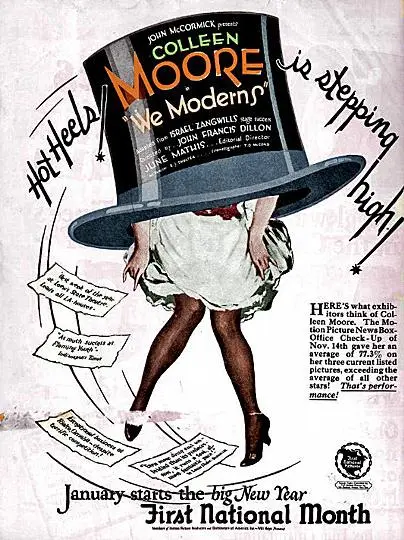
A definitive 4.2/10 rating for a film that redefined the boundaries of cult cinema. We Moderns remains a cornerstone of transgressive art.
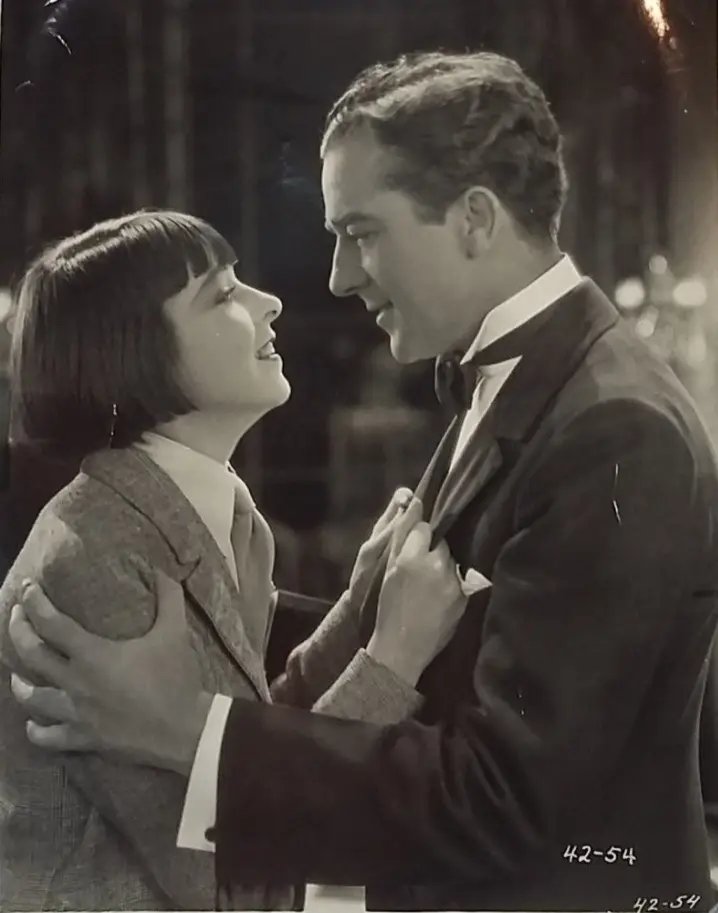
In the annals of cinematic history, certain films serve not merely as entertainment but as vital cultural artifacts, encapsulating the zeitgeist of their era with remarkable precision. We Moderns, a compelling cinematic offering from an age defined by seismic social shifts, stands as one such indelible testament. It plunges viewers headfirst into the tumultuous landscape of 1920s Britain, a society caught in the exhilarating, yet often disorienting, throes of modernity. At its core lies the vibrant, defiant spirit of a young British flapper, a character who, with every spirited gesture and rebellious choice, embodies the profound schism between entrenched Victorian morality and the burgeoning, audacious freedoms of the Jazz Age. This film doesn't just narrate a story; it dissects a pivotal moment in social evolution, charting the precarious path of individual liberation against the formidable backdrop of familial expectation and societal convention.
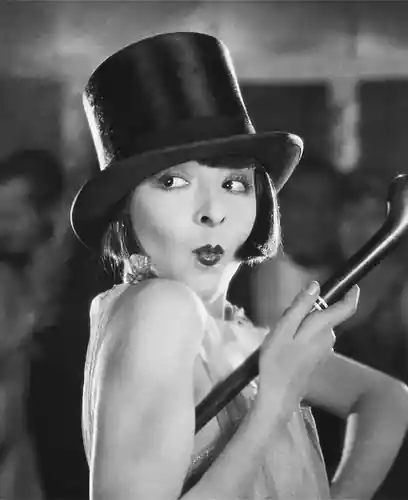
Our protagonist, a spirited young woman whose very essence seems to vibrate with the restless energy of the new decade, finds herself inextricably bound by the anachronistic views of her parents. Their world, rooted in a bygone era of decorum and predictability, clashes dramatically with her burgeoning desire for autonomy and self-expression. This isn't merely a generational spat; it's a fundamental conflict of philosophies, a microcosm of the larger societal upheaval occurring across the Western world. She yearns to shed the stifling corsets of convention, both literal and metaphorical, and to embrace a life defined by personal choice rather than inherited dictate. Her rebellion isn't born of malice but of an inherent need to carve out an identity distinct from the one prescribed for her. This internal struggle, expertly conveyed through the narrative, resonates deeply even today, speaking to the universal quest for individual authenticity.
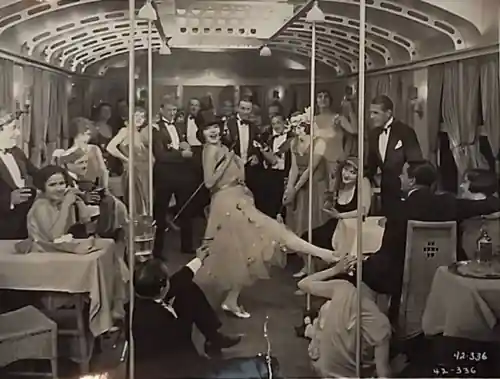
The film's strength lies in its nuanced portrayal of Mary's predicament. She isn't simply a caricature of youthful petulance; her desires are complex, her impulses understandable. She is attracted, on one hand, to the steadfast and honorable engineer, John. He represents stability, hard work, and a conventional future, a path that her parents undoubtedly endorse and perhaps even subtly push her towards. John embodies the virtues of the old world, albeit with a modern, practical edge. His affection is genuine, his intentions pure, promising a life of quiet contentment and unwavering support. Yet, Mary, caught in the intoxicating whirlwind of the Roaring Twenties, finds herself increasingly drawn to a starkly different kind of allure: the enigmatic and dangerously charming writer, Oscar.
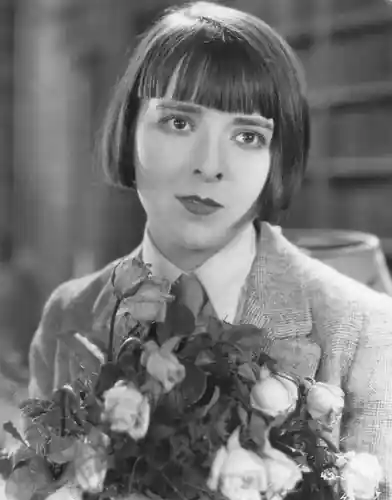
Oscar, married and ostensibly beyond reach, represents everything her parents would decry: an intellectual bohemian, a purveyor of "modern" ideas, and, crucially, a forbidden fruit. He offers not stability, but excitement; not security, but the thrill of transgression. His world is one of
IMDb —
1924
Community
Log in to comment.