DbcultAccessing Vault...
6.1/10
Senior Film Conservator
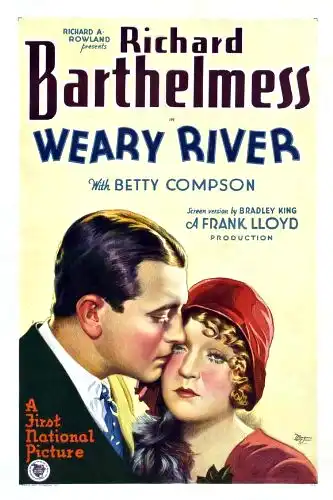
A definitive 6.1/10 rating for a film that redefined the boundaries of cult cinema. Weary River remains a cornerstone of transgressive art.
If you've got a soft spot for those old movies where the actors look like they're wearing a gallon of greasepaint, you should probably check out Weary River. It is definitely worth a watch if you like seeing how movies first started to talk and sing, though people who need fast action will probably find it way too slow. 🎹
I sat down with this one late at night, and honestly, it’s got a vibe that really sticks with you. It’s not a perfect movie by any means, but it has this raw, honest heart that you don't see much anymore.
Richard Barthelmess plays Jerry Larrabee, a mobster who is just a bit too cool for his own good. He’s got these huge, soulful eyes that make him look like he’s about to cry even when he’s being a tough guy.
The story starts with Jerry getting set up by a rival named Spadoni. It’s a classic betrayal, the kind that makes you want to yell at the screen because it's so obvious. 📺
When he gets to prison, the movie takes a weirdly soft turn. Usually, prison movies are all about mean guards and shivs, but here the Warden is actually a really nice guy.
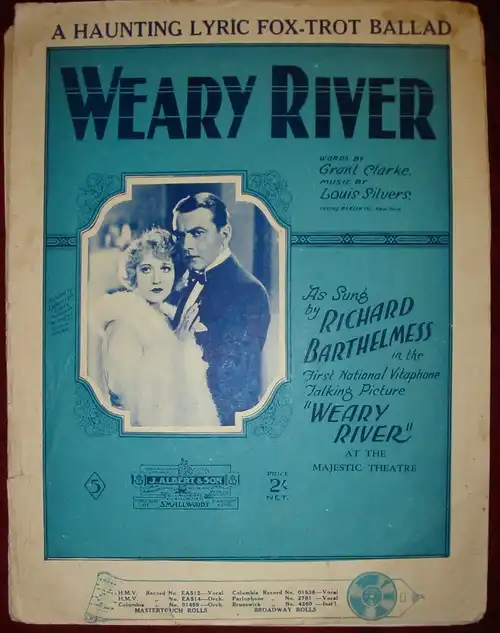
The Warden encourages Jerry to take up music, which feels a bit like something out of a Sunday school story. Jerry sits at this old piano and starts playing, and the whole mood of the film shifts. ✨
There is this one scene where he’s playing in the prison chapel and the light is hitting the dust motes in the air. It’s a really quiet, beautiful moment that feels almost like a dream.
The song he sings, "Weary River," is actually pretty catchy in a haunting way. I found myself humming it for about three hours after the movie ended, which was kind of annoying but also impressive.
One thing that’s funny is how obvious it is that Barthelmess isn't actually singing. The voice that comes out of his mouth sounds nothing like him, and the lip-syncing is just a tiny bit off.
It’s like watching someone try to whistle while their mouth is full of crackers. But somehow, it doesn't ruin the scene; it just makes it feel more like a stage play. 🎭
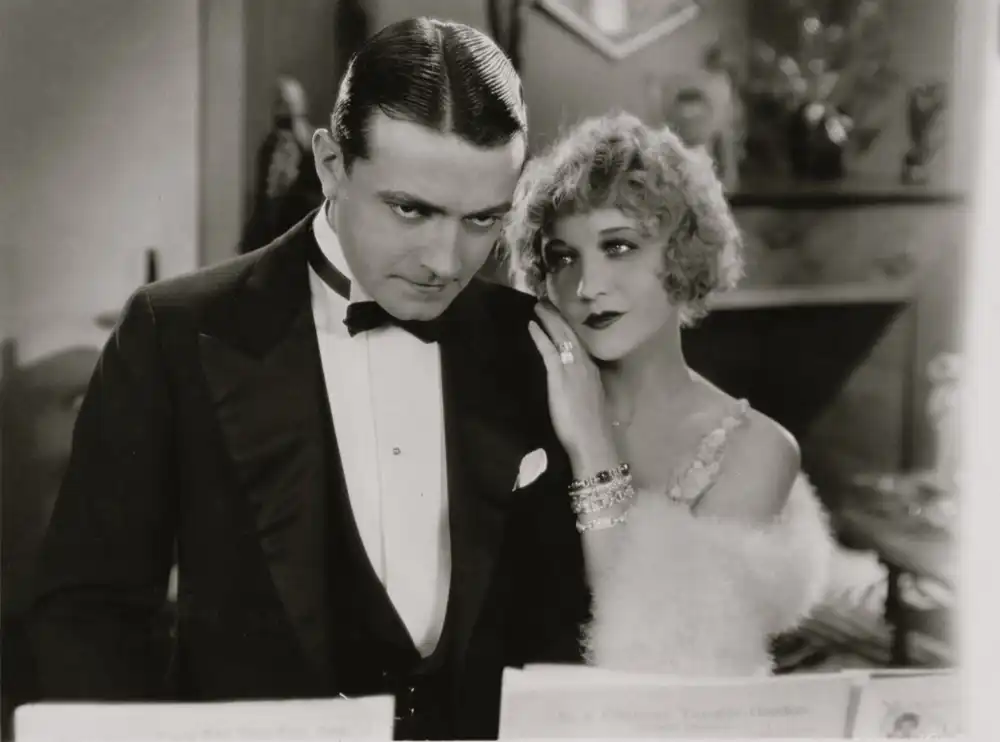
Alice, played by Betty Compson, is the girl who waits for him. She’s got that classic 1920s look—the bobbed hair and the thin eyebrows that make her look constantly surprised.
Her loyalty is pretty intense. She sticks by him even when he’s a convict and then later when he’s struggling to make it as a singer on the radio.
The middle part of the movie focuses a lot on his radio career. He becomes this mysterious star called "The Master's Voice," and people all over the country tune in to hear him moan about his weary life.
There are these shots of people sitting around their massive wooden radios, looking very serious. It’s a cool look at how much radio meant to people back then, almost like how we are with our phones now. 📻
I noticed the sets in the radio station look a bit flimsy, like you could knock over a wall if you sneezed too hard. It adds to that handmade feeling that these early talkies always have.
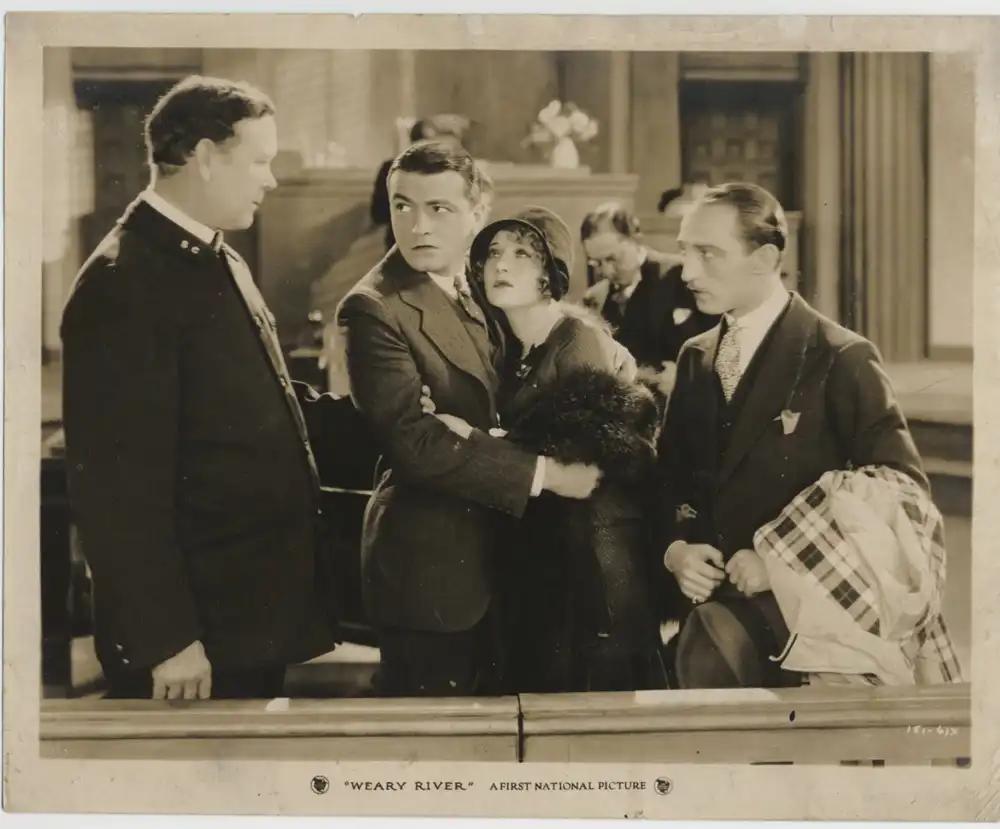
The conflict comes back when Jerry gets out and the old gang wants him to do one last job. It’s the same old trope, but Barthelmess plays the inner struggle really well with just his face.
He has this way of looking at his hands like he’s not sure if they belong on a piano or a pistol. It’s a bit dramatic, sure, but it feels real in the moment.
The climax happens in this dark room where everyone is whispering and holding guns. The tension is actually pretty high, even though the sound quality is a bit scratchy and muffled.
There’s a moment where a character walks across a room and the floorboards creak so loud it sounds like a gunshot. I don't know if that was intentional or just the old microphones being too sensitive, but it made me jump. 💥
Compared to something like The Testing Block, this movie feels much more modern because of the music. But it still has that stiff pacing that makes it feel like it’s frozen in time.
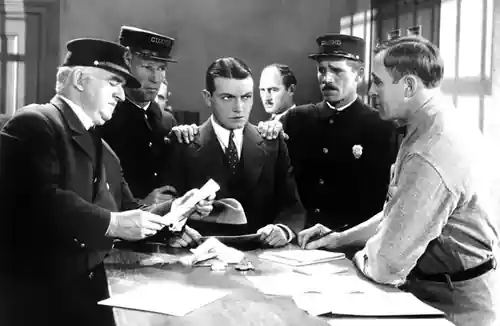
The ending is a little bit rushed, if I’m being honest. Everything gets wrapped up in a neat little bow that feels a bit too easy after all that suffering.
I would have liked to see a bit more of the fallout between him and Spadoni. It felt like they built up this big rivalry and then just let it fizzle out at the very end.
Still, the final shot of the movie is quite sweet. It leaves you feeling like maybe things actually will be okay for Jerry and Alice.
If you’ve seen The New Commandment, you might recognize some of the same dramatic flourishes. This era of filmmaking was really into big emotions and grand gestures.
I also kept thinking about Love 'Em and Weep, mostly because the outfits are so similar. The fashion in 1929 was really something else—lots of heavy coats and very specific hats. 🎩
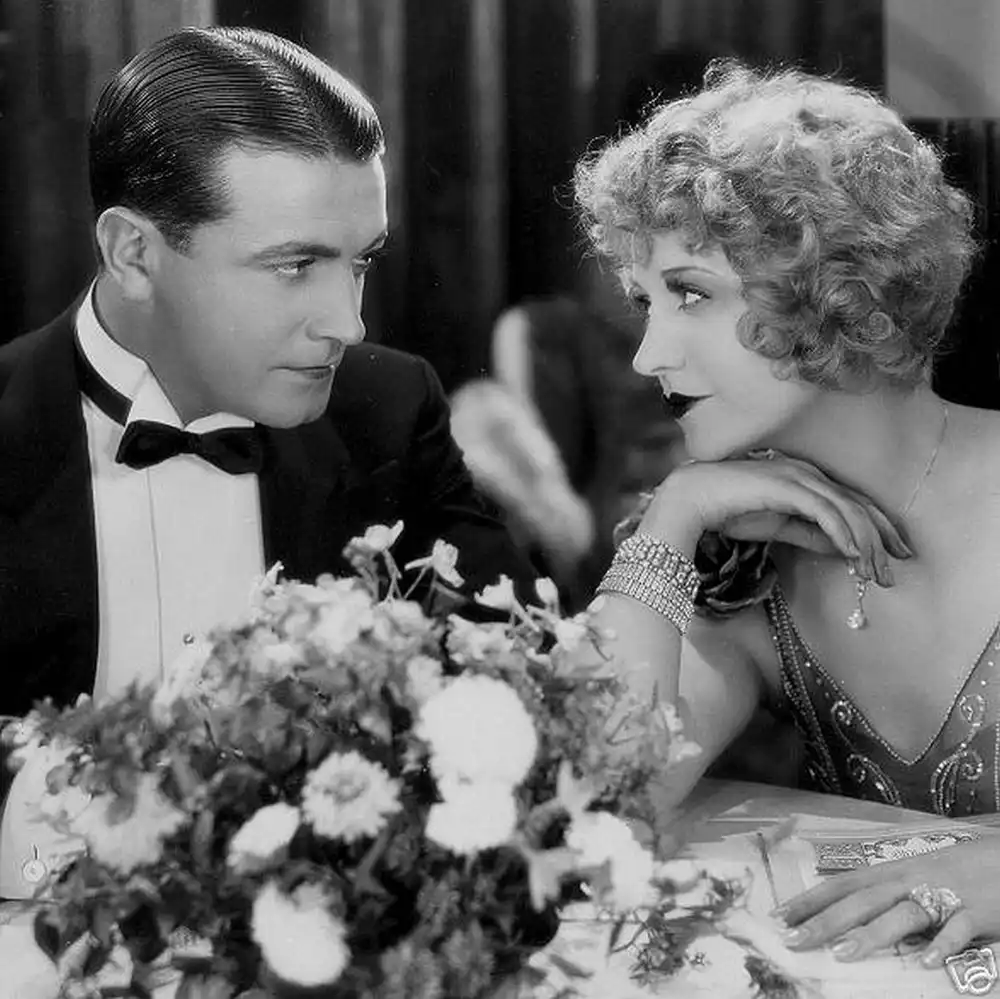
The cinematography is mostly just the camera sitting still and watching people talk. Every once in a while, it moves a little bit, and it feels like a big event when it does.
There’s a bit of a grainy texture to the film that I really love. It makes the whole thing feel like an old memory that’s slightly fading around the edges.
I think my favorite part was just the small details. Like the way Jerry smokes a cigarette—it’s very deliberate and cool, even when he’s miserable.
Or the way the prison bars cast these long, jagged shadows across the floor. It’s simple stuff, but it works to set the mood perfectly. 🌑
Is it a masterpiece? Probably not. It’s a bit clunky and the transition between silent and sound scenes is pretty jarring sometimes.
But it’s a movie with a soul. It’s trying to say something about how art can change a person, even if that person is a hardened criminal.
I’d say give it a chance if you have ninety minutes and a quiet house. It’s a nice way to spend an evening, especially if you like a bit of melancholy with your crime stories.
Just don’t expect a high-octane thriller. This is a movie that moves at the speed of a river—slow, steady, and a little bit weary. 🌊
It definitely made me appreciate how far movies have come. But it also made me miss that weird, experimental energy of the late 1920s.
Oh, and look out for the scene where he first hears the radio in prison. The look on his face is just pure gold.
IMDb 7
1934
Community
Log in to comment.