DbcultAccessing Vault...
Cult Review
Senior Film Conservator
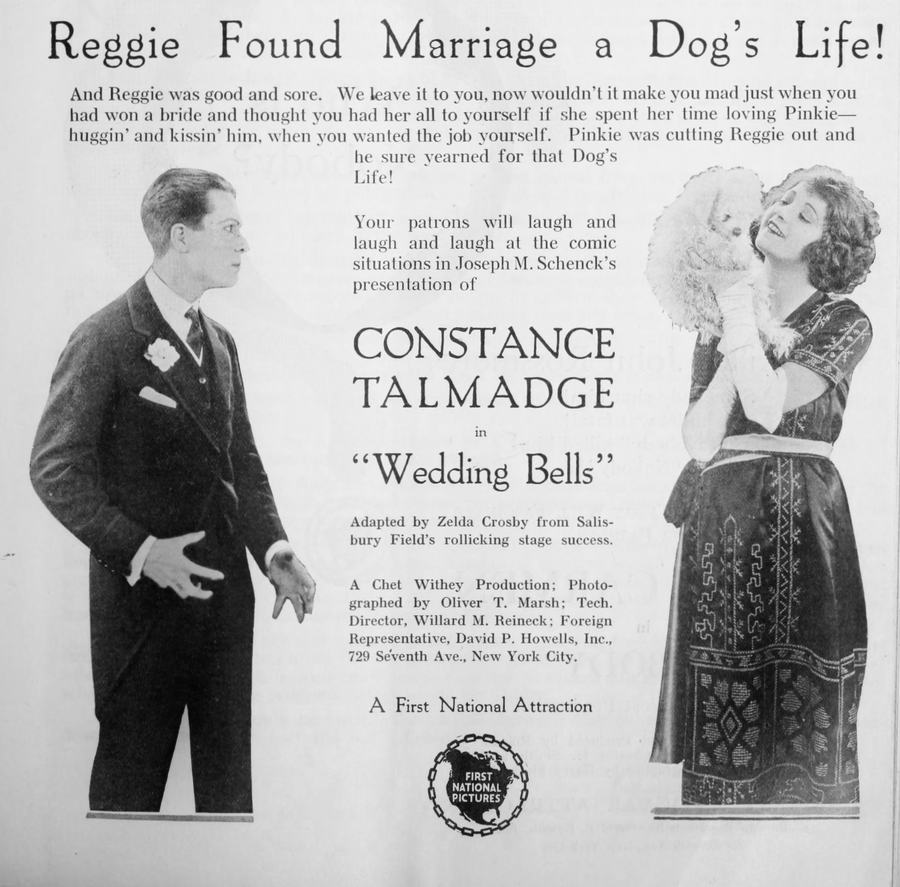
Wedding Bells, a 1925 cinematic gem, is a masterclass in emotional storytelling, weaving a tale of love’s impermanence and the societal pressures that fracture it. This film, written by Salisbury Field and Zelda Crosby, is steeped in the conventions of early 20th-century melodrama but transcends its genre through its psychological depth and stellar performances.
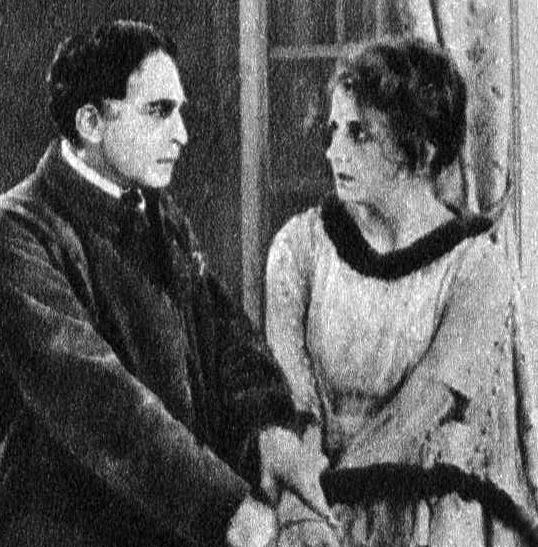
The narrative centers on Rosalie (Polly Bailey) and Reginald (Frank Honda), whose whirlwind romance begins in the glittering enclave of Palm Beach, Florida. Their union, though initially idyllic, is undone by a trifecta of misunderstandings, a bout of measles, and the corrosive influence of wealth. The decision to seek a divorce in Reno—a city synonymous with quickie dissolutions—marks the first of Rosalie’s pivotal choices. A year later, her world is upended when she discovers Reginald engaged to the cunning Marcia Hunter (Ida Darling), a woman whose motives are as transparent as they are unscrupulous.
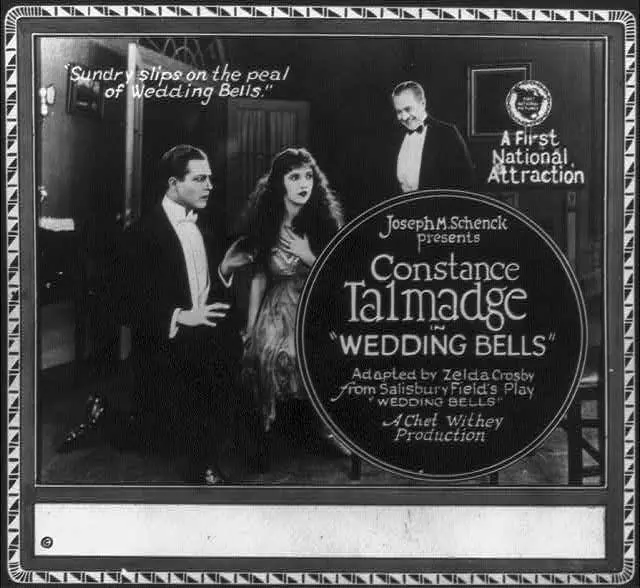
What follows is a taut, suspenseful sequence as Rosalie navigates the treacherous waters of self-doubt and social judgment. Her attempts to win Reginald back are thwarted by a gallery of antagonists: Mrs. Hunter’s manipulative machinations, a poetic rival (Dallas Welford) whose verses mask romantic longing, and a vengeful former admirer (William Roselle). The film’s most gripping moment arrives when Rosalie intercepts the Hunters’ wedding by dispatching a critical note to the officiating bishop, a stroke of ingenuity that underscores her resilience.
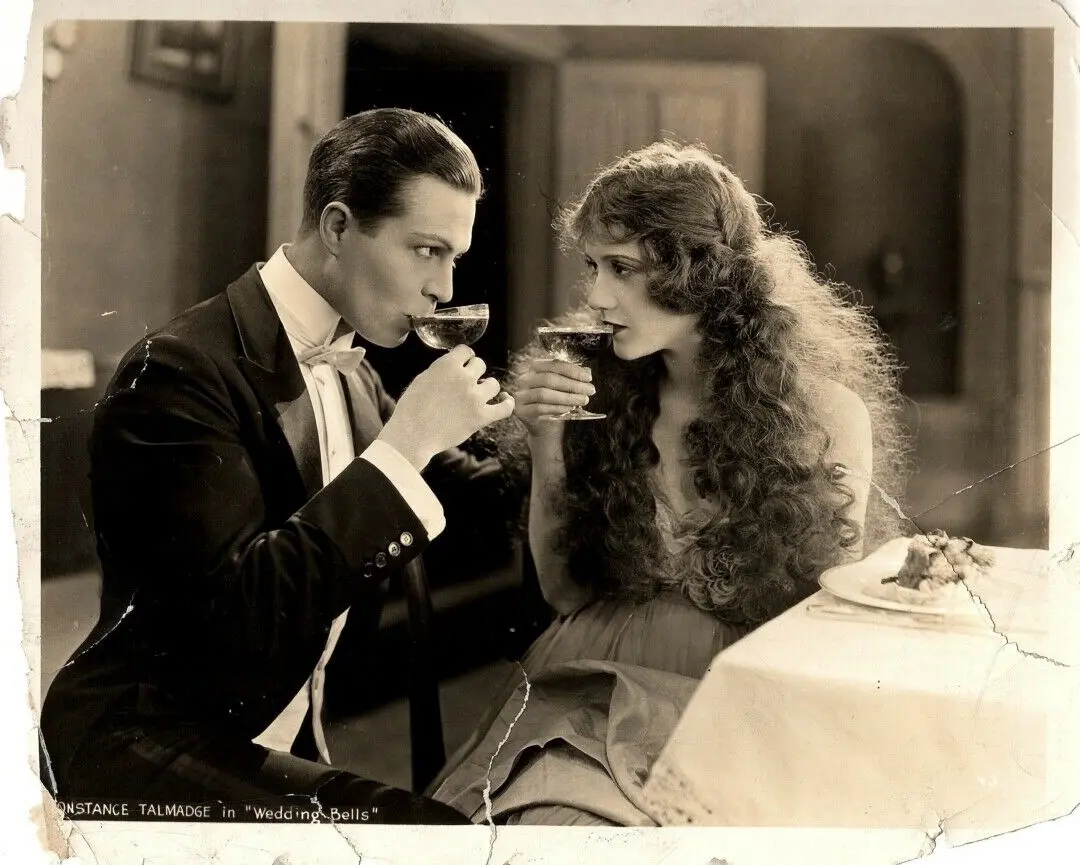
The chemistry between Bailey and Honda is electric, their performances capturing the bittersweet cadence of a love that must contend with its own flaws. Ida Darling’s portrayal of Mrs. Hunter is a standout, blending charm with a venomous undercurrent that makes her a formidable adversary. The supporting cast, including Emily Chichester as a sympathetic confidante and James Harrison as a bemused clergyman, adds texture to the film’s moral landscape.
Visually, Wedding Bells is a feast of contrasts. The languid, sun-dappled scenes of Palm Beach give way to the stark, utilitarian aesthetics of Reno, mirroring the protagonists’ emotional journey from passion to disillusionment. The filmmakers employ a restrained yet effective use of camera movement, with lingering close-ups that amplify the emotional stakes. The score, though modest, complements the narrative’s ebb and flow with melancholic motifs that linger in the mind.
Thematically, the film is a meditation on the performative nature of marriage in a society obsessed with status. Reginald’s entanglement with Marcia is less a romantic union than a transactional alliance, a point underscored by the Hunters’ gilded social events that feel more like press conferences than celebrations. Rosalie’s arc, meanwhile, is one of quiet empowerment. Her decision to reclaim her identity—both as a wife and an individual—resonates with a feminism that feels ahead of its time.
Comparisons to other works of the era are inevitable. Like Fool’s Gold here, Wedding Bells uses romantic entanglements to critique class hypocrisy, though its tone is more introspective than satirical. The film’s emphasis on personal redemption aligns it with the moral complexity of Redemption here, where characters must confront their own complicity in their misfortunes. Yet, Wedding Bells distinguishes itself with its focus on the quieter heroism of ordinary women, a theme that would later dominate in The Legacy of Happiness here.
The film’s pacing is occasionally uneven, particularly in the second act where the subplot involving the poet (Dallas Welford) feels underdeveloped. However, these minor lapses are mitigated by the film’s emotional core. The final act, in which Rosalie’s note to the bishop arrives like a dagger through the veil of social propriety, is a triumph of narrative efficiency. It is here that the film’s central thesis crystallizes: love, when tested by adversity, can be both a prison and a salvation.
In conclusion, Wedding Bells is a testament to the enduring power of cinema to articulate the complexities of human emotion. Its exploration of marriage as both a social contract and a personal journey remains startlingly relevant. For those seeking a film that balances heartache with hope, this 1925 masterpiece is an essential watch. It is a story where the stakes are high, the characters are flawed, and the resolution feels earned—a rare achievement in the annals of early Hollywood.
IMDb 6.5
1918
Community
Log in to comment.