DbcultAccessing Vault...
Cult Review
Senior Film Conservator
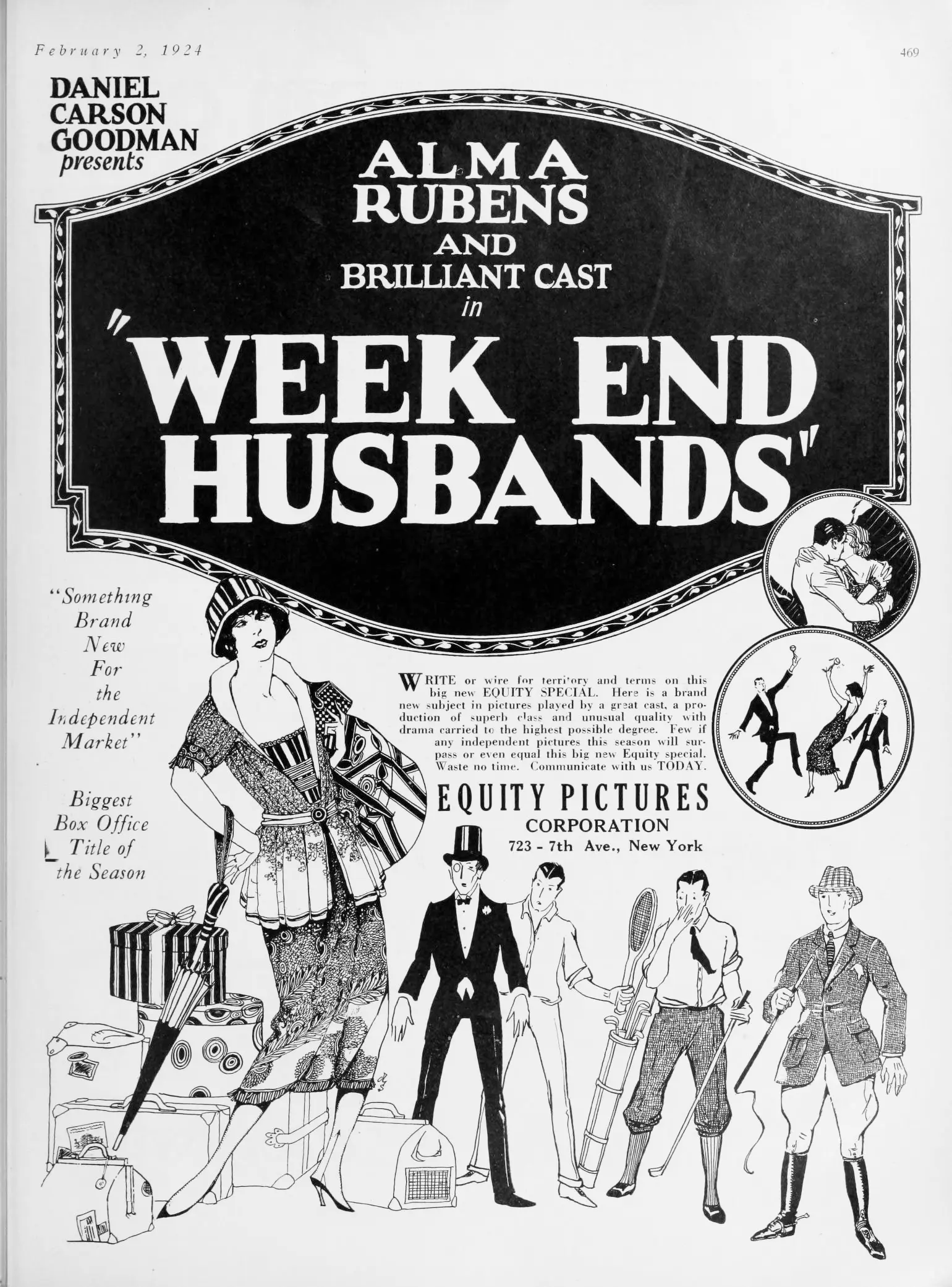
In the silent film Week End Husbands, a complex tale of love, deception, and ultimate redemption unfolds. The story centers around William Randall, a man who turns to bootlegging to finance his wife Barbara's lavish lifestyle. This decision restricts his freedom, allowing him to be with his family only on weekends.
The narrative adeptly explores the themes of indulgence and the consequences of deception. Randall's life as a bootlegger is juxtaposed with Barbara's carefree existence at fashionable resorts, where she is influenced by a jazz set. Despite her seemingly flirtatious nature with other men, Barbara remains faithful to her husband. A near-fatal canoeing accident, in which their canoe is struck by a yacht, serves as a pivotal moment in the film. However, it is not the accident itself but the malicious gossip spread by resort-goers that convinces Randall of Barbara's infidelity.
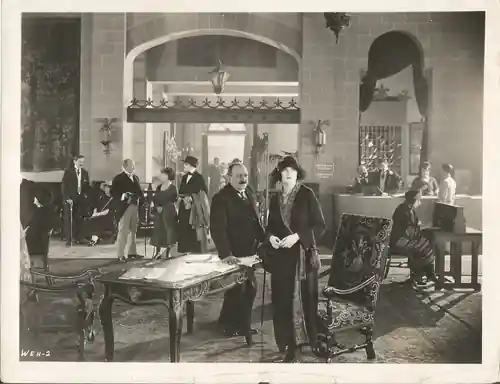
The film's portrayal of societal pressures and the destructive nature of unchecked rumors is both thought-provoking and engaging. Convinced of her infidelity, Randall leaves Barbara, who then travels to Paris. The Federal agents' pursuit of Randall leads to his arrest and subsequent release on bail. In a dramatic turn of events, Randall rushes to Paris, only to find Barbara on the verge of death from poisoning. This poignant moment serves as the climax of the film, showcasing the depth of their love and the redemptive power of forgiveness.
The performances of the cast, including Margaret Dale and Charles Byer, bring depth and emotion to the story. The direction and writing, courtesy of Daniel Carson Goodman, skillfully weave the intricate plot together, creating a film that is both a commentary on the societal norms of the time and a timeless tale of love and redemption.
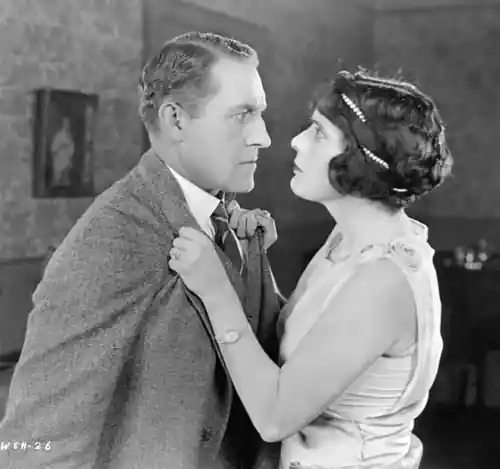
In comparison to other films of its era, Week End Husbands shares thematic elements with Beasts of Paradise and Are You a Mason?, though its focus on the complexities of marital relationships and the consequences of deception sets it apart. The film's exploration of the darker aspects of human nature and the ultimate triumph of love over adversity makes it a compelling watch.
The cinematography and production quality of Week End Husbands are noteworthy, capturing the opulence of the resorts and the tension between the characters. The film's score, though silent, effectively complements the on-screen drama, enhancing the emotional impact of key scenes.
In conclusion, Week End Husbands is a captivating film that delves into the complexities of relationships, the destructive power of gossip, and the redemptive nature of love. Its intricate plot, combined with strong performances and thought-provoking themes, make it a must-watch for fans of silent cinema and those interested in the evolution of film storytelling.
For those interested in exploring more films from this era, Those Who Pay and Höhenluft offer interesting comparisons in terms of thematic elements and storytelling techniques. However, Week End Husbands stands out for its unique blend of drama, romance, and social commentary, making it a valuable addition to the canon of silent films.
IMDb 7
1932
Community
Log in to comment.