DbcultAccessing Vault...
Cult Review
Senior Film Conservator
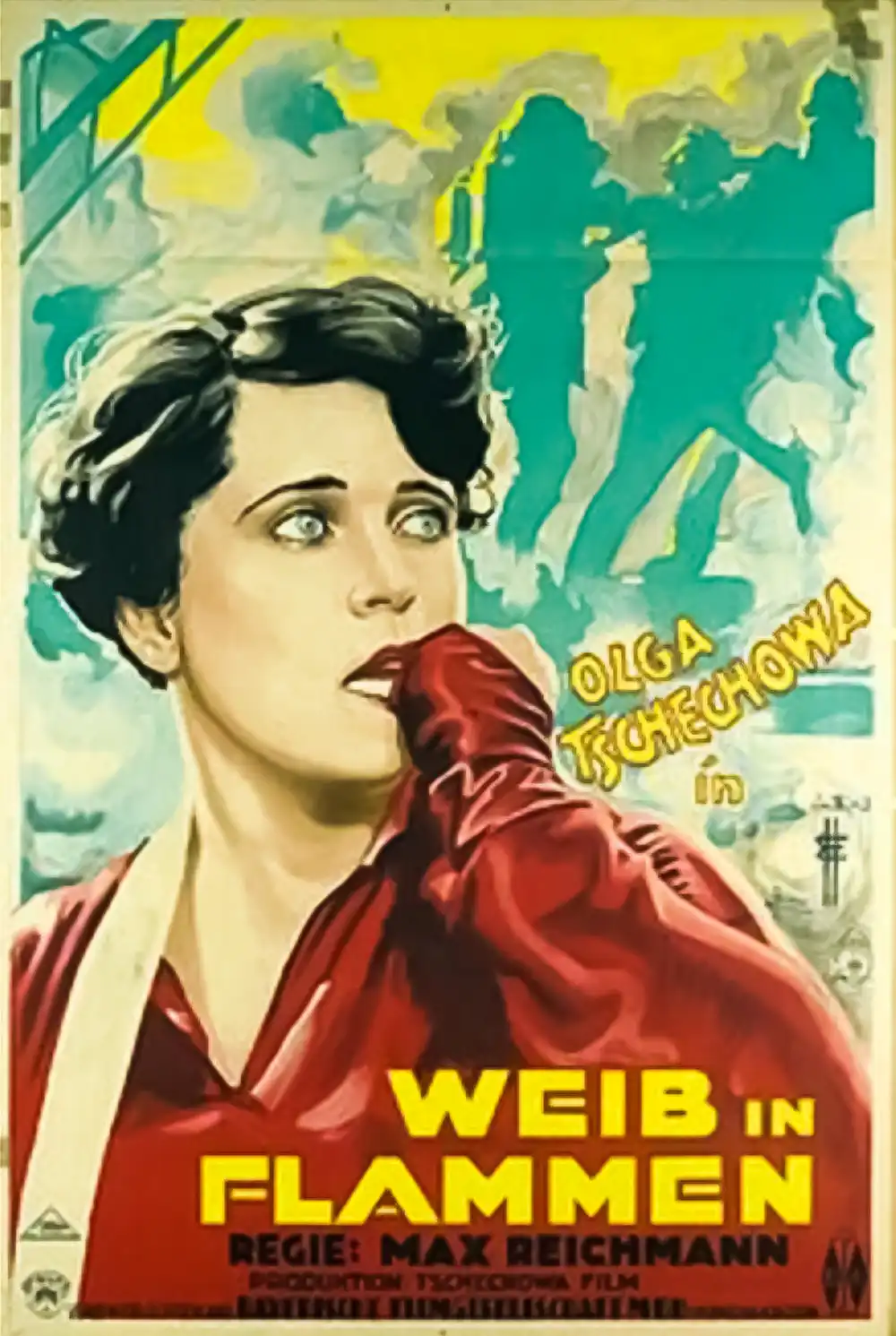
If you are looking for something high-octane because the title translates to 'Woman in Flames,' you should probably lower your expectations right now. This isn't an action movie. It’s a 1928 silent drama that is mostly interested in how a very wealthy woman can ruin her life by being slightly bored. It is worth watching if you have a thing for Weimar-era production design or if you just want to see Olga Tschechowa look incredibly stressed for ninety minutes. If you find silent films where people stare at letters for three minutes straight unbearable, give this one a wide berth.
The movie starts with a lot of heavy atmosphere. Tschechowa plays the Countess, and she has this way of moving through her house like she’s afraid she might break the furniture. Everything is very stiff. Her husband is played by an actor who seems to have been told to stand as still as a statue in every single shot. There is a dinner scene early on where the silence of the silent film feels literal—you can almost hear the soup spoons hitting the porcelain. It’s awkward. It’s supposed to show us she’s trapped, but it mostly just made me feel bad for the extras who had to sit there and pretend to eat cold prop food.
Then Arthur Pusey shows up. He’s the 'other man,' and honestly, I didn't see the appeal. He has this very tight, high collar that looks like it’s choking him throughout the entire film. His acting style is very much of the 'clutch your chest and lean against a wall' school. There’s a moment in a garden where they meet, and the editing gets a bit jumpy. One second they are standing three feet apart, and the next, after a very abrupt cut, she’s practically crying into his shoulder. It felt like a few frames were lost or the director just got tired of waiting for them to walk toward each other.
I found myself distracted by the costumes. Tschechowa wears this one hat in the middle of the film that is so large it nearly obscures the person she’s talking to. It’s fascinating in a weird way. You start watching the feathers on her head move instead of listening to the title cards. It reminds me a bit of the over-the-top styling in The Perfect Flapper, though that was a completely different vibe. Here, the clothes feel heavy, like they’re part of the tragedy.
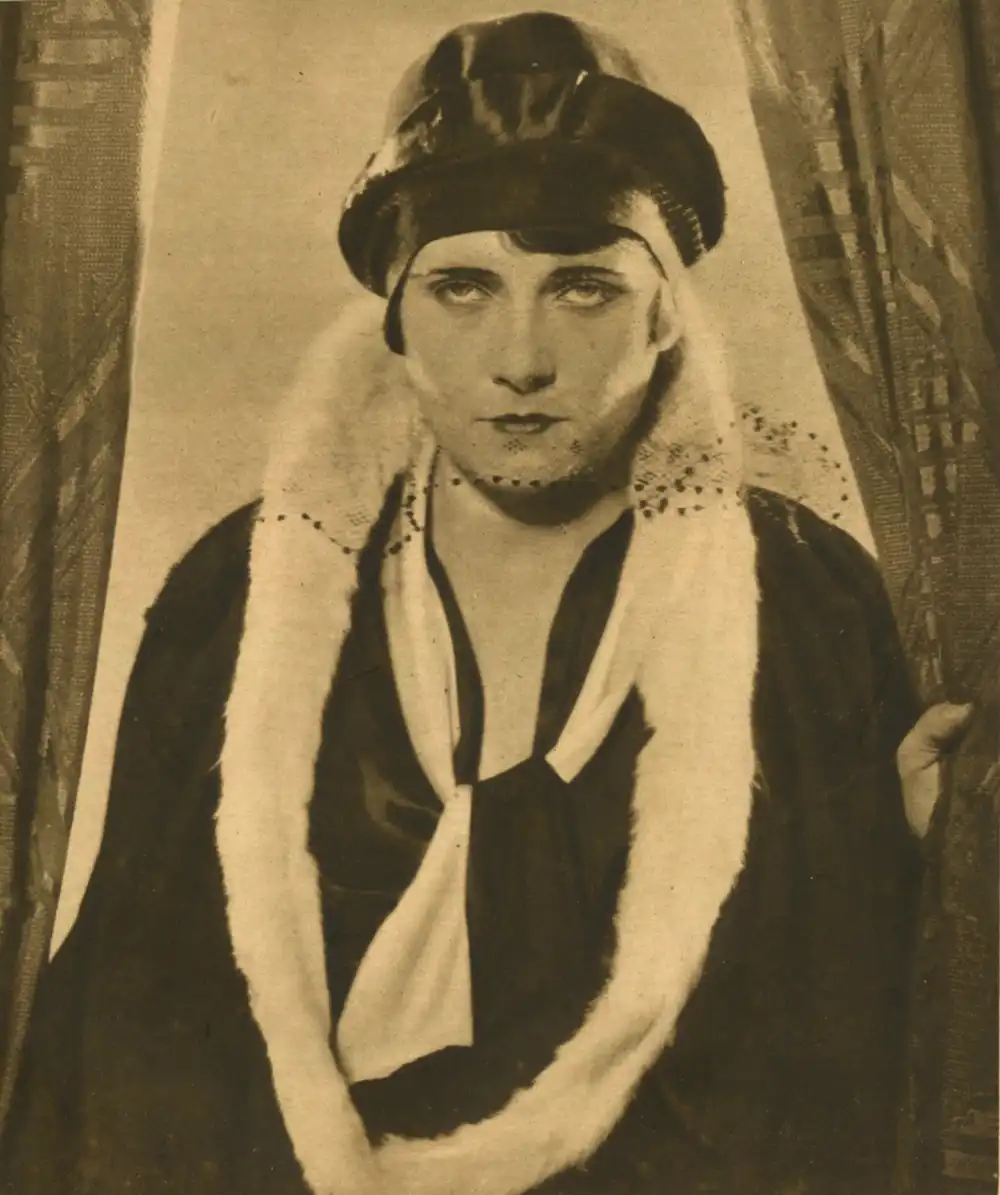
Hans Albers is in this, too. He’s not the lead, but the movie gets about 20% more interesting whenever he’s on screen. He has this natural, slightly arrogant way of moving that makes everyone else look like they’re rehearsing for a school play. There’s a scene in a club or a bar—the lighting is a bit too muddy to tell exactly where they are—and Albers just leans against a pillar and smokes, and it’s the most convincing thing in the whole movie. He doesn't have to do the big silent-movie 'Acting' with a capital A.
The pacing is where things really start to wobble. About an hour in, the plot just sort of circles the drain. There are a lot of shots of people walking into rooms, sitting down, looking at a clock, and then standing up again. I get that it’s about the passage of time and the weight of her guilt, but it starts to feel like the movie is stalling. It lacks the tighter narrative grip you see in something like At the Mercy of Men. By the time the actual drama hits the fan, I was more interested in a strange smudge on the wall in the background of the Countess’s bedroom than I was in her social ruin.
There is one shot that actually worked for me, though. It’s a close-up of Tschechowa’s hands as she’s taking off her jewelry. The way she fumbles with a necklace—it’s not graceful. It feels real. It’s one of those tiny moments where the 'movie acting' drops away and you see a person who is actually tired. It’s much more effective than the scenes where she has to throw her arms up and look at the ceiling to show she’s miserable.
The ending feels rushed. After all that slow, agonizing build-up, the resolution happens in what feels like five minutes. It’s like the production ran out of film or the lights in the studio needed to be turned off. One title card does a lot of heavy lifting to explain away the consequences of everything we just watched. It’s a bit of a letdown, but then again, a lot of these late-20s melodramas didn't really know how to quit while they were ahead.
Is it a masterpiece? No. It’s a bit clunky, the male lead is a bit of a vacuum, and the pacing is all over the place. But if you like looking at the textures of the past—the way lace looks on 35mm, the weird way people used to hold their cigarettes, the sheer drama of a well-placed shadow—it’s a decent way to spend an afternoon. Just don't expect to be 'on fire' by the end of it.
IMDb 6.1
1936
Community
Log in to comment.