DbcultAccessing Vault...
Cult Review
Senior Film Conservator
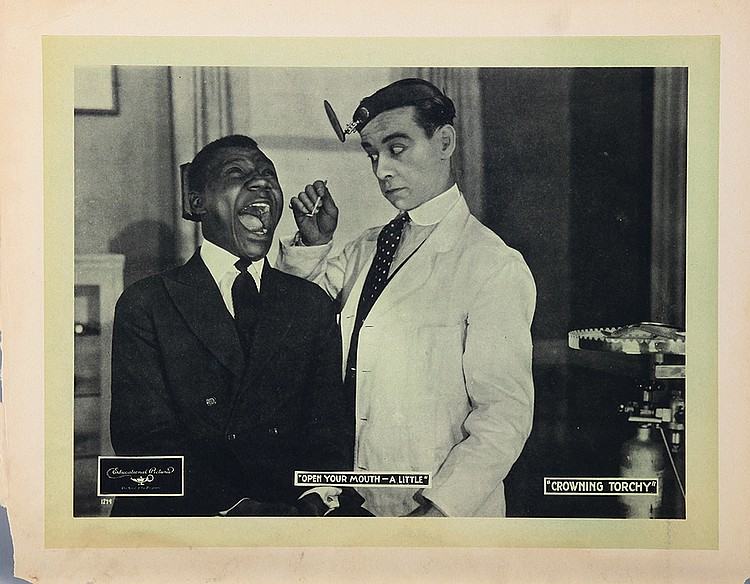
Stepping back into the flickering glow of early 20th-century cinema, one encounters a myriad of narratives, some grand and epic, others intimately scaled and brimming with understated charm. 'Crowning Torchy,' a largely unsung gem from the silent era, stands firmly in the latter category, offering a delightful blend of comedic escapism and surprisingly nuanced character study. While many silent films sought to impress with dramatic spectacle or profound moralizing, this particular picture, under the creative stewardship of writers Raymond L. Schrock and Sewell Ford, opts for a more delicate approach, weaving a tale of mistaken identity and provincial charm that resonates with an infectious lightheartedness. It is a testament to the era's storytelling prowess, demonstrating that even without spoken dialogue, a compelling narrative, rich with humor and heart, could captivate audiences.
At the heart of 'Crowning Torchy' lies the inimitable Johnny Hines, an actor whose screen persona often embodied the plucky, resourceful urbanite navigating life's absurdities with a mischievous grin and an unshakeable optimism. Here, as the titular Torchy, Hines delivers a performance that is both physically agile and emotionally expressive, perfectly suited to the demands of silent comedy. His Torchy is not merely a schemer, but a survivor, a young man whose quick wit is born more of necessity than malice. When he finds himself inadvertently crowned 'Harvest King' in a quaint, tradition-bound village, Hines masterfully conveys the character’s initial bewilderment, rapidly transitioning into a comical embrace of his newfound, albeit fraudulent, status. His facial expressions, a symphony of raised eyebrows, knowing glances, and broad, disarming smiles, communicate volumes, allowing the audience to empathize with his predicament even as they delight in his antics. It’s a performance that recalls the understated comedic genius seen in films like Trouble Makers, where character-driven humor takes precedence over slapstick, though Hines imbues Torchy with a unique blend of vulnerability and charm that sets him apart.
The film's setting is a character in itself: a bucolic, somewhat anachronistic village seemingly untouched by the rapid modernization of the early 20th century. This deliberate contrast between Torchy's urban savvy and the village's quaint naiveté forms the bedrock of much of the film's humor. The annual Harvest Festival, with its earnest rituals and fervent devotion to tradition, provides a richly textured backdrop against which Torchy's deception unfolds. The cinematography, while perhaps not groundbreaking for its time, effectively captures the rustic charm of the locale, utilizing wide shots to establish the community's insular nature and closer frames to highlight the villagers' earnest, often comically exaggerated, reactions to Torchy's presence. There's a certain visual poetry in the depiction of the pumpkin judging, the folk dances, and the general celebratory atmosphere, all of which serve to heighten the stakes for our protagonist as he struggles to maintain his facade amidst such genuine, if misguided, admiration.
No good comedy of errors is complete without a formidable, yet ultimately bumbling, antagonist, and Edward Scanlon delivers precisely that as Silas Grimshaw. Grimshaw is the quintessential village busybody, a man whose self-importance far outweighs his actual authority. Scanlon's portrayal is a masterclass in comedic indignation; his scowls, his huffs, and his exasperated gestures are all perfectly calibrated to elicit chuckles from the audience. He embodies the forces of rigid tradition and petty jealousy, serving as the perfect foil to Torchy's adaptable charm. Grimshaw’s every attempt to expose Torchy, or to assert his own supposed superiority, backfires spectacularly, creating some of the film's most memorable moments. His character, while outwardly antagonistic, is never truly menacing, instead functioning as a necessary catalyst for Torchy's increasingly elaborate improvisations. It's a performance that echoes the effectiveness of supporting roles in films like Partners Three, where secondary characters are vital in propelling the central narrative and enhancing the comedic elements.
'Crowning Torchy' delves into surprisingly pertinent themes, particularly the fluidity of identity and the allure of aspiration. Torchy, a man of humble origins, finds himself suddenly elevated to a position of respect and admiration, albeit under false pretenses. This narrative arc forces both the character and the audience to ponder the nature of authenticity. Is Torchy's 'kingship' entirely fraudulent if he genuinely brings joy and a sense of excitement to the villagers? Or does the eventual revelation of his true identity diminish the genuine connections he might have forged? The film subtly suggests that while deception can offer temporary rewards, true fulfillment often comes from embracing one's authentic self. This thematic depth elevates 'Crowning Torchy' beyond mere slapstick, aligning it with more introspective silent narratives that explore human nature, albeit with a lighter touch than, say, the more dramatic explorations of self-discovery found in Rebuilding Broken Lives or the psychological complexities of The Sleep of Cyma Roget.
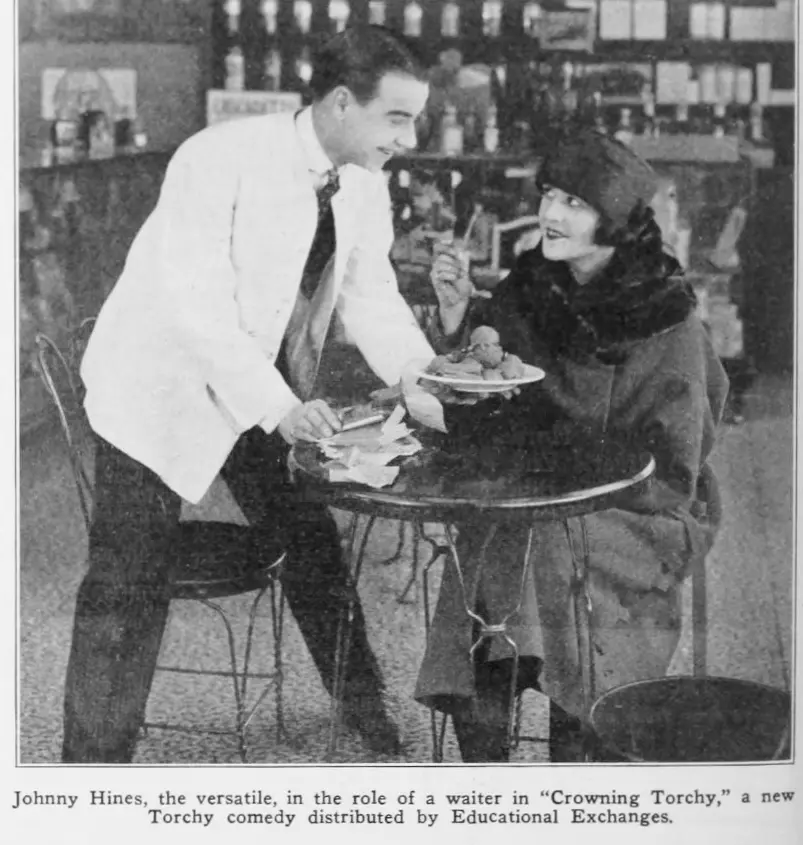
Raymond L. Schrock and Sewell Ford, the creative minds behind the screenplay, demonstrate a keen understanding of comedic timing and narrative construction. The plot, while straightforward, is meticulously crafted, building one misunderstanding upon another with a snowballing effect that keeps the audience thoroughly engaged. The intertitles, crucial in silent cinema for conveying dialogue and exposition, are witty and concise, never overstaying their welcome and always advancing the story or enhancing the humor. They provide just enough information to keep the plot moving, allowing the actors' performances and visual gags to carry the bulk of the storytelling. The writers cleverly weave in moments of genuine sentimentality, particularly in Torchy's interactions with the local maiden, adding a layer of romantic interest that grounds the comedic chaos. This balance between humor and heart is a hallmark of well-executed silent comedies, reminiscent of the narrative dexterity found in films like Love, albeit with a more overtly comedic bent.
While specific directorial credits for many silent films can sometimes be obscured by the collaborative nature of early studio systems, the execution of 'Crowning Torchy' suggests a firm guiding hand. The pacing is exemplary, particularly for a feature-length silent film, avoiding the common pitfall of lagging in the middle acts. Scenes transition smoothly, and the comedic beats land with precision. The use of parallel editing effectively builds suspense as the real botanist's arrival draws nearer, contrasting his journey with Torchy's increasingly precarious position. The visual gags are inventive and well-staged, relying on clever setups and payoffs rather than mere physical exaggeration. The film demonstrates an astute awareness of its audience, knowing when to accelerate the action for maximum comedic effect and when to slow down for a moment of character development or emotional resonance. This careful calibration is what gives 'Crowning Torchy' its lasting appeal, distinguishing it from less polished contemporaries.
'Crowning Torchy,' released during a period of significant social and technological upheaval, offers a charming snapshot of its time. The contrast between urban and rural life, a recurring motif in early American cinema, is explored here with a gentle humor that avoids condescension. It reflects a societal fascination with identity and social mobility, themes that continued to resonate throughout the roaring twenties. The film's lighthearted take on deception, where the stakes are primarily social embarrassment rather than moral condemnation (as might be seen in the more severe narratives of The Evil Thereof or He Loved Like He Lied), speaks to a certain innocence characteristic of the era's popular entertainment. Even today, the film's core message about the value of authenticity and the folly of pretense remains remarkably relevant, making it more than just a historical curiosity but a truly engaging piece of cinematic art.
It's impossible to discuss any silent film without acknowledging the crucial, albeit often unseen, role of its musical accompaniment. While we can only speculate about the original scores that would have accompanied 'Crowning Torchy' in its initial theatrical runs, it's clear that a well-composed soundtrack would have amplified its comedic beats and emotional undercurrents. Imagine jaunty, spirited melodies accompanying Torchy's initial deceptions, transitioning to more suspenseful, almost frantic, compositions as the truth threatens to unravel, and finally settling into a heartwarming, triumphant theme as he navigates his eventual redemption. A skilled pianist or orchestra would have provided the emotional cues, guiding the audience's reactions and enhancing the narrative's flow, much like the meticulously crafted scores that often accompanied more dramatic features like The Birth of a Race, albeit with a lighter, more playful touch tailored to comedy.
In conclusion, 'Crowning Torchy' stands as a delightful exemplar of silent comedy, showcasing Johnny Hines at the peak of his charming, everyman persona. It's a film that, despite its age, continues to entertain with its clever plot, memorable characters, and universal themes. The collaborative genius of Schrock and Ford in crafting a witty script, combined with the energetic performances of Hines and Scanlon, ensures that the film transcends its historical context. It reminds us that laughter is a timeless language, and that even the most elaborate deceptions can lead to unexpected self-discovery. For cinephiles and casual viewers alike, 'Crowning Torchy' offers a refreshing journey back to a simpler, yet profoundly artful, era of filmmaking, proving that a well-told story, even without spoken words, possesses an enduring power to captivate and charm. Its subtle brilliance lies in its ability to elicit genuine smiles while prompting a gentle reflection on the masks we wear and the truths we eventually reveal. This film is more than just a historical artifact; it is a vibrant, living piece of cinematic heritage, richly deserving of its own crown in the annals of silent film comedy.
IMDb —
1914
Community
Log in to comment.