DbcultAccessing Vault...
7.3/10
Senior Film Conservator
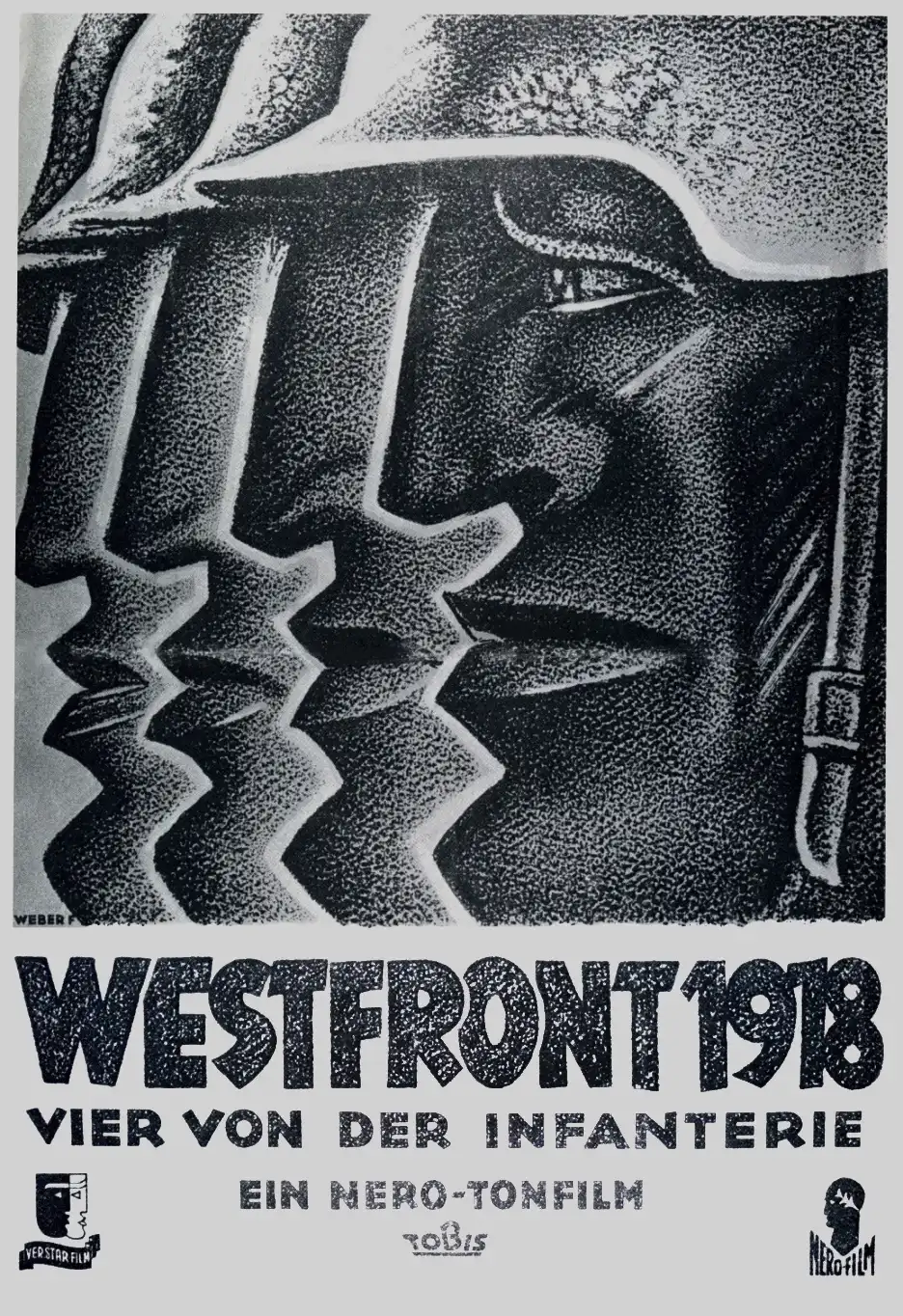
A definitive 7.3/10 rating for a film that redefined the boundaries of cult cinema. Westfront 1918 remains a cornerstone of transgressive art.
So, should you watch Westfront 1918 today? Absolutely, if you’re brave enough. This isn't your grand, sweeping war epic; it's a claustrophobic, dirty peek into the German trenches near the end of World War I. If you like your war films grim, unromantic, and utterly exhausting, you'll probably appreciate this. But if you’re looking for heroics or a tidy plot, you'll hate it. This movie just *is*.
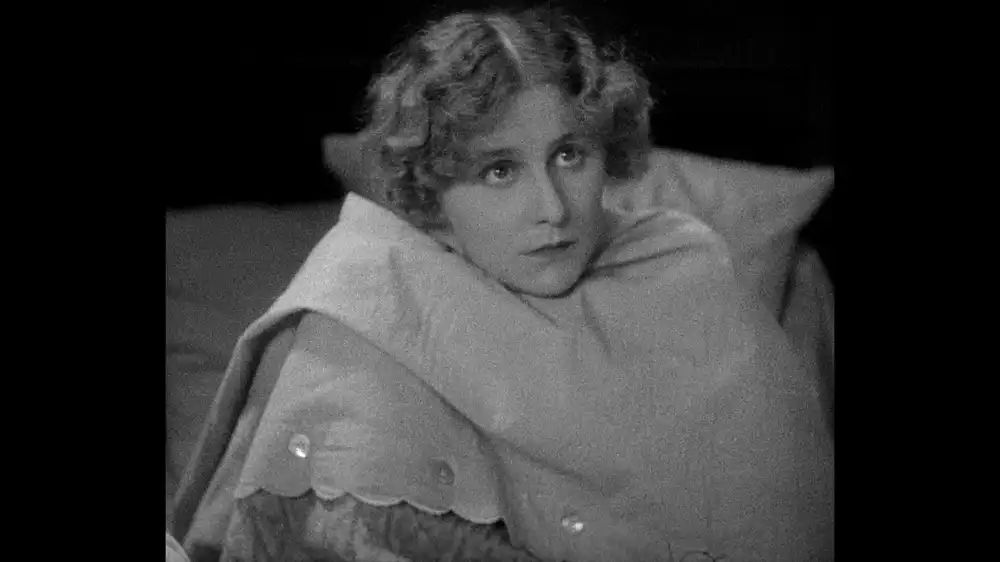
It opens up with this shot of soldiers crammed into a dugout, laughing at a letter. It's almost too loud, too much forced cheer. You can tell right away these guys are just trying to forget where they are. Then, boom, the artillery starts. Suddenly, the laughter is gone, replaced by this awful, rattling fear that just vibrates through the screen. It’s a jarring shift, feels very real, not at all polished.
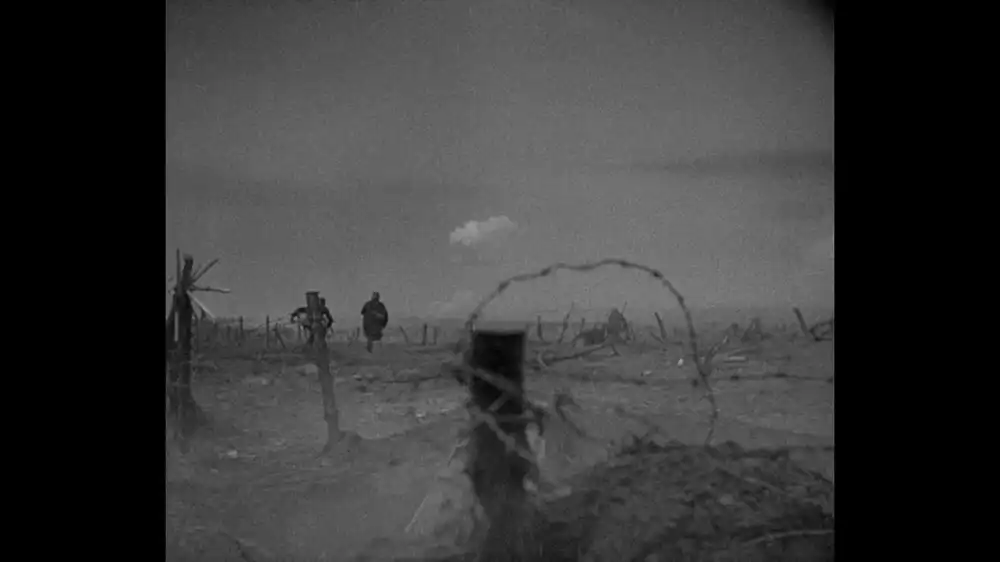
The film follows a few different soldiers – Karl, the student; the Bavarian, a burly guy with a hunger that never seems to go away; and Lieutenant Werner, who's just trying to hold onto his sanity. You don't get much backstory, really. They just *are* there. They exist in this hell, and that’s the point.
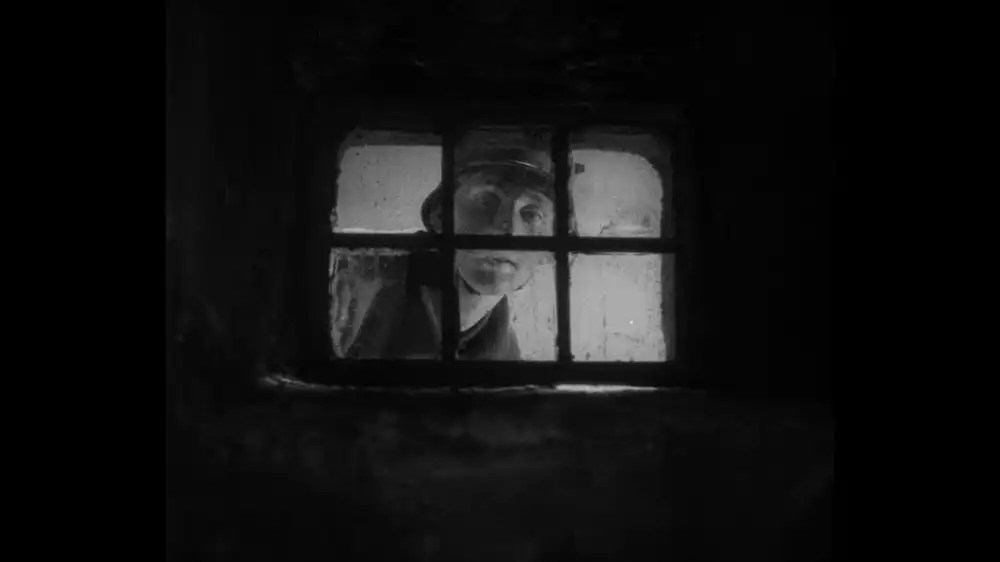
One scene, early on, shows them just *sitting* in the trenches. The mud, oh my god, the mud. It’s everywhere. It coats everything. You can almost smell the damp earth and desperation. There’s a quietness sometimes, punctuated by distant shelling, that’s almost worse than the noise. It feels like the world is holding its breath before another terrible blow.
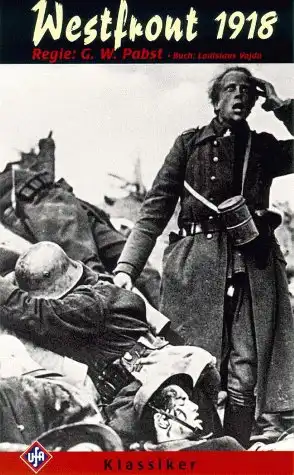
There’s a moment when Karl gets leave and goes home to see his wife. He finds her with another man. The way it’s shot – not dramatic, no big confrontation, just this quiet, crushing realization on his face. He just turns and leaves. It’s brutal because it’s so understated. It speaks volumes about how war doesn doesn't just break bodies, it unravels everything back home too. It's such a heavy, quiet beat.
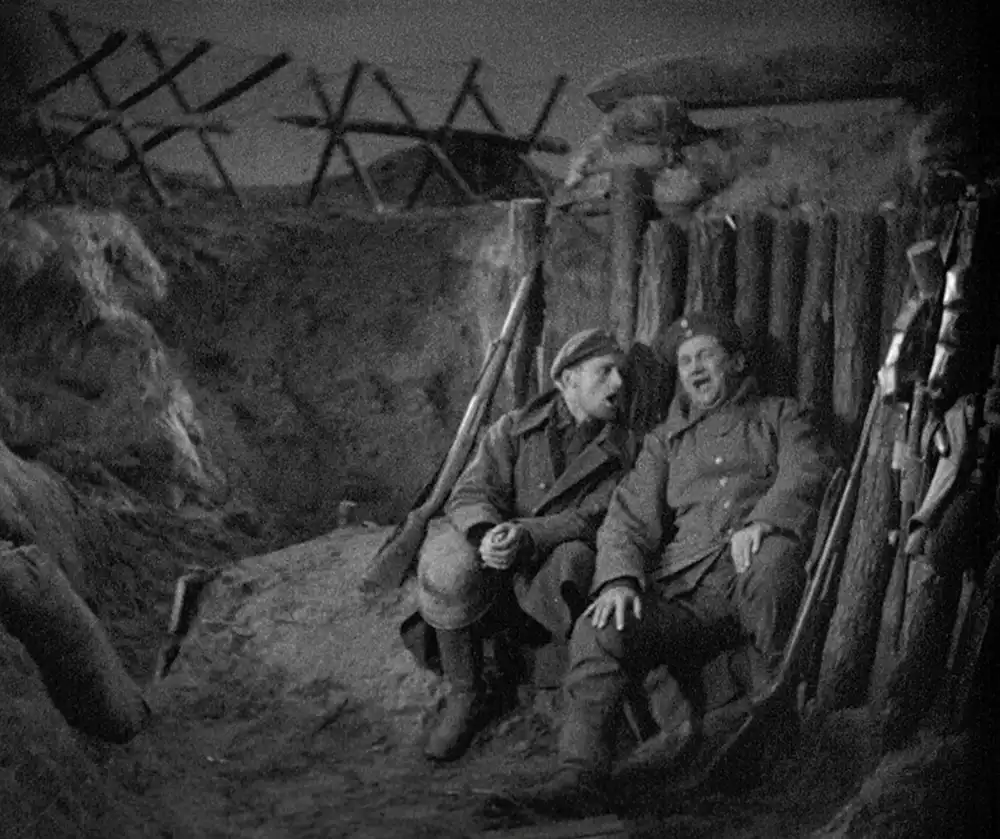
The Bavarian is always hungry, right? He’s always thinking about food. It's a small detail, but it makes him so human. In one part, they’re getting some sort of meager rations, and he just devours it. It’s not graceful, it’s survival. And later, when things get really bad, his hunger becomes this *awful* metaphor for how everyone’s just starving for *anything* good.
The attack scenes… they’re messy. Not like a big, choreographed ballet. It’s just chaos. Men running, falling, screaming. The camera feels like it’s right there, scrambling with them. It’s disorienting. You don’t always know who’s who, or what’s happening, and that feels exactly right for a real battle. There's no clear hero, just people trying to make it through.
And the hospital sequence. Oh man. The sheer number of wounded. Limbs, bandages, screams. It’s a truly awful spectacle. Lieutenant Werner ends up there, shell-shocked. His eyes are just… empty. He’s seen too much. The doctors are trying to help, but you get the sense they're just overwhelmed, doing what they can in a nightmare. It’s not tidy, not at all.
What sticks with me is the ending. It’s not some big, triumphant moment. It just… stops. The war is still going on, and these men are still there, still suffering. It leaves you with this heavy, hollow feeling. There’s no easy wrap-up. It's just the grim reality. It hammers home the futility of it all without needing any fancy speeches.
This film, made in 1930, feels incredibly modern in its unflinching look at war. It doesn't glorify, doesn't preach. It just shows. And in that showing, it hits harder than almost any film I’ve seen about the Great War. It’s a tough watch, sure, but an important one. It reminds you how truly *awful* that conflict was, in a way that feels very direct and personal. A real punch to the gut. 😵💫
IMDb 5.9
1928
Community
Log in to comment.