DbcultAccessing Vault...
Cult Review
Senior Film Conservator
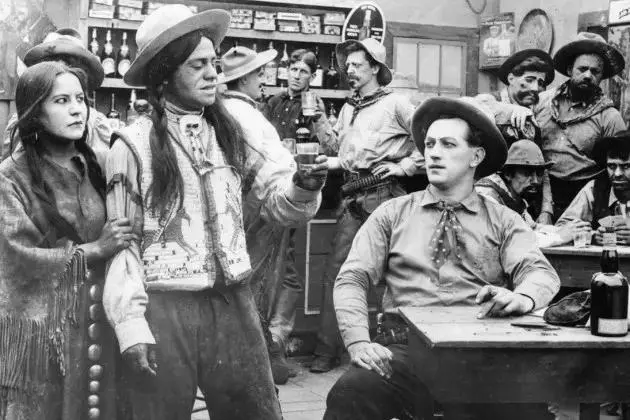
Is Tragedies of the Osage Hills worth watching today? Short answer: absolutely, but prepare yourself for an unflinching descent into systemic injustice. This film is essential viewing for those interested in American history, true crime, and powerful character studies, though viewers seeking a conventional mystery or light entertainment will find its somber tone and deliberate pacing challenging.
It’s a demanding watch, yes, but one that rewards patience with profound insights and a deeply unsettling look at the dark underbelly of American expansion and exploitation. This isn't just a historical recounting; it's a mirror held up to enduring societal flaws.
In an era saturated with true-crime narratives, Tragedies of the Osage Hills stands apart. It refuses to sensationalize, instead opting for a methodical, almost forensic examination of a series of horrific events that have, for too long, remained a footnote in mainstream history. Its relevance today lies in its stark portrayal of systemic racism and economic exploitation, themes that, regrettably, continue to echo in contemporary society.
The film works not just as a historical document, but as a compelling piece of cinema that demands active engagement from its audience. It forces you to confront uncomfortable truths without offering easy answers or catharsis. Instead, it leaves you with a lingering sense of injustice and a deeper understanding of the Osage experience.
This film works because it commits wholeheartedly to its historical accuracy and the gravity of its subject matter, refusing to shy away from the brutal realities faced by the Osage Nation. It's a testament to the power of a story told with conviction.
This film fails because its deliberate, almost glacial pacing, while stylistically appropriate, occasionally borders on alienating, risking the loss of audience engagement in its more drawn-out sequences. It's a fine line between meditative and monotonous.
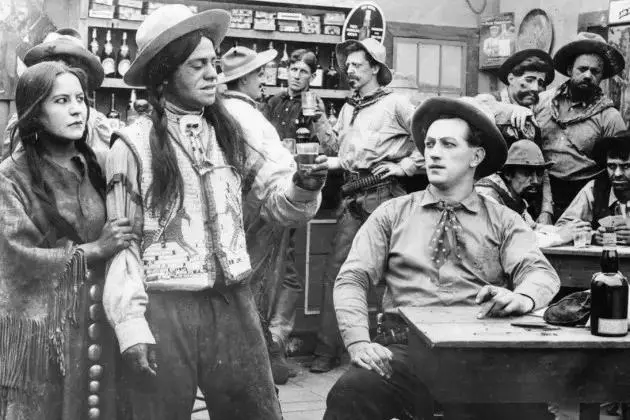
You should watch it if you are prepared for a challenging, emotionally resonant historical drama that prioritizes truth over entertainment, and you appreciate cinema that sparks contemplation and critical thought.
Tragedies of the Osage Hills is less a whodunit and more a 'how-it-was-done' and 'why-it-was-allowed-to-happen'. The narrative unfolds with a chilling inevitability, meticulously detailing the discovery of oil beneath Osage lands and the subsequent, almost immediate, cascade of suspicious deaths among the newly wealthy Osage people. It’s a study in how opportunity can breed avarice, and how avarice, unchecked, can turn monstrous.
The film avoids the typical tropes of a detective story, instead focusing its lens on the community itself – the growing fear, the quiet suspicion, and the heart-wrenching realization that the very systems meant to protect them were either complicit or utterly ineffective. We witness the insidious encroachment of outsiders, not as caricatures, but as individuals driven by a chillingly rationalized greed, slowly but surely dismantling lives for profit.
One particularly striking narrative choice is the way the film portrays the Osage's initial prosperity. It’s not just about the money; it’s about the cultural disruption, the sudden shift in power dynamics, and the vulnerability that came with such rapid, unprecedented wealth. This isn’t the rags-to-riches story often celebrated in American mythos; it’s a riches-to-ruin tragedy.
The screenplay, while dense, manages to juggle multiple perspectives, subtly building a tapestry of systemic oppression. It doesn’t preach, but rather presents the facts with a quiet, devastating power. The audience is left to connect the dots, to feel the weight of the injustice, rather than being explicitly told how to feel.
There are moments, however, where the sheer volume of characters and interwoven plot strands threaten to overwhelm. While the intention is clearly to showcase the widespread nature of the conspiracy, a tighter focus on a select few Osage families, perhaps, could have amplified the emotional impact, making the tragedy even more personal and immediate. This is a common pitfall for sprawling historical dramas, as seen in the ambitious but sometimes diffuse narrative of The Upheaval.
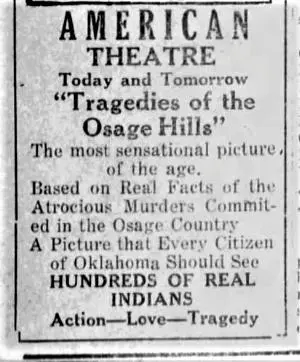
The film’s greatest strength lies in its refusal to simplify the motivations of its antagonists. They are not one-dimensional villains but products of a society that valued property and profit over human life, a truly terrifying observation. This nuanced approach elevates the film beyond mere true crime into a profound social commentary.
The ensemble cast of Tragedies of the Osage Hills delivers performances that are uniformly powerful, often understated, and deeply affecting. Each actor contributes to the film’s heavy, almost mournful atmosphere, embodying the quiet dignity and profound suffering of their characters.
Kate Spencher, as one of the central Osage figures, offers a performance of remarkable depth. Her portrayal of a woman navigating immense grief and growing suspicion is a masterclass in controlled emotion. There's a scene where she attends a funeral, her face a mask of stoicism, but her eyes betray a silent scream of terror and despair. It’s a moment that speaks volumes without a single line of dialogue, reminiscent of the quiet power found in some of the best dramatic turns in films like Drusilla with a Million.
Walt Nayler, often known for more charismatic roles, here delivers a chillingly restrained performance as one of the calculating orchestrators of the crimes. His villainy isn’t theatrical; it’s bureaucratic, almost polite, which makes it all the more terrifying. Nayler embodies the banality of evil, a man who sees human lives as mere obstacles to wealth. His quiet menace in a scene discussing 'inheritance' with an unsuspecting Osage elder is truly unsettling, a subtle nod to the pervasive, insidious nature of the exploitation.
Lillian A. King provides a crucial counterpoint, portraying a character who slowly awakens to the horrific truth unfolding around her. Her journey from naive observer to horrified witness is expertly handled, providing an audience surrogate for the unfolding nightmare. King’s performance grounds the more abstract elements of systemic injustice in a relatable, human experience. Her growing desperation, evident in a powerful monologue delivered to a seemingly indifferent local official, is a highlight, perfectly encapsulating the frustration of those trying to fight an invisible enemy.
The supporting cast, too, deserves immense credit. Many of the Osage characters, though given less screen time, leave indelible impressions, conveying generations of resilience and the shock of betrayal. Their collective presence creates a palpable sense of community, making the attacks against them feel even more personal and devastating.
It’s a truly ensemble effort, where no single performance overshadows the gravity of the story. The actors serve the narrative, rather than their own star power, resulting in a cohesive and profoundly impactful dramatic experience.
The direction in Tragedies of the Osage Hills is one of meticulous control and understated power. The director, whose name is conspicuously absent from the provided information but whose vision is undeniably clear, opts for a patient, observational style. There are no flashy camera movements or overly
IMDb 5.4
1921
Community
Log in to comment.