DbcultAccessing Vault...
6.6/10
Senior Film Conservator
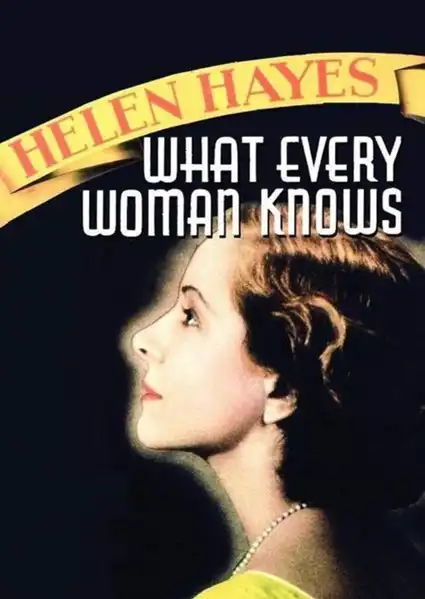
A definitive 6.6/10 rating for a film that redefined the boundaries of cult cinema. What Every Woman Knows remains a cornerstone of transgressive art.
If you have a soft spot for 1930s dramas that feel like they were pulled out of a dusty attic, What Every Woman Knows is worth your time. It’s definitely not for folks who need a high-octane plot or a protagonist who isn't a total drip. If you enjoy watching a sharp-witted woman work circles around a man who thinks he's the smartest guy in the room, you’ll dig this.
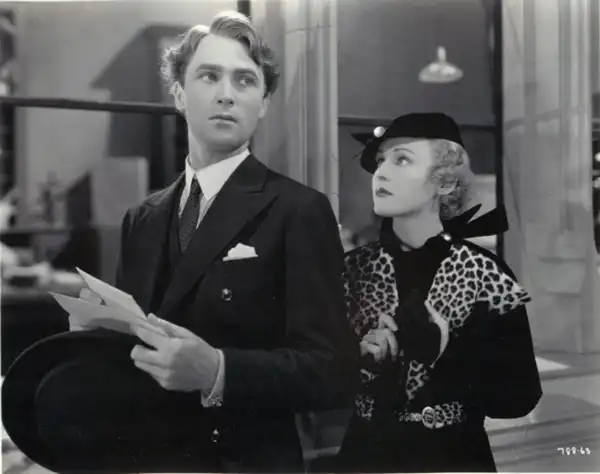
Helen Hayes is the whole reason this works. She plays Maggie with this quiet, knowing smile that says she’s already three steps ahead of everyone else. Honestly, watching her navigate John Shand’s massive ego is like watching a master gardener prune a hedge that really doesn't want to be shaped. She’s patient. Maybe too patient.
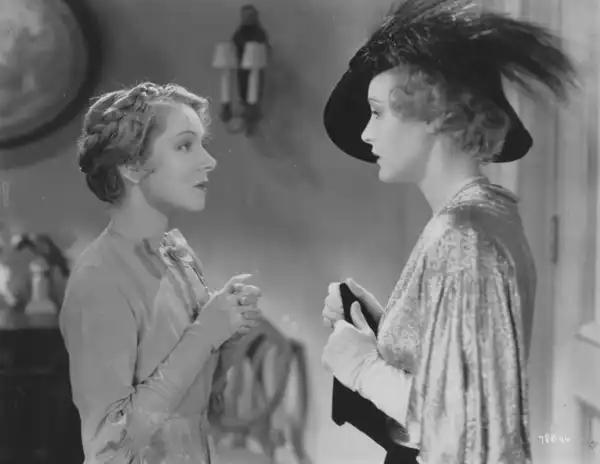
John is a piece of work. He’s the kind of guy who would trip over his own ambition if someone didn't tie his shoelaces for him. There’s a scene where he’s so full of himself, acting like he’s conquered the world, while Maggie just sits there knitting or whatever. It’s maddening. You really want her to just walk out, but that’s not the movie we get.
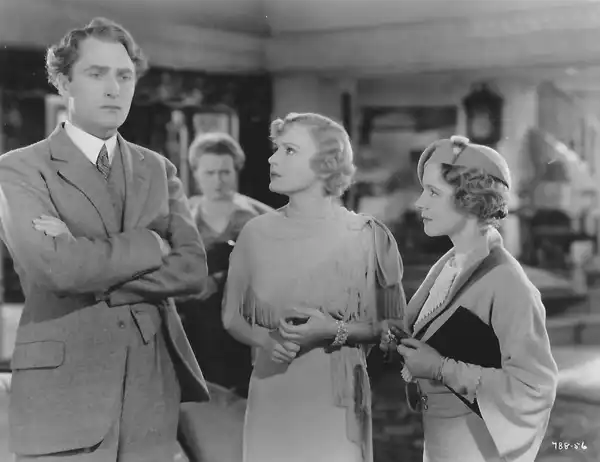
The pacing is a bit like a Sunday afternoon—slow, steady, and occasionally you might nod off for a second. It doesn't have the kinetic energy of something like Going Places, but it has a different kind of pull. It’s all in the dialogue. J.M. Barrie knew how to make people sound clever even when they were being absolute fools.
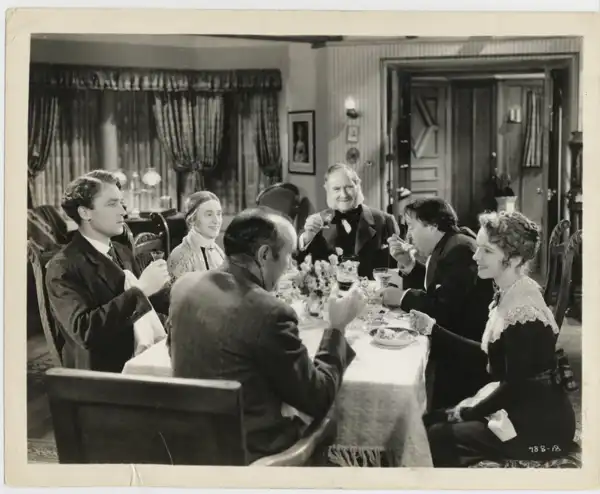
There is this one moment where Maggie finally lets loose a little bit of her own personality, and the whole energy in the room shifts. It’s not a big explosion, just a tiny crack in the armor. It’s the kind of detail that makes you wonder if you missed something in the first half hour.
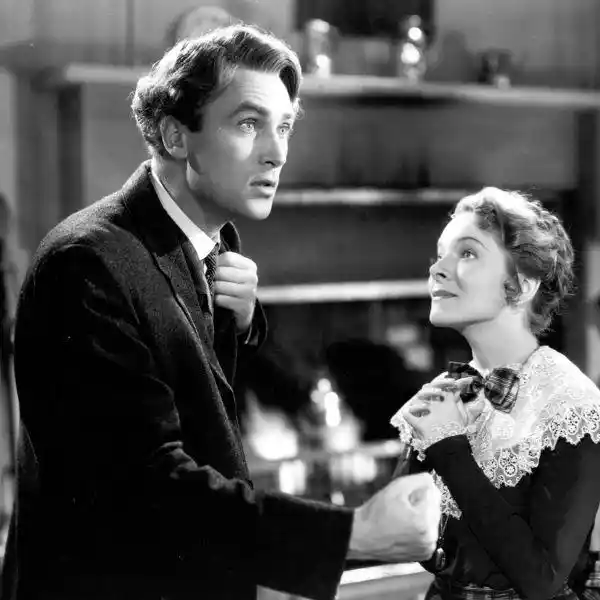
Is it dated? Absolutely. You can practically smell the mothballs on the costumes. But there’s a surprising amount of bite in the script that I didn't expect. It makes me think of the tone in The Adventures of Kitty Cobb, though this one feels a bit more grounded in a strange, theatrical sort of reality.
The aristocratic rival, Sybil, is exactly what you expect—all fluff and no substance. The movie makes sure we know she’s a total bore. It’s a bit heavy-handed, honestly. We didn't need the contrast to be that loud, but the filmmakers clearly didn't trust us to get the point.
I left the movie thinking about how much work goes into a marriage that nobody else ever sees. It’s a bit depressing, if I'm being honest. But Helen Hayes makes it look like a quiet, private victory. She’s the MVP here, no doubt about it.
IMDb —
1913
Community
Log in to comment.