DbcultAccessing Vault...
Cult Review
Senior Film Conservator
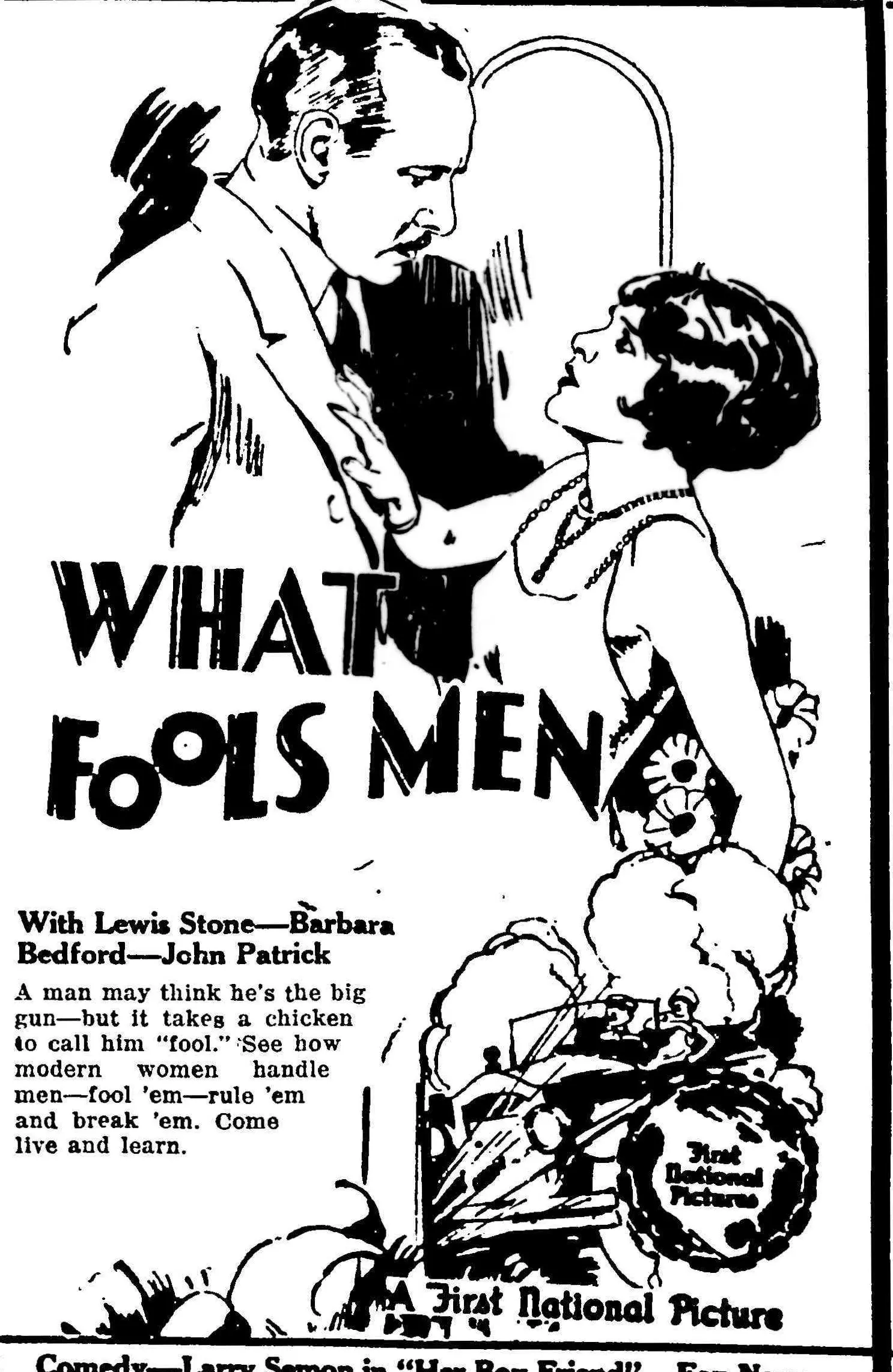
Is What Fools Men worth your time in the modern age? Short answer: yes, but only if you appreciate the socio-economic friction and the high-octane melodrama of the silent era.
This film is for the silent cinema completionist and those obsessed with the 'Flapper' transition; it is NOT for viewers who require fast-paced narrative resolution or modern moral sensibilities. It is a slow-burn study of a man whose ego is far larger than his foresight.
This film works because it captures the visceral clash between Victorian rigidity and flapper-era liberation through the clever visual shorthand of Jenny’s transformation.
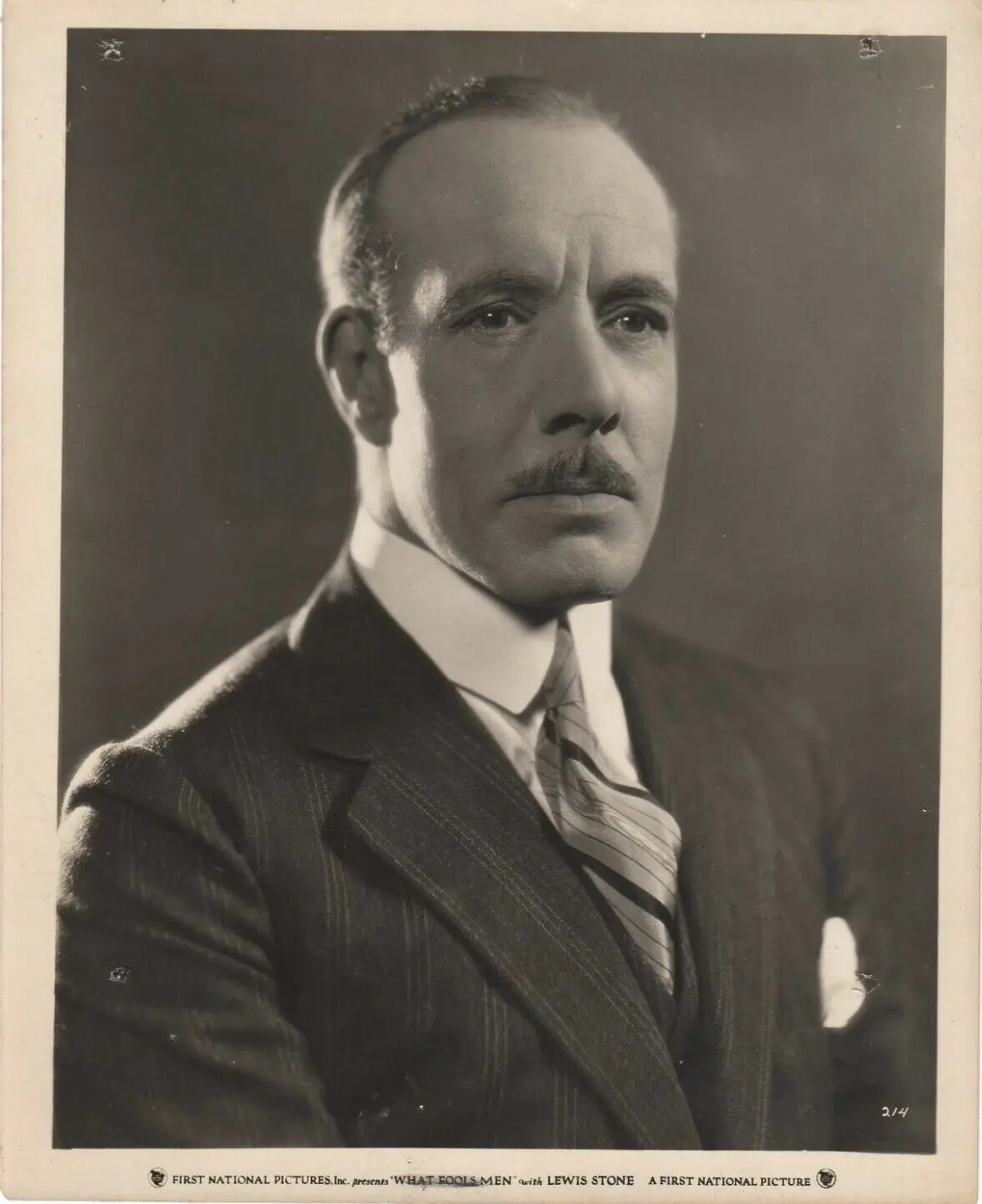
This film fails because the final act relies on a convenient, almost unearned emotional pivot that resolves years of estrangement in a few title cards.
You should watch it if you want to see a rare, authentic portrayal of how the 'New Woman' movement terrified the established patriarchal order of the 1920s.
Joseph Greer, played with a stiff-collared intensity by Lewis Dayton, is the quintessential 1920s patriarch. He believes he can compartmentalize his life into neat, manageable boxes. There is the office Greer, a man of commerce and cold dictation. Then there is the nightclub Greer, who indulges in the very vices he later condemns in his daughter. This duality is personified in Jenny McFarlan. By day, she is the invisible hand of his business; by night, she is the 'companion' who fuels his ego. It is a cynical arrangement that the film doesn't shy away from, even if it couches it in the era's typical melodrama.
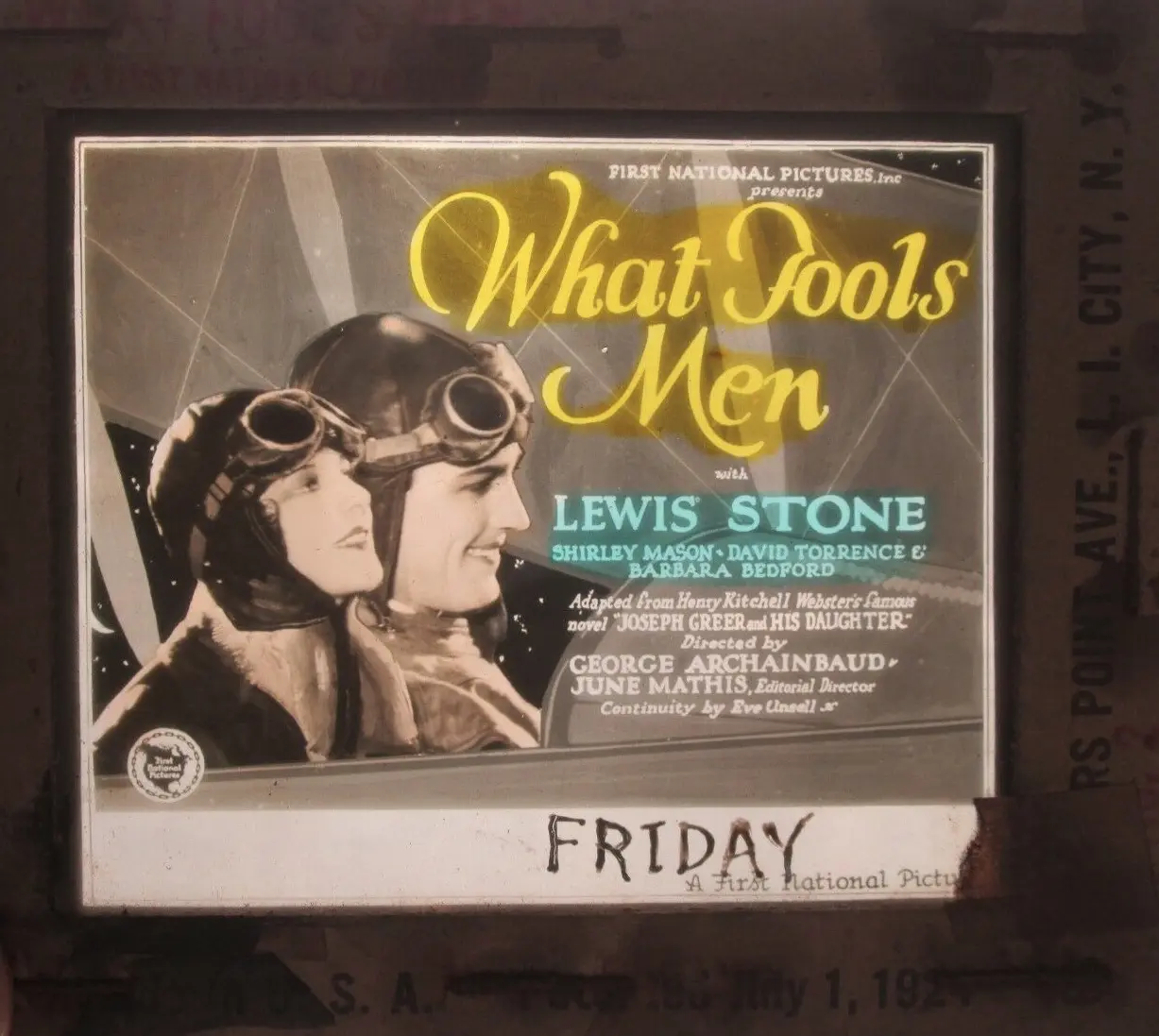
The scene where Jenny removes her eyeglasses is more than a tired trope; in the context of 1925, it represents the shedding of the 'worker' identity to become a commodity of the night. It is a performance of gender that Greer demands but cannot handle when mirrored by his own flesh and blood. When compared to the character dynamics in Trilby, Greer lacks the mystical control of a Svengali, but he possesses the financial weight that makes his manipulation equally oppressive. He is a man who thinks he owns the people around him, a theme explored with similar grit in Human Collateral.
Dayton’s performance is fascinatingly rigid. He moves through his mahogany-row office like a man made of stone. This makes his eventual collapse all the more jarring. When his business associates eventually turn on him, it isn't just a financial loss; it is the total evaporation of the only identity he truly understands. He is a man who defined himself by his 'fixtures,' and once they are gone, he literally disappears. It’s a mess. But it’s a fascinating mess.
Enter Beatrice, played by Barbara Bedford with a kinetic energy that threatens to burst the frame. She is the 'New Woman' personified—a flapper who doesn't just want to dance; she wants to dismantle. Her arrival in Greer’s life is not a sentimental reunion; it is a hostile takeover. She brings jazz, pool parties, and an utter disregard for the Volstead Act into a home that was previously a mausoleum of Victorian values. Unlike the more subdued rebellion seen in M'Liss, Beatrice’s defiance is loud, expensive, and public.
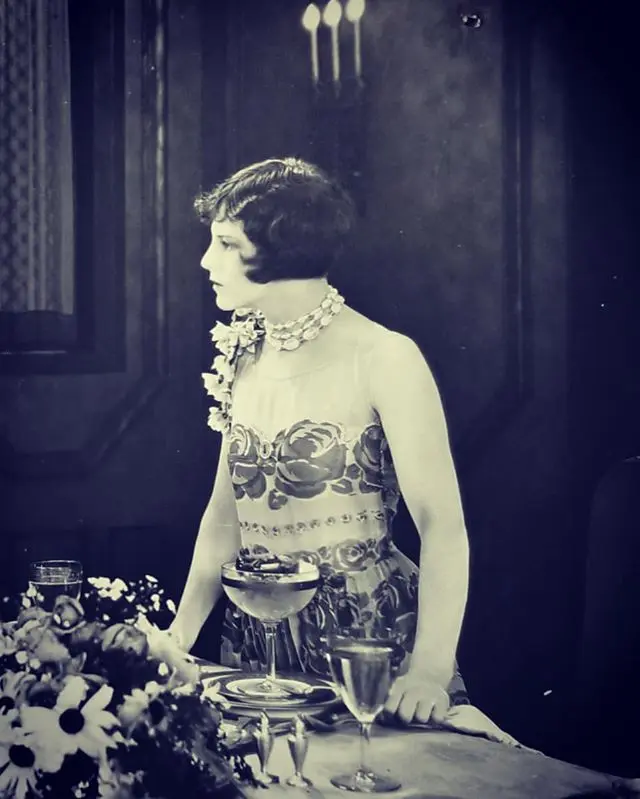
The pool party scene is a standout moment of 1920s excess. The way the camera captures the frantic movement of the dancers against the static, disapproving silhouette of Greer in the doorway tells you everything you need to know about the generational gap. Beatrice isn't just 'carrying on'; she is weaponizing her joy against her father’s austerity. Her romance with the chauffeur is the ultimate middle finger to Greer’s class consciousness. In the silent era, class was often depicted through clothing and posture, and Bedford uses both to show her utter lack of concern for her father’s 'standing.'
The elopement is the film's turning point. It is a moment of pure impulse that highlights the central theme: what fools men are when they try to control the uncontrollable. Greer fires the chauffeur, thinking he can end the romance with a pink slip. He is wrong. The elopement isn't just a romantic gesture; it’s a declaration of independence. This subversion of the 'father knows best' trope is surprisingly modern, even if the film eventually retreats into a more traditional resolution.
If you are looking for a historical document that captures the anxiety of the 1920s, then yes, this film is essential viewing. It provides a window into a world where the rules were changing faster than the people living in it could adapt. The tension between the 'prim and proper' office life and the 'nightclub' mistress life is a sharp critique of the era's double standards. However, if you struggle with the exaggerated gestures and slower pacing of silent drama, you might find the business-related subplots tedious.
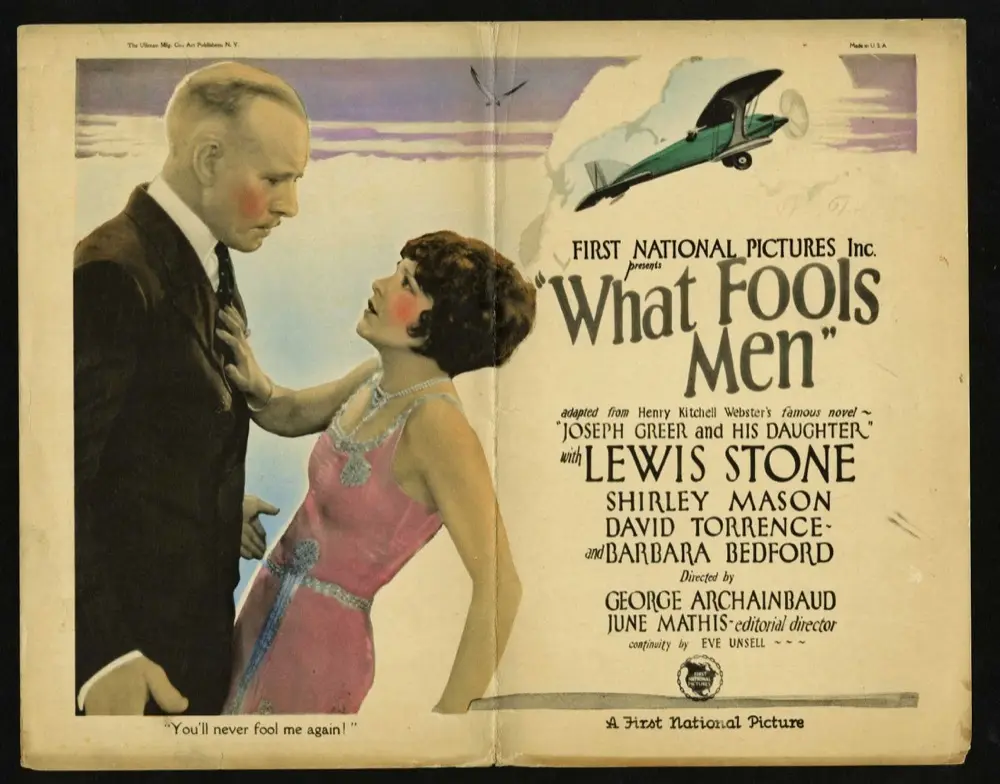
The film’s greatest strength is its refusal to make Greer a purely sympathetic character. He is often unlikable, arrogant, and hypocritical. This makes his eventual downfall feel earned rather than tragic. In a landscape of silent films that often leaned into melodrama, What Fools Men feels grounded in a cynical reality that mirrors the dark side of the American Dream. It’s a film about the cost of keeping up appearances, a theme that remains relevant today.
The cinematography in What Fools Men excels in its use of shadows and interior space. The Greer mansion is filmed as a series of cold, echoing halls, which stands in stark contrast to the cramped, smoky, and vibrant atmosphere of the nightclubs. This visual dichotomy reinforces the film's central conflict. When Greer loses his business, the visual style shifts again, moving toward a more naturalistic, almost gritty portrayal of his disappearance. It lacks the pastoral beauty of The Secret of the Moor, opting instead for an urban harshness that feels appropriate for a story about a fallen titan.
One of the most surprising observations is the film's treatment of Jenny. While she starts as a mistress, she ends as the catalyst for the family's healing. She is the bridge between the two worlds. The film suggests that the 'foolishness' of men can only be rectified by the emotional intelligence of the women they try to manage. This is a recurring theme in the work of writer Eve Unsell, who often gave her female characters more agency than their male counterparts. We see similar narrative threads in Mrs. Leffingwell's Boots, where social scandal is navigated through female wit.
The pacing, however, is where the film stumbles. The middle section, which focuses heavily on Greer’s business associates and his financial ruin, feels bogged down in title cards and ledger books. It lacks the spark of the Beatrice-led scenes. While these moments are necessary to set up the 'happy reunion,' they feel like a different film entirely—a dry business drama interrupted by a flapper's pool party. It’s a jarring shift that requires a patient viewer.
Pros:
Cons:
What Fools Men is a fascinating, if slightly lopsided, relic of the silent era. It succeeds as a character study of a man blinded by his own sense of importance, and it shines whenever Barbara Bedford is on screen to challenge that importance. While the business subplots may test the patience of modern audiences, the film's exploration of hypocrisy and generational rebellion remains surprisingly sharp. It doesn't quite reach the heights of the era's greatest masterpieces, but it offers a compelling and cynical look at the 'fools' who thought they could control the Roaring Twenties. It’s worth a watch for the pool party alone, but stay for the surprisingly nuanced performance of a man losing everything he thought he owned. It works. But it’s flawed.
IMDb —
1926
Community
Log in to comment.