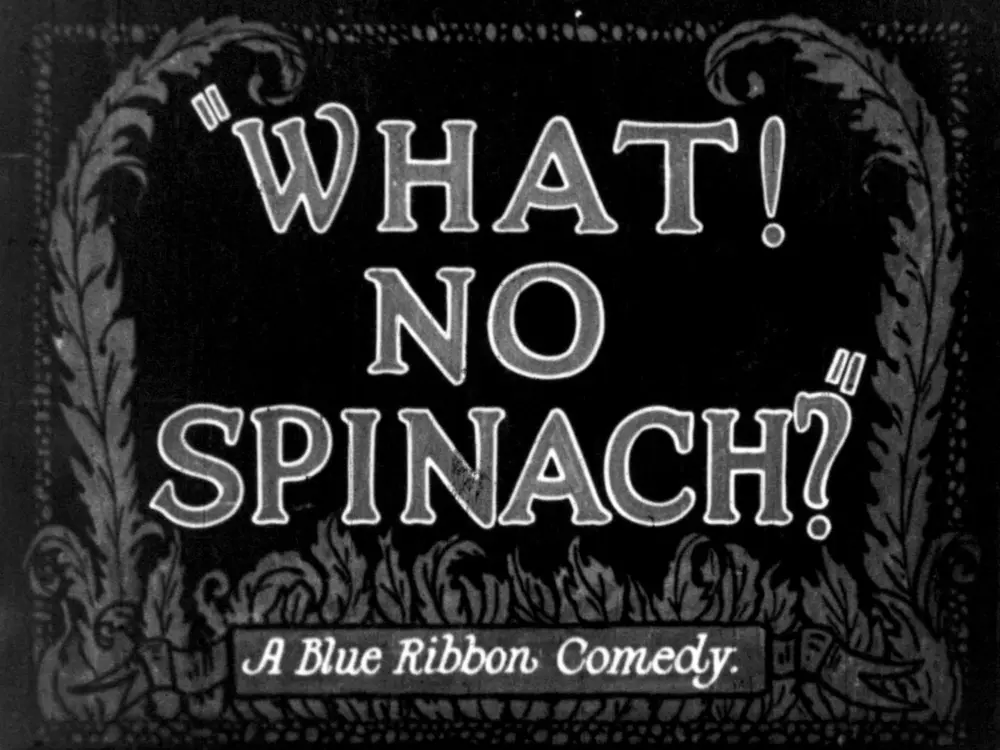
A definitive 5.4/10 rating for a film that redefined the boundaries of cult cinema. What! No Spinach? remains a cornerstone of transgressive art.
Is "What! No Spinach?" worth watching today? Short answer: yes, but with significant caveats that demand a specific taste. This silent-era short is a fascinating historical artifact best suited for dedicated cinephiles and those with a keen interest in the foundational elements of slapstick comedy, particularly fans of Harry Sweet's idiosyncratic style. It is emphatically not for audiences seeking modern comedic pacing, sophisticated narrative, or polished production values.
Stepping back into the 1920s to experience a film like "What! No Spinach?" is less about finding a universally accessible comedy and more about appreciating a specific moment in cinematic evolution. It's a window into the raw, unrefined energy that predated the polished antics of the genre's titans. For those willing to adjust their expectations, there’s a peculiar charm to its simplicity.
Why "What! No Spinach?" Works and Where It Stumbles
Understanding the enduring appeal and inherent limitations of a film from nearly a century ago requires a specific lens. Here’s a quick breakdown:
This film works because: It provides an invaluable window into early comedic archetypes and the raw, unrefined energy of silent slapstick. Harry Sweet’s physical comedy, though often broad, showcases a unique, almost desperate charm that resonates even through the grainy footage. It captures a specific societal commentary on class and sudden wealth that remains relevant.
This film fails because: Its narrative is simplistic, bordering on repetitive, and its humor, while groundbreaking for its time, often lacks the layered nuance that would allow it to transcend its era for a broader modern audience. The pacing can feel sluggish, even for a short, and some gags overstay their welcome.
You should watch it if: You are a student of film history, a silent comedy enthusiast, or someone intrigued by the evolution of comedic storytelling. It’s a foundational piece, not a casual watch, and offers insight into the early careers of its stars.
The Enduring Appeal of Sweet's Slapstick
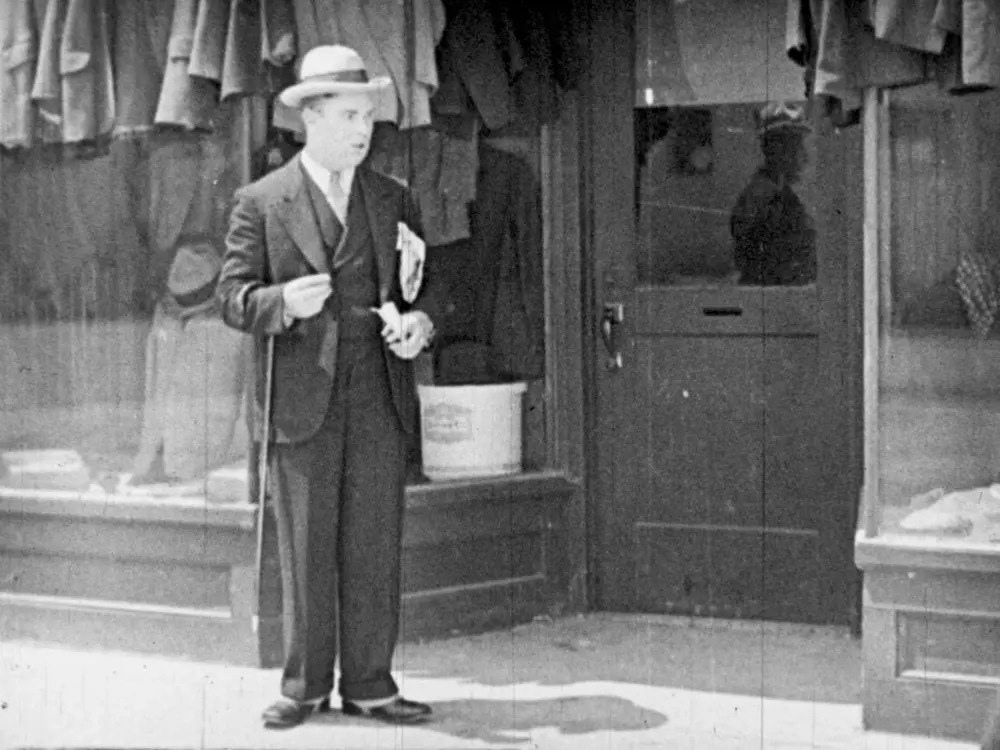
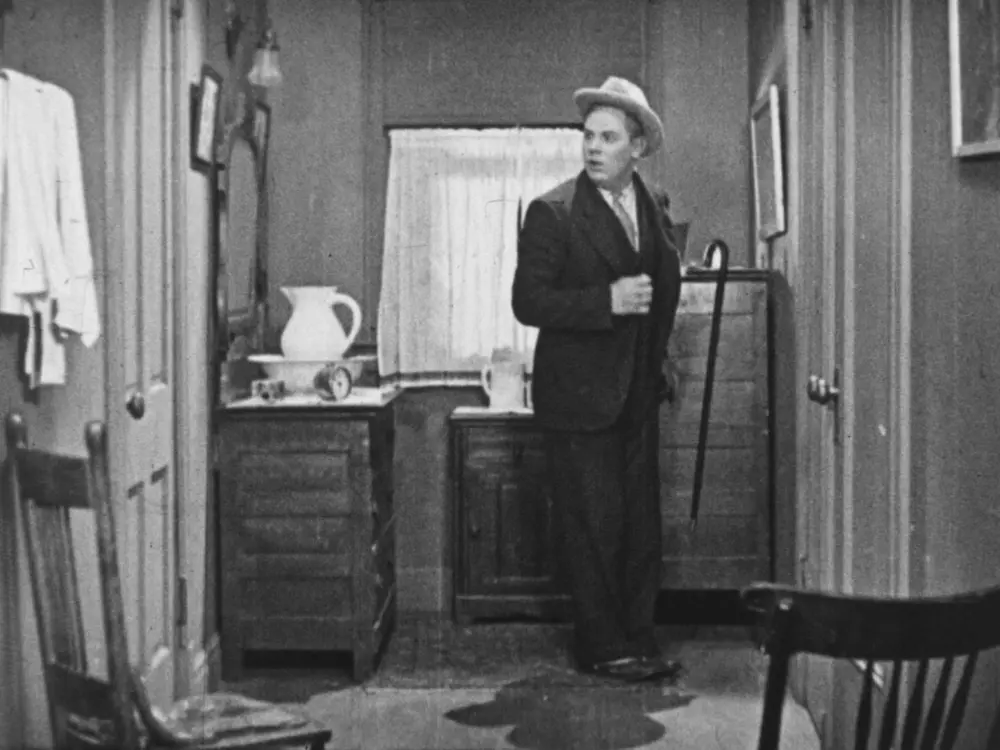
Harry Sweet, both writer and star, embodies the quintessential ne'er-do-well with a peculiar, almost endearing ineptitude. His character, Harry, is not just poor; he's pathologically incapable of financial responsibility. This isn't the charming tramp of Chaplin or the stoic resilience of Keaton; Sweet's Harry is a man perpetually at odds with the most basic demands of adulthood, a walking embodiment of bad decisions.
Scene from What! No Spinach?
Cinematic perspective: Exploring the visual vocabulary of What! No Spinach? (1926) through its definitive frames.
His comedic style leans heavily into physical awkwardness and a kind of bewildered resignation. Before the inheritance, Sweet masterfully conveys a man perpetually on the brink, his shoulders slumped, his movements often hesitant. He's not actively malicious, just hopelessly feckless, a quality that surprisingly makes him relatable in his struggle, even as his actions confound.
A prime example of his character's absurdity is the recurring gag where he consistently buys frivolous items—a hat, a cane, some unspecified trinket—on his way home, rather than paying his rent to Gale Henry. This isn't just a plot device; it's a character beat, illustrating his almost childish inability to prioritize. He's less a hero, more a punchline to his own life, a man whose problems are largely self-inflicted, yet he evokes a strange sympathy.
Post-inheritance, Sweet's transformation isn't a sudden shift to suave confidence, but rather an amplification of his inherent awkwardness, now tinged with a bewildered superiority. He becomes the object of desire, not through any change in his character, but purely through external circumstance. This passive recipient of fortune is a fascinating, if unconventional, comedic lead, distinct from the more proactive silent stars.
Gale Henry's Understated Brilliance
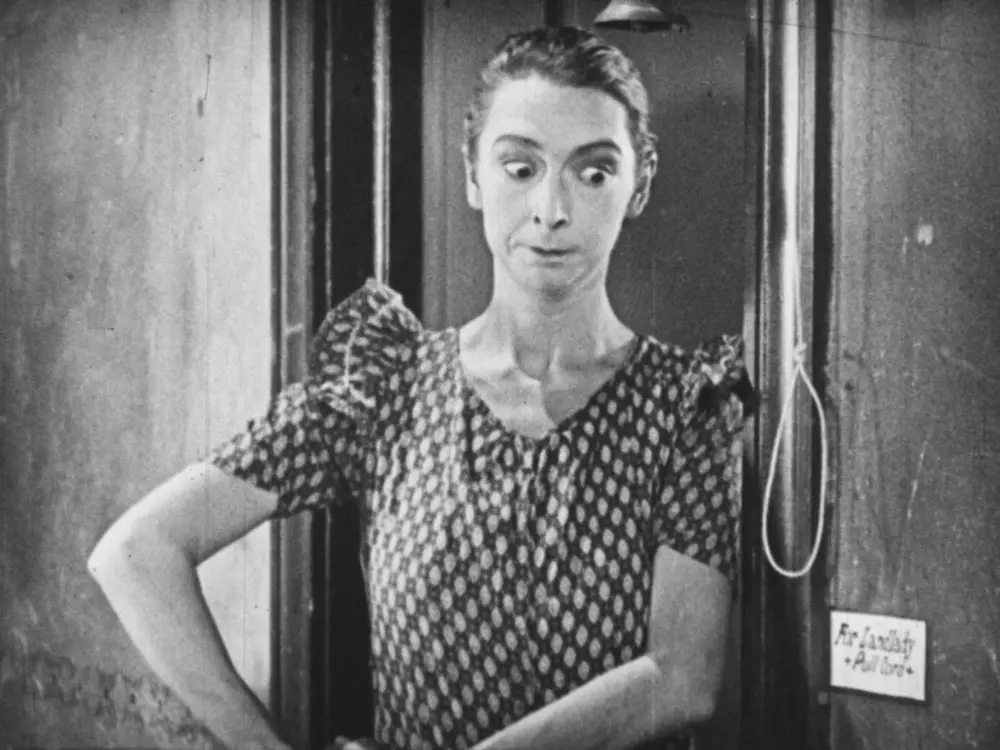
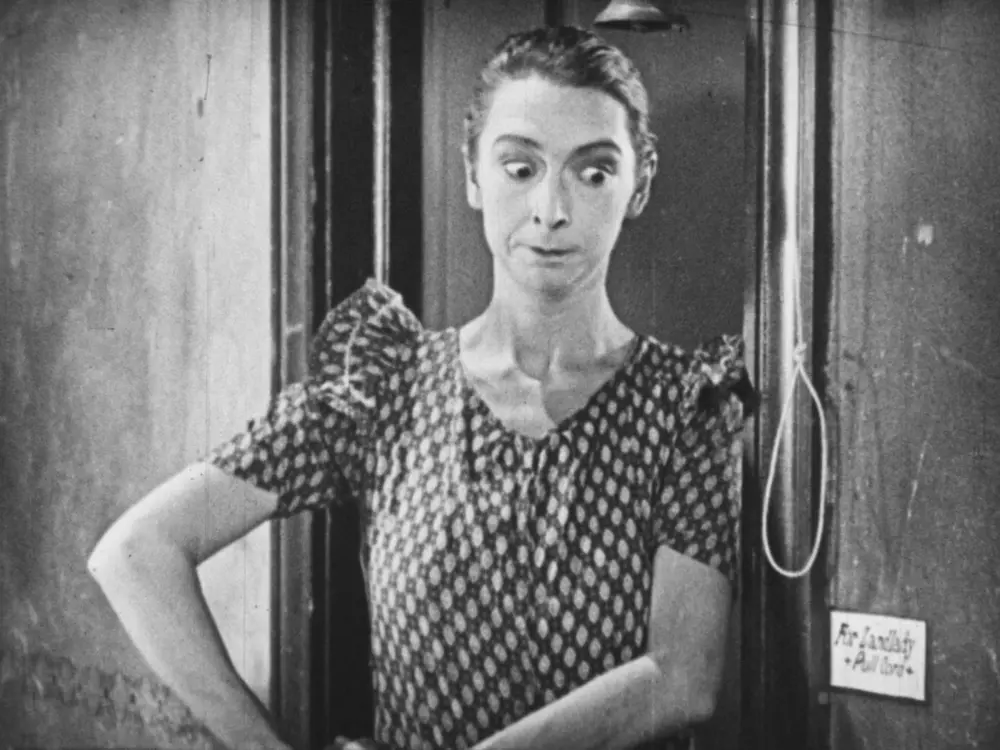
While Harry Sweet provides the central comedic engine, it is Gale Henry's performance as the long-suffering landlady that anchors much of the film's emotional, or rather, transactional, core. Henry, a prolific actress of the era, brings a tangible weariness to her initial portrayal, her expressions conveying exasperation without needing a single intertitle to explain her plight. Her stern glances and exasperated gestures are perfectly calibrated.
Scene from What! No Spinach?
Cinematic perspective: Exploring the visual vocabulary of What! No Spinach? (1926) through its definitive frames.
The turning point in her performance, and indeed the film's narrative, comes when she overhears the reading of the will. The shift is subtle at first, a flicker of surprise, then a dawning realization of opportunity, culminating in a predatory gleam in her eye. It's a masterful piece of silent acting, showcasing her ability to convey complex emotions with minimal fuss.
Her subsequent pursuit of Harry is a highlight, blending her previous sternness with a newfound, almost grotesque, saccharine charm. She transforms from an imposing figure of authority into a relentless suitor, her physical comedy in chasing Harry through various settings being both frantic and genuinely amusing. It's a stark contrast to the more overtly glamorous leading ladies of the era, presenting a woman driven by pragmatism and a keen eye for financial security.
Henry's ability to pivot so dramatically, yet believably, from a frustrated landlord to a gold-digging admirer, makes her character far more compelling than a simple antagonist. Her performance elevates the broad strokes of the plot, giving it a surprising undercurrent of human motivation, however mercenary it may be.
Direction and Visual Storytelling
Directed by Harry Sweet and Al Martin, "What! No Spinach?" employs a straightforward, functional directorial style typical of many shorts of the period. The focus is clearly on the gags and the performers, with less emphasis on groundbreaking cinematic techniques. However, within these constraints, there are moments of effective visual storytelling.
Scene from What! No Spinach?
Cinematic perspective: Exploring the visual vocabulary of What! No Spinach? (1926) through its definitive frames.
The cinematography, while not groundbreaking, is competent. Shots are generally well-framed, ensuring that the comedic action is always clear. The use of medium shots allows the audience to fully appreciate the physical comedy of both Sweet and Henry. There's a pragmatic charm to the visual execution, prioritizing clarity over artistic flourish.
The scene depicting the reading of the will is particularly well-staged. The attorney, the somber atmosphere, and the gradual reveal of Harry's fortune are all handled effectively. The camera lingers just long enough on Gale Henry's face to capture her evolving reaction, making her transformation palpable. Similarly, the chase sequences, while somewhat repetitive, are blocked with an understanding of comedic timing, utilizing space and movement to build chaotic energy.
Intertitles are used judiciously, providing necessary dialogue or exposition without overwhelming the visual narrative. This balance is crucial for silent films, and "What! No Spinach?" generally strikes it well. It works. But it’s flawed. The direction never quite elevates the material beyond its comedic premise, but it certainly serves it well enough.
Pacing and the Perils of Early Comedy
One of the most significant challenges for a modern audience viewing "What! No Spinach?" is its pacing. Silent shorts often operated on a different rhythm, frequently extending gags or relying on repetition to build humor. This film is no exception, and its comedic beats, while effective for their time, can feel drawn out by today's standards.
Scene from What! No Spinach?
Cinematic perspective: Exploring the visual vocabulary of What! No Spinach? (1926) through its definitive frames.
The initial setup, establishing Harry's financial incompetence through repeated instances of him buying trinkets instead of paying rent, while illustrative, does test patience. This deliberate, almost laborious build-up is a hallmark of early comedy, designed to emphasize the character's core flaw through accumulation. Compare this to the rapid-fire visual gags of Buster Keaton in Sherlock Jr. or the more tightly edited narrative of The Kid, and the difference becomes stark.
Post-inheritance, the film shifts into a protracted chase sequence as women, and Gale Henry in particular, pursue Harry. While the individual moments of slapstick within these chases are amusing—Henry's determined pursuit, Harry's bewildered attempts to escape—the sequence as a whole feels extended. It's a testament to the era's comedic sensibilities that a single premise could sustain such an extended run time, but it does highlight a divergence from contemporary expectations.
For those accustomed to the brisk editing and dense comedic layering of modern film, this deliberate pacing can feel like a hurdle. It demands a recalibration of how one experiences cinematic humor, a willingness to lean into the historical context rather than expecting a universal comedic resonance. It's a film that asks you to meet it halfway.
"What! No Spinach?" is a fascinating, if imperfect, relic. Its humor is broad, its pacing deliberate, but its historical significance and the performances within it make it a worthwhile watch for the right audience.
Scene from What! No Spinach?
Cinematic perspective: Exploring the visual vocabulary of What! No Spinach? (1926) through its definitive frames.
Is This Film Worth Watching Today?
Yes, for a very specific niche. "What! No Spinach?" is worth watching if you are a film historian or a dedicated fan of silent cinema. It offers valuable insights into early comedic styles and character archetypes. It's an important piece of the puzzle of film evolution.
However, it is not for casual viewers seeking mainstream entertainment. Its humor is dated, and its pacing is slow by modern standards. Expect a historical experience, not a laugh-out-loud comedy for all tastes. It serves as an excellent case study for understanding the foundations of cinematic comedy. It’s a film to study, not just to passively enjoy.
Key Takeaways
Best for: Film historians, silent cinema enthusiasts, students of early comedic performance.
Not for: Audiences seeking fast-paced modern comedy, high production values, or sophisticated narratives.
Standout element: Gale Henry's nuanced transformation from weary landlady to avaricious suitor.
Biggest flaw: Repetitive gags and a pacing that can feel sluggish to modern viewers, particularly in the extended chase sequences.
Pros and Cons
Pros:
Historical Significance: Offers a rare glimpse into early silent comedy, showcasing the comedic sensibilities of the 1920s.
Harry Sweet's Unique Persona: His portrayal of the hapless ne'er-do-well is distinct and provides a fascinating contrast to more famous silent comedians. His physical comedy, though broad, has a certain desperate charm.
Gale Henry's Performance: Her ability to convey complex emotional shifts without dialogue is impressive, making her character a highlight. The subtle change in her expression upon hearing the will is a masterclass in silent acting.
Social Commentary: Subtly explores themes of class, sudden wealth, and the transactional nature of relationships, even in a comedic context. The shift in how Harry is perceived after his inheritance is telling.
Accessible Short Format: As a short film, it's a manageable commitment for those curious about silent cinema, making it an easy entry point.
Cons:
Pacing Issues: The film's rhythm is significantly slower than modern comedies, with gags sometimes overstaying their welcome, particularly the repetitive rent-avoidance scenes.
Repetitive Humor: While foundational, some of the comedic scenarios, especially the extended chase of Harry by women, become predictable and less impactful over time. It lacks the dynamic variety seen in films like Ruggles of Red Gap.
Lack of Sophistication: The narrative is very straightforward, lacking the intricate plot developments or character arcs that would give it deeper resonance for a broader audience. It’s essentially a single joke stretched thin.
Dated Sensibilities: Some of the humor, while historically significant, may not land with a contemporary audience, requiring a deliberate shift in perspective to appreciate. The portrayals of women, for instance, are very much of their time.
Limited Replay Value: For non-historians, the film's value lies primarily in its initial viewing for historical appreciation rather than repeated enjoyment. Unlike Circus Days, it doesn't offer many layers to revisit.
Verdict
"What! No Spinach?" is undoubtedly a significant piece of cinematic history, offering a valuable snapshot of early American silent comedy. It serves as an excellent case study for understanding the foundational elements of slapstick and the development of comedic archetypes. Harry Sweet's portrayal of the perpetually bewildered ne'er-do-well, coupled with Gale Henry's surprisingly nuanced performance, provides moments of genuine interest and historical insight.
However, it would be disingenuous to present it as a universally enjoyable comedy for today's audience. Its pacing is deliberate, its humor often broad and repetitive, and its narrative simplicity demands a specific, patient viewership. It is a film to be appreciated for what it represents in the evolution of cinema, rather than for its timeless entertainment value.
For film scholars, silent film enthusiasts, and those curious about the roots of cinematic humor, "What! No Spinach?" is a worthwhile, even essential, watch. For the casual viewer, it may prove a challenging, albeit educational, experience. Approach it as an archaeological dig into comedic history, and you'll find its peculiar treasures. Otherwise, you might find yourself asking, 'What! No modern pacing?'