DbcultAccessing Vault...
Cult Review
Senior Film Conservator
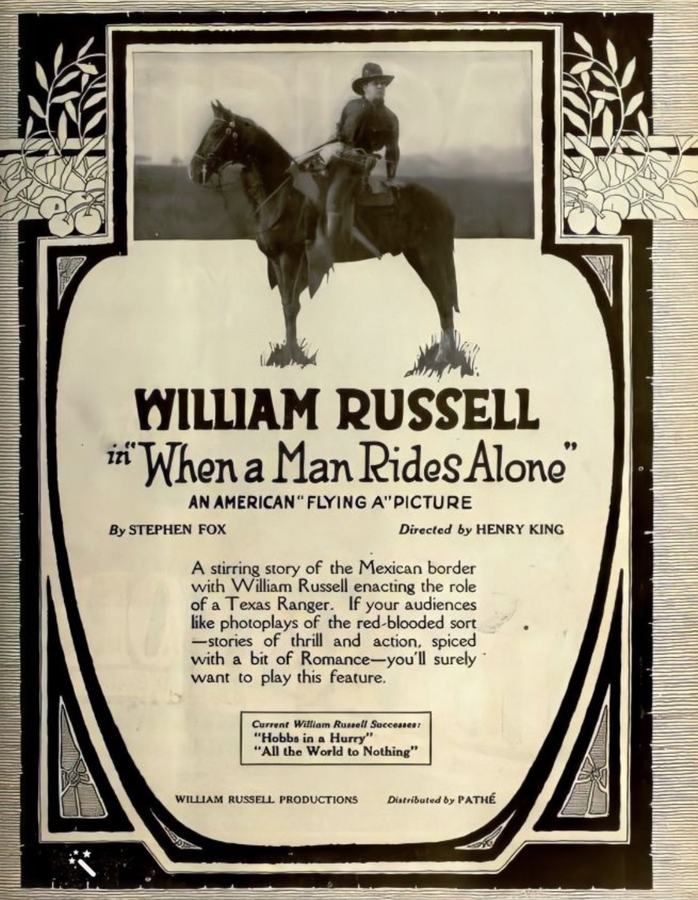
The silent era of cinema, often dismissed by casual viewers as a quaint precursor to modern film, was a crucible of narrative innovation, where visual storytelling reached an apex of expressive artistry. Among the myriad gems unearthed from this period, When a Man Rides Alone, a 1918 Western directed with a keen eye for both action and human drama, stands as a testament to the genre's nascent power. It’s a film that, even a century later, still pulsates with an undeniable energy, a vibrant tapestry woven from threads of heroism, betrayal, and an unexpected romance. This isn't just a historical artifact; it's a dynamic piece of early filmmaking that demands to be seen through a contemporary lens, appreciating its intricate plot and the compelling performances that bring its characters to life.
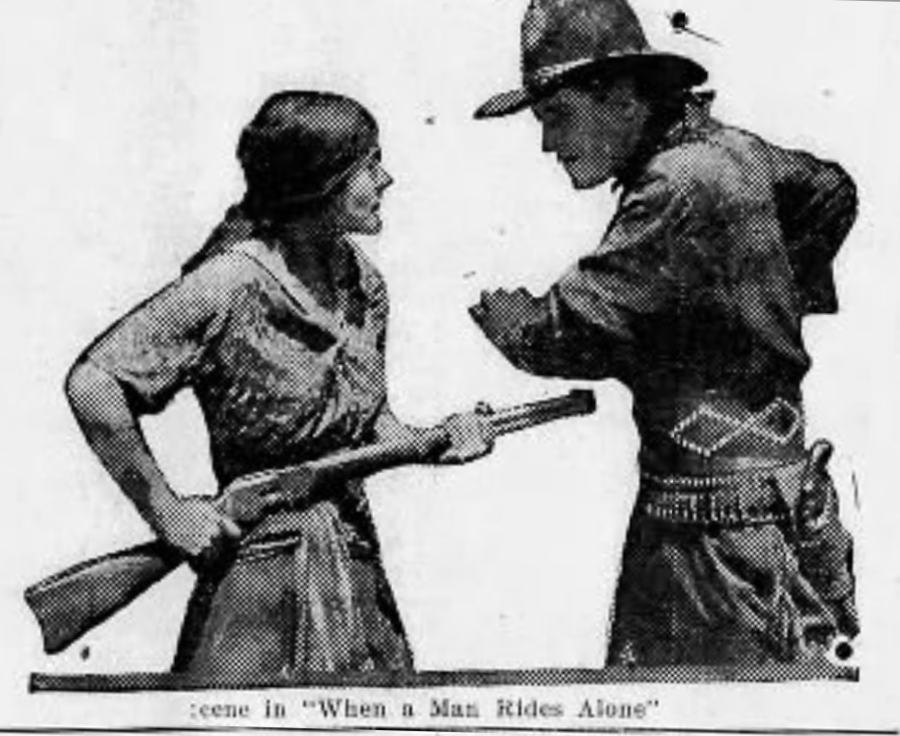
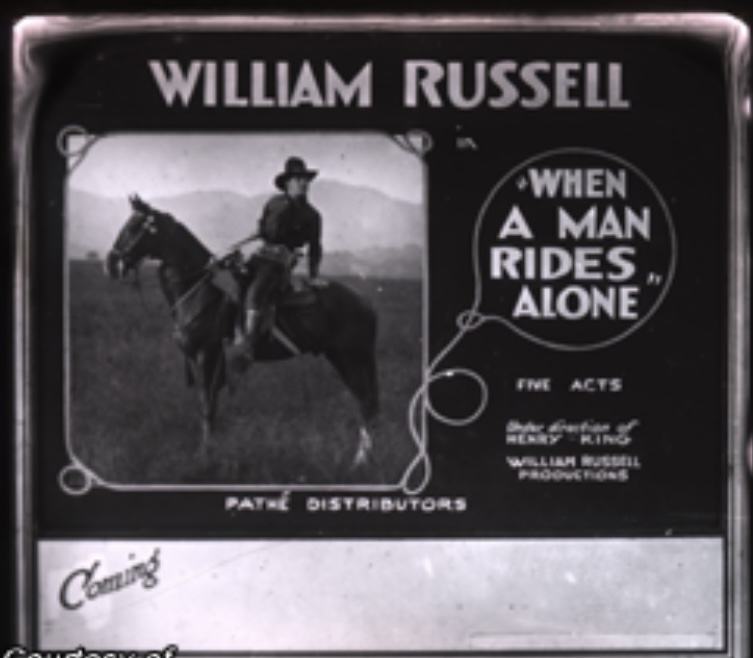
At its core, the film plunges us into the rugged world of Texas Ranger William Sykes, a figure of unwavering rectitude, aptly nicknamed “Captain Bonfire” – a moniker that perfectly encapsulates his fiery commitment to justice. Portrayed with a captivating blend of stoicism and underlying intensity by William Russell, Sykes is the quintessential Western hero: taciturn yet deeply principled, his actions speaking far louder than any words. Russell, a prominent star of the era, imbues Sykes with a quiet authority that anchors the entire narrative. His performance relies heavily on physical presence and subtle facial expressions, a masterclass in silent acting that conveys a wealth of emotion without uttering a single line. This is particularly evident in scenes where he must convey frustration, determination, or even burgeoning affection, all through the nuanced tilt of his head or the focused gaze of his eyes. The physical demands of the role, from horseback chases to confrontations, are met with an athletic grace that was characteristic of Russell’s appeal, establishing him as a compelling action lead.
The narrative ignites with a brazen gold shipment hijack, perpetrated by a ruthless band of Mexican bandits under the command of the aptly named “the Vulture.” Louis Cota, as the primary antagonist, delivers a performance that is both menacing and sly. The Vulture isn't merely a brute; he possesses a cunning intellect, a quality that makes him a far more formidable foe. His ability to manipulate perceptions and sow discord is a central driving force of the early plot, setting the stage for the dramatic misunderstandings that follow. Sykes and his posse, relentless in their pursuit, track the outlaws to the Moreno ranch, a seemingly innocuous setting that quickly becomes a crucible for deception and burgeoning conflict. It’s here that the Vulture’s true malevolence shines, as he masterfully convinces the rancher and his beautiful daughter, Guadalupe, that the American lawmen are nothing more than anti-Mexican marauders, intent on plunder and prejudice. This calculated lie is a brilliant narrative device, setting up the initial animosity that Guadalupe harbors towards William, and showcasing the potent power of misinformation.
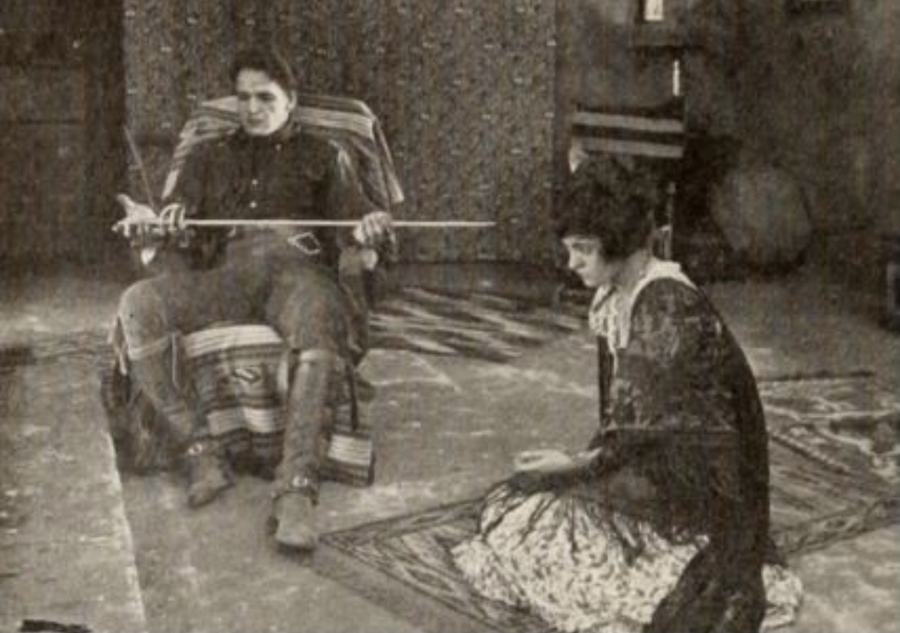
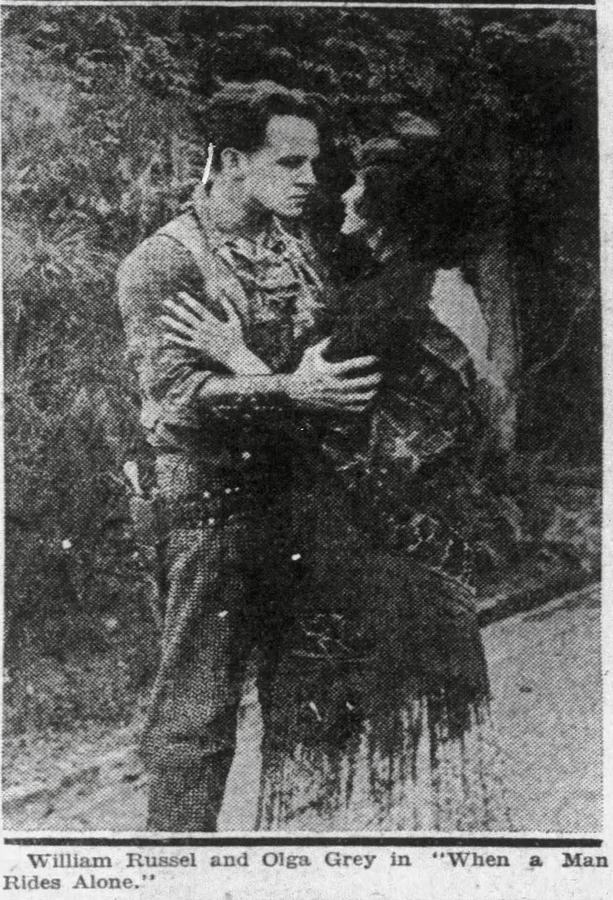
The character of Guadalupe, brought to vivacious life by Olga Grey, undergoes one of the most compelling transformations in the film. Initially, she is a woman consumed by a righteous anger, her loyalty to her community and her family blinding her to the truth. Her initial intent to kill William is not born of malice, but of a misguided sense of duty and a deeply ingrained prejudice fueled by the Vulture's lies. Grey’s portrayal captures this transition with remarkable sensitivity, allowing the audience to witness Guadalupe’s gradual realization, the slow erosion of her preconceived notions as she observes William’s true character. This arc, from antagonist to ally and ultimately to lover, is a foundational pillar of the film’s emotional resonance. It’s a testament to the script by Jules Furthman, a prolific writer who understood the economy of storytelling required for the silent screen. Furthman’s ability to craft intricate plots and develop characters through action and reaction, rather than extensive dialogue, is evident throughout. The blossoming romance between William and Guadalupe, born out of initial hostility and evolving into a deep mutual respect and affection, is handled with a delicate touch that feels remarkably authentic for the period. It echoes the cross-cultural romantic entanglements seen in other films of the era, though perhaps with a more direct and action-oriented resolution than some. One might find parallels in films like The Americano, where cultural clashes and misunderstandings similarly provide the backdrop for an unexpected love story.
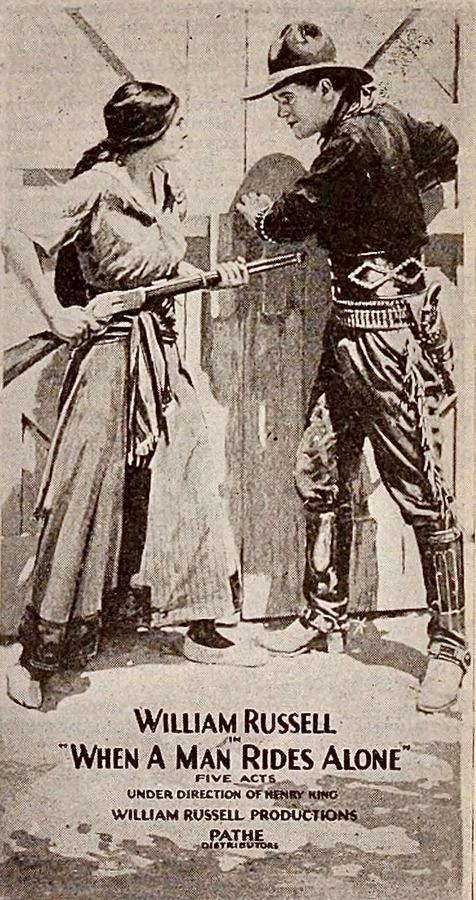
The film’s pacing is a masterclass in building tension and delivering exhilarating payoffs. The initial pursuit sets a rapid tempo, but the narrative cleverly slows down at the Moreno ranch, allowing for character development and the slow-burn romance to take root. This ebb and flow keeps the audience engaged, preventing the story from becoming a mere string of action sequences. The ingenious plot twist involving William’s faked death is a standout moment, showcasing both Guadalupe’s newfound cunning and her unwavering commitment to William. The staging of the mock burial, an act of calculated deception designed to lure the Vulture into a false sense of security, is executed with a theatrical flair that is both suspenseful and satisfying. It’s a classic narrative trope, certainly, but one that is deployed here with maximum effect, culminating in a thrilling ambush that delivers a decisive blow to the Vulture and his gang. The satisfaction derived from this moment is palpable, a testament to the effective build-up and the audience’s investment in the protagonists’ success. The inventive nature of this deception could be favorably compared to the intricate schemes and counter-schemes found in other action-oriented silent films, where cleverness often triumphed over brute force.
Beyond the central trio, the supporting cast provides solid contributions that flesh out the world of the film. Lule Warrenton, though not given extensive screen time, adds a layer of maternal warmth or perhaps stoic resilience to her role, contributing to the authenticity of the ranch setting. Similarly, the other members of the posse and the gang, including J. Gordon Russell and D. Mitsoras, fulfill their roles with conviction, creating a believable ensemble that supports the main narrative arc. The collaborative effort of these actors, communicating solely through gesture and expression, is a powerful reminder of the unique demands and triumphs of silent filmmaking. Each flicker of an eye, each subtle shift in posture, contributes to the overall emotional landscape of the story, allowing the audience to infer complex inner lives.
The cinematography, while adhering to the technical limitations of its time, still manages to capture the expansive beauty and harsh realities of the Western landscape. The wide-open spaces of Texas are not merely a backdrop; they are an integral character in the story, emphasizing the isolation, the freedom, and the inherent dangers of the frontier. The action sequences, particularly the horseback chases, are competently staged, conveying a sense of speed and peril that would have thrilled audiences of the era. These moments of kinetic energy are juxtaposed with more intimate scenes, often framed in medium shots that allow the actors’ expressions to dominate, creating a balanced visual experience. For a film released in 1918, the technical execution is commendable, demonstrating a growing sophistication in film language. It's interesting to consider how these early Westerns, like Fighting Mad, were laying the groundwork for the genre's enduring visual vocabulary, establishing conventions that would be refined and reinterpreted for decades to come.
The film’s conclusion, while providing a satisfying resolution to the immediate conflict, introduces a poignant note of bittersweet farewell. William, having restored order to his corner of the frontier, answers a higher call, departing to join the Allied troops embroiled in the Great War in France. This narrative choice, placing the events of the Western within the broader context of World War I, is particularly striking for a film released in 1918. It subtly links the localized struggle for justice with a global fight for freedom, imbuing William’s heroism with an even greater resonance. His promise to return for Guadalupe leaves the audience with a sense of hopeful anticipation, a romantic cliffhanger that speaks to the enduring power of their connection. This thematic tie to the war is a fascinating detail, reflecting the contemporary anxieties and patriotic fervor of the time. One can draw a thematic line to other films of the period that grappled with the war's impact, even if set in different genres, such as Bei unseren Helden an der Somme, which directly addressed the European conflict.
Ultimately, When a Man Rides Alone is far more than a simple Western; it’s a captivating exploration of loyalty, prejudice, redemption, and the transformative power of love. William Russell and Olga Grey deliver performances that transcend the limitations of the silent medium, creating characters with whom the audience can genuinely connect. The film’s narrative sophistication, thanks to Jules Furthman’s astute writing, ensures that it remains engaging from start to finish. It serves as a powerful reminder that the foundational elements of compelling storytelling – strong characters, intricate plots, and resonant themes – have always been at the heart of cinematic art, regardless of technological advancements. For anyone interested in the origins of the Western genre, the artistry of silent film, or simply a well-told adventure with a heartwarming romance, this neglected classic is an absolute must-see. It’s a testament to the enduring appeal of a hero who, indeed, rides alone, but finds companionship and purpose in the most unexpected of places, leaving an indelible mark on both the frontier and the heart.
IMDb —
1925
Community
Log in to comment.