DbcultAccessing Vault...
Cult Review
Senior Film Conservator
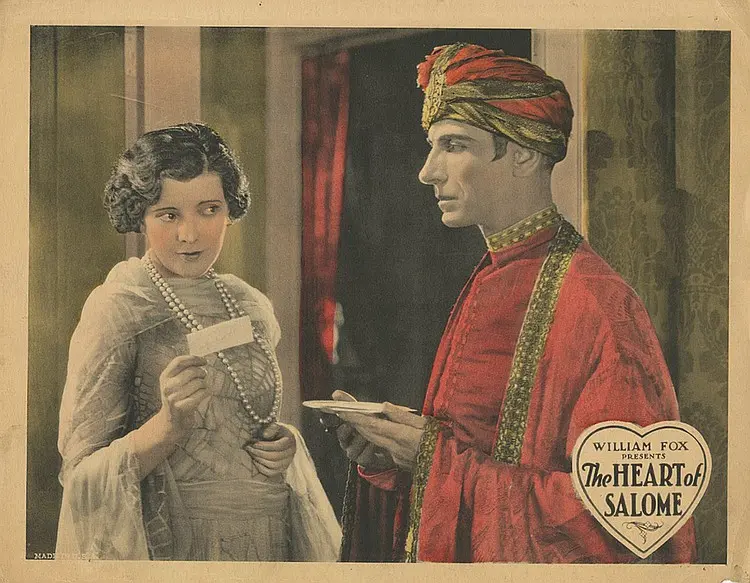
Is 'The Heart of Salome' a forgotten classic deserving of a modern rediscovery? Short answer: yes, but with significant caveats that demand a specific kind of viewer. This film is an essential watch for dedicated silent film scholars and those fascinated by the evolution of cinematic storytelling, particularly early character dramas. However, it will likely prove a challenging, if not frustrating, experience for casual viewers accustomed to contemporary narrative pacing and production values.
This film works because of Virginia Madison’s profoundly expressive central performance, which anchors the entire narrative with a raw, believable emotionality rarely seen in films of its vintage. It also succeeds in capturing a specific societal mood of its time, offering a fascinating glimpse into the moral complexities and gender roles prevalent in the early 20th century. Furthermore, its ambitious thematic scope, attempting to explore the very essence of a woman’s identity, elevates it beyond simple melodrama.
This film fails because of its often-uneven direction, which struggles to maintain narrative cohesion and consistent pacing, leaving some crucial plot points feeling rushed or underdeveloped. The supporting cast, while competent, frequently falls into the trap of over-the-top theatricality, detracting from Madison's more nuanced portrayal. Moreover, some of the film’s narrative resolutions feel too convenient, betraying the deeper emotional realism it occasionally achieves.
You should watch 'The Heart of Salome' if you possess a genuine appreciation for the artistry of silent cinema, particularly its unique acting styles and visual storytelling techniques. It’s also a compelling watch for those interested in the historical progression of character-driven dramas and the portrayal of women in early film. If you’re willing to engage with a film on its own terms, forgiving its period-specific limitations, then Salome’s heart might just capture yours.
'The Heart of Salome' is, at its core, a melodrama, a genre often derided but one that, in the silent era, provided a potent vehicle for exploring grand emotions and moral quandaries. Randall Faye, as writer, crafts a narrative that, while somewhat predictable by today’s standards, resonates with the emotional earnestness characteristic of its time. The film’s greatest strength lies in its unyielding focus on Salome’s interior world, a brave choice for a period often more concerned with external spectacle.
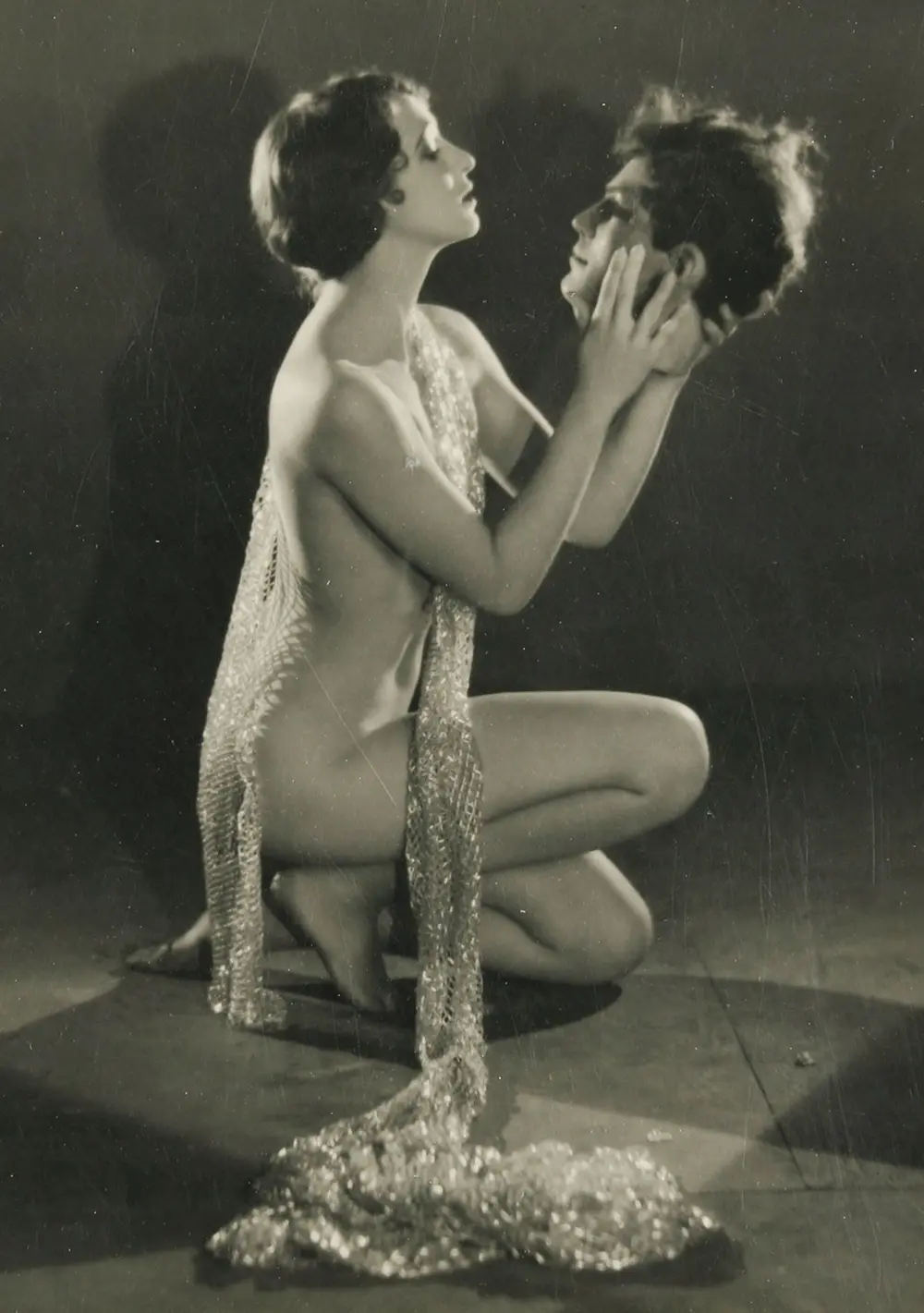
The film asks us to empathize with a woman facing profound personal and societal pressures. It’s a classic setup: a woman caught between expectation and desire, duty and genuine affection. This universal conflict ensures that even a century later, the core struggle remains relatable, despite the archaic trappings. The narrative, driven by Salome's choices and their often-tragic consequences, feels less like a series of events and more like a psychological unfolding.
Virginia Madison’s portrayal of Salome is nothing short of captivating. Her ability to convey profound inner turmoil through subtle shifts in gaze and delicate facial expressions, rather than exaggerated gestures, is a masterclass in silent expressionism. There’s a particular scene where Salome receives devastating news, and Madison simply lowers her eyes, a single tear tracing a path down her cheek – it’s a moment of understated power that speaks volumes, far more impactful than any dramatic collapse.
This nuanced performance stands in stark contrast to some of the broader, almost pantomimic styles adopted by other cast members. While Holmes Herbert delivers a suitably menacing villain, his performance occasionally borders on caricature, typical of the era's stage-influenced acting. Walter Pidgeon, in a supporting role, offers a glimpse of the charismatic presence he would later perfect, but here he’s somewhat constrained by the film’s melodramatic conventions. Madison, however, transcends these limitations, delivering a performance that feels genuinely modern in its emotional depth.
Randall Faye’s direction, while occasionally innovative in its use of close-ups to emphasize Salome’s emotional state, often struggles with maintaining consistent tension and narrative clarity. There’s a sequence involving a desperate escape that, despite its potential for thrills, feels oddly inert due to static camera placement and an over-reliance on intertitles to explain action rather than show it. This highlights a common challenge of the era: balancing the theatricality of stage with the emerging language of cinema.
Faye demonstrates a promising eye for composition in certain moments, particularly in the dramatically lit interiors that highlight Salome’s isolation. Yet, the overall pacing is undeniably uneven. The film oscillates between moments of intense emotional intimacy and stretches of exposition that drag, disrupting the flow. It’s a film that often feels like it’s finding its footing, experimenting with what cinema could be, rather than confidently executing a vision.
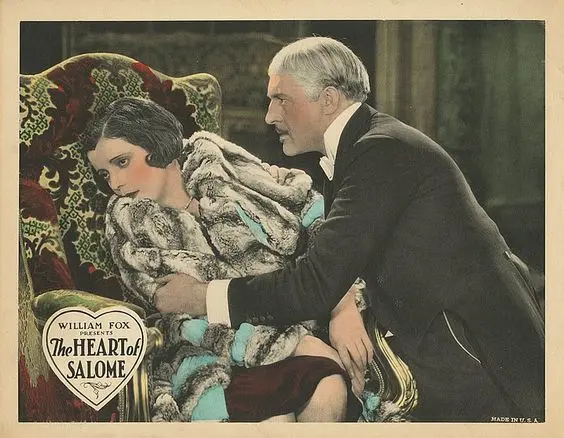
The cinematography, while not groundbreaking, effectively utilizes the tools of the silent era to create mood and atmosphere. The use of light and shadow, especially in the dramatically lit interiors, is striking. One cannot forget the stark chiaroscuro of Salome’s bedroom, emphasizing her confinement and despair, a technique that, while not fully realized to the extent of a film like The Cabinet of Dr. Caligari, hints at the burgeoning influence of German Expressionism.
Intertitles, an essential component of silent film storytelling, are used extensively here. While some effectively bridge narrative gaps or offer poignant insights into Salome’s thoughts, others feel clunky, over-explaining scenes that could have been conveyed visually. The film's reliance on text sometimes undermines the power of its visual storytelling, a common pitfall of early cinema trying to articulate complex emotional states without spoken dialogue.
Pacing is perhaps the most divisive aspect of 'The Heart of Salome' for modern audiences. The film unfolds with a deliberate, almost languid rhythm that requires patience. Scenes are often extended, allowing for a full appreciation of the actors' pantomime and emotional displays. For those accustomed to the rapid-fire editing and constant narrative propulsion of contemporary films, this can feel like a test of endurance.
Yet, within this slower pace, there’s a unique opportunity for immersion. It forces the viewer to slow down, to truly observe the subtle gestures, the elaborate sets, and the carefully constructed compositions. It’s a different kind of cinematic engagement, one that rewards contemplation over instant gratification. However, even within the context of its era, some sequences simply outstay their welcome, contributing to the film's overall unevenness.
Yes, 'The Heart of Salome' is absolutely worth watching today, but with a significant asterisk. It's not a film for everyone. It works. But it’s flawed. This is a film for the dedicated cinephile, the silent film enthusiast, or anyone with a keen interest in the historical development of cinema.
It offers a crucial window into early 20th-century storytelling, acting conventions, and societal norms. While its narrative structure and pacing might feel dated, Virginia Madison's central performance is a timeless beacon of emotional honesty that transcends its era. It's a challenging watch, but a rewarding one for those willing to meet it on its own terms.
'The Heart of Salome' is a fascinating, if imperfect, relic of the silent era. Its true value lies less in its narrative ingenuity and more in its historical significance and the raw, compelling performance by Virginia Madison. She is the beating heart of this film, elevating what could have been a forgotten melodrama into a noteworthy character study. While its directorial choices and pacing might feel archaic to contemporary viewers, and some supporting roles verge on the anachronistic, the film offers a rare glimpse into the emotional landscape of early cinema. It’s a demanding watch, yes, but for those with the patience and the passion for cinematic history, Salome’s journey offers a unique and often moving experience. It is a testament to the enduring power of human emotion, even when conveyed in silence.
IMDb 6.4
1927
Community
Log in to comment.