DbcultAccessing Vault...
3.8/10
Senior Film Conservator
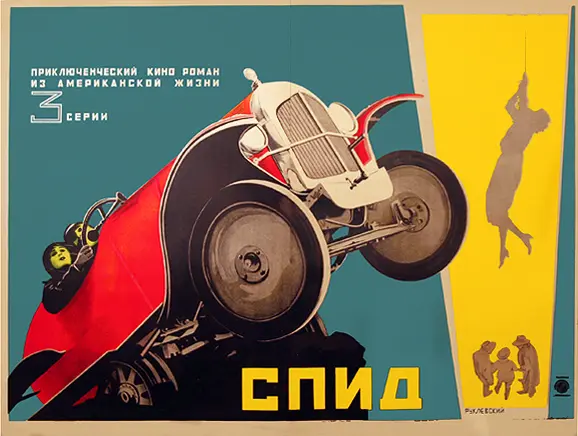
A definitive 3.8/10 rating for a film that redefined the boundaries of cult cinema. Speed remains a cornerstone of transgressive art.
Is Speed (1927) worth watching today? Short answer: yes, but only if you view it as a historical blueprint for the 'hero dog' subgenre rather than a high-octane thriller by modern standards.
This film is specifically for silent cinema enthusiasts and those interested in the 'Poverty Row' history of Hollywood. It is definitely NOT for viewers who require complex dialogue, high-definition spectacle, or a plot that doesn't rely on the convenient intelligence of a canine protagonist.
1) This film works because it understands the inherent charisma of its animal star, Lightning the Dog, who provides a more consistent emotional anchor than the human cast.
2) This film fails because the narrative relies on incredibly thin coincidences and a villain whose motivations are never explored beyond basic greed.
3) You should watch it if you want to see how 1920s filmmakers managed to create tension with minimal resources and maximum physical stunt work.
Speed (1927) arrived at the tail end of the silent era, a time when audiences were beginning to grow weary of the standard melodrama and were hungry for action. Directed with a utilitarian focus by Duke Worne and written by Sam Efrus, the film doesn't waste time on philosophical musings. It is a meat-and-potatoes crime story that centers on the Van Gort jewels—a MacGuffin that exists solely to get our characters into the same room. Unlike more atmospheric European films of the same year, such as I Have Killed, Speed is concerned with movement over mood.
The plot is a standard 'Secret Service vs. The Syndicate' setup. We see Francis Fontyne, played with a sneering efficiency by Edward Cecil, trying to stay one step ahead of the law. The introduction of Jean Hillis (Eileen Sedgwick) provides a refreshing female lead for the era. She isn't just a bystander; she is an agent with her own 'wonder dog.' This dynamic was clearly inspired by the massive success of Rin Tin Tin, but Speed manages to carve out its own niche by integrating the dog into the tactical elements of the investigation.
While Eileen Sedgwick was a seasoned veteran of serials like The Grip of Evil, she is frequently upstaged by Lightning. In the scene where Detective Bryce is abducted, the camera focuses heavily on the dog’s reaction. The way the animal tracks the scent and communicates urgency to the human characters is a testament to the training methods of the 1920s. It is also a debatable point whether the dog is actually 'acting' or if the editing is doing all the heavy lifting. I would argue it's a bit of both. The dog has a physical presence that the human actors, often stuck in the exaggerated pantomime style of the time, struggle to match.
There is a specific moment when Lightnin' has to navigate a series of obstacles to find Jean after she is misled by her maid. The cinematography here is surprisingly fluid for a low-budget production. The camera follows the dog at a low angle, creating a sense of urgency that justifies the film's title. It’s a grounded, gritty approach that stands in contrast to the more stylized visuals found in films like Parisette.
The human antagonists are, unfortunately, the weakest link. Francis Fontyne is a one-dimensional thief. There is no nuance to his criminality. In modern cinema, we expect a villain to have a 'why,' but here, the 'why' is simply that the script needs a bad guy. This makes the stakes feel lower than they should. When Jean is betrayed by her maid, the twist feels telegraphed from the first five minutes. The maid’s performance is so obviously 'shifty' that you wonder how a trained Secret Service agent could be so blind. It’s a classic case of the plot requiring a character to be incompetent so that the dog can save the day later.
Tom Haldane, the rookie agent played by Hal Water, serves as the audience surrogate. He is the one who needs things explained to him, which allows the film to use intertitles to clarify the plot. His chemistry with Sedgwick is serviceable, but it lacks the spark seen in contemporary romantic dramas. They feel like colleagues who happen to be in the same frame, rather than partners in a life-or-death struggle. Compared to the gender dynamics in No Man's Woman, Speed feels somewhat regressive, despite Jean's professional status.
For a film titled 'Speed,' the first act is surprisingly slow. It takes a significant amount of time to establish the history of the jewels and the various players. However, once the abduction of Bryce occurs, the film shifts gears. The editing becomes more aggressive, and the use of outdoor locations provides a much-needed sense of scale. The 'Poverty Row' origins of the film are evident in the sparse interior sets, which look like they were recycled from a dozen other silent shorts. But the outdoor chase sequences are where the film finds its heart.
The cinematography by an uncredited cameraman uses natural light to great effect during the tracking scenes. There is a raw, unpolished quality to the forest sequences that makes the danger feel more immediate. It doesn't have the artistic pretension of The Living Image, or the Lady of Petrograd, but it has a functional clarity that works for an action film. The camera isn't trying to be poetic; it’s trying to keep up with the dog.
Yes, Speed (1927) is worth watching for anyone interested in the evolution of action tropes. It provides a clear link between the early serials and the more sophisticated police procedurals that would follow in the sound era. While the plot is predictable, the physical performance of the animal star and the earnestness of the production make it a charming, if flawed, experience. It is a short, punchy reminder of what 'thrills' looked like a century ago.
Pros:
Cons:
Speed (1927) is a fascinating piece of pulp history. It doesn't aim for the heights of high art, and it certainly doesn't achieve them. Instead, it delivers exactly what its title promises: a fast-moving, unpretentious adventure. The dog is the star, the humans are the props, and the jewels are just an excuse for a chase. It works. But it’s flawed. If you can forgive the primitive storytelling, you’ll find a film that is surprisingly modern in its construction of the 'man's best friend' mythos. It’s a B-movie from an era before that term was even fully codified, and for that alone, it deserves a look.
IMDb —
1915
Community
Log in to comment.