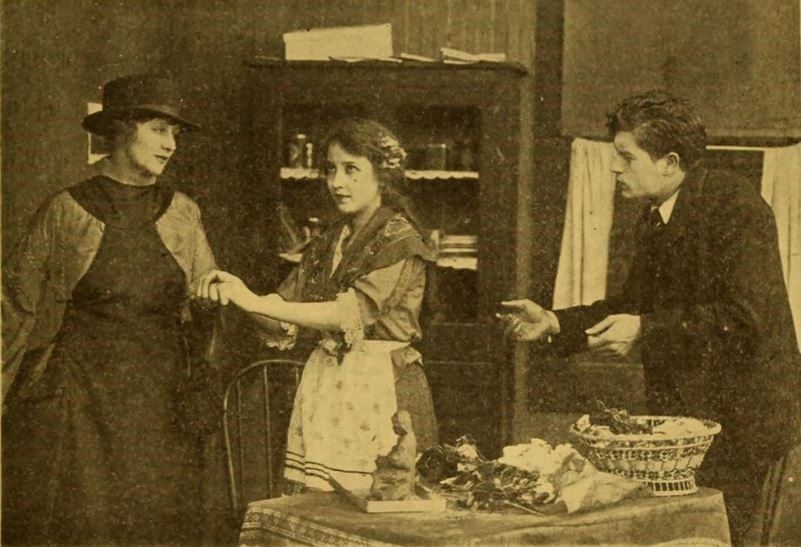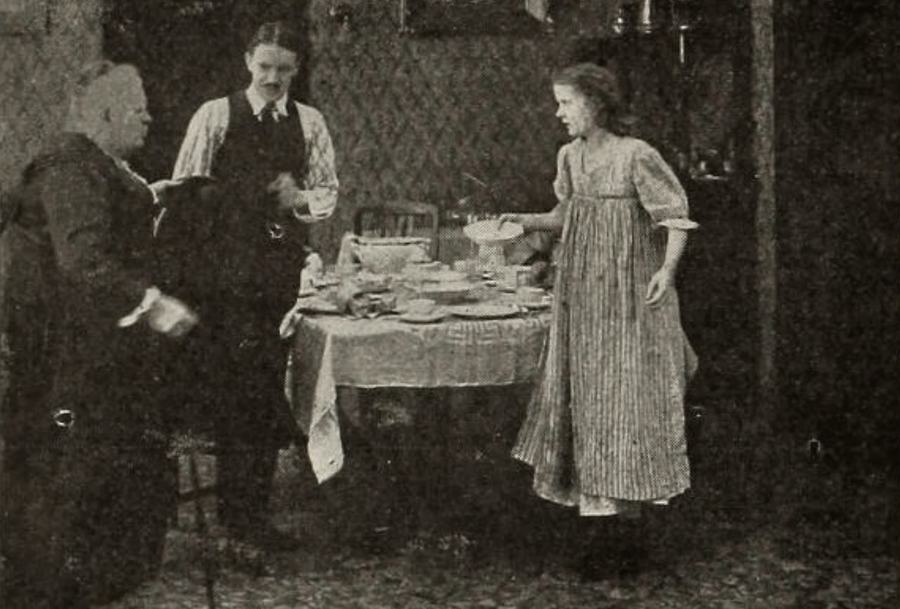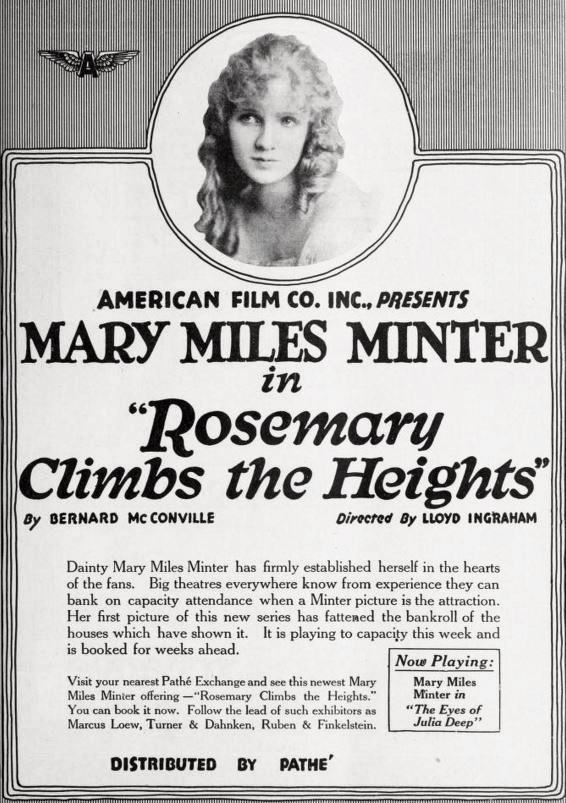
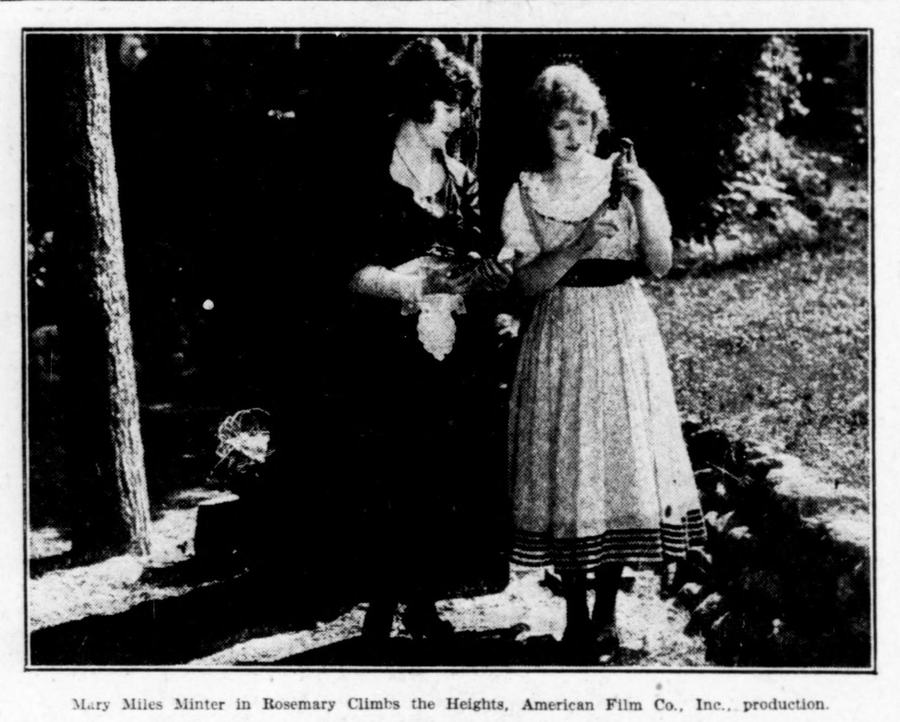
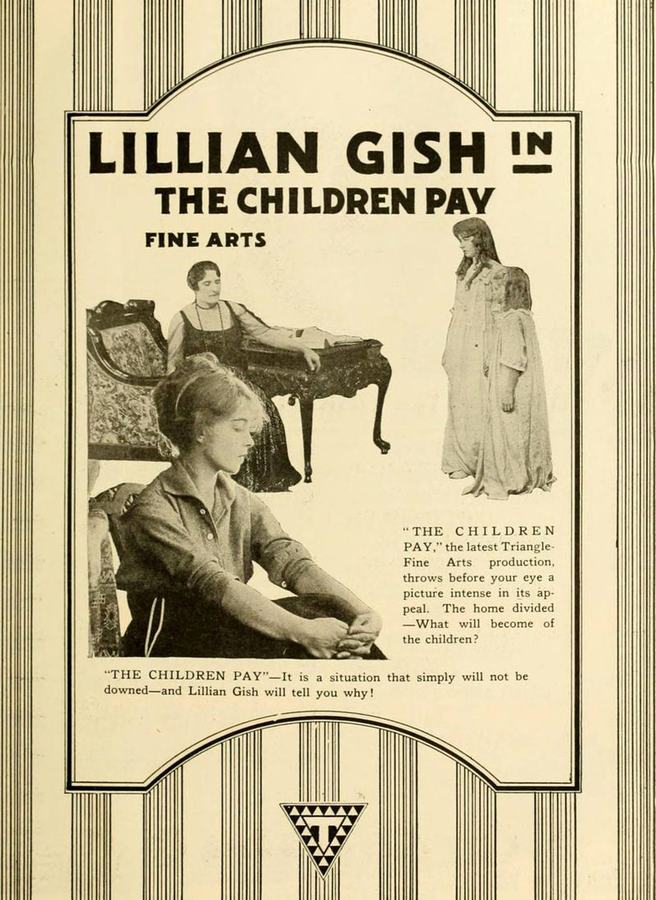
Rosemary van Voort lives in the countryside with her elderly Dutch parents. She carves beautiful wooden dolls, and her work catches the eye of a group of artists who are having a picnic in the area.
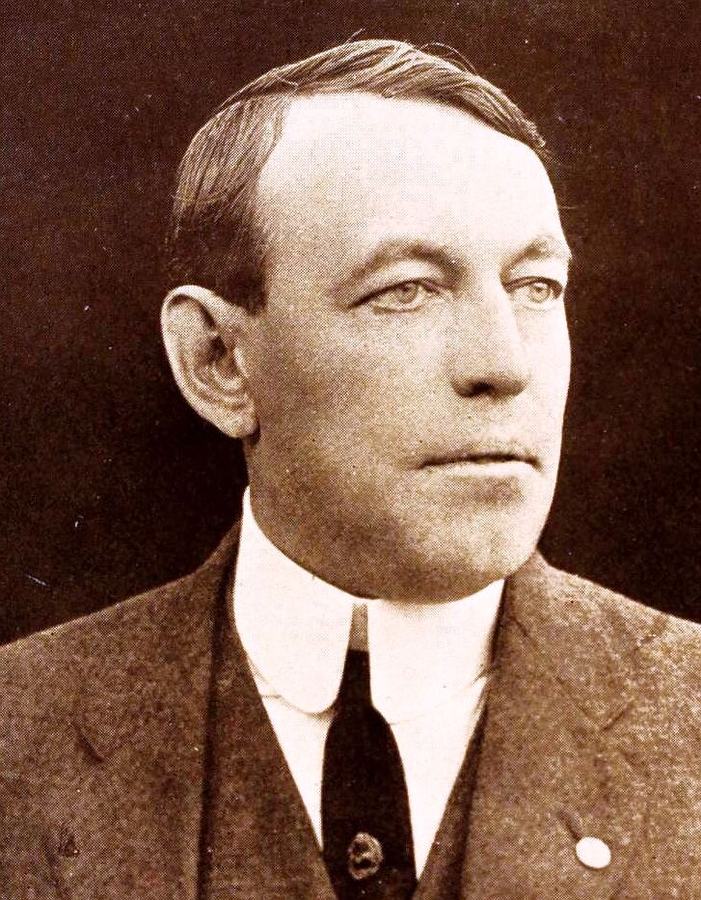
Bernard McConville, Daniel F. Whitcomb
United States
Imagine, if you will, a canvas so deftly daubed with pastoral ennui that even the clouds seem to gossip. Rosemary van Voort’s first frames feel like stepping inside a Brueghel brushed with silver nitrate—every fence post, every lace collar, exhales pre-war stillness. The camera lingers on her workbench: curls of wood...
still_frame
Comparing the cinematic DNA and archive impact of two defining moments in cult history.
Lloyd Ingraham
Lloyd Ingraham
Community
Log in to comment.
" Imagine, if you will, a canvas so deftly daubed with pastoral ennui that even the clouds seem to gossip. Rosemary van Voort’s first frames feel like stepping inside a Brueghel brushed with silver nitrate—every fence post, every lace collar, exhales pre-war stillness. The camera lingers on her workbench: curls of wood drifting like amber snow, while her fingers coax life from dead timber. The kinesthetic poetry of chisel striking grain is caught in lingering close-ups, a tactile hymn rare for 1..."
Deep dive into the cult classic
Discover similar cinematic experiences
A Directorial Spotlight on Lloyd Ingraham