DbcultAccessing Vault...
Cult Review
Senior Film Conservator
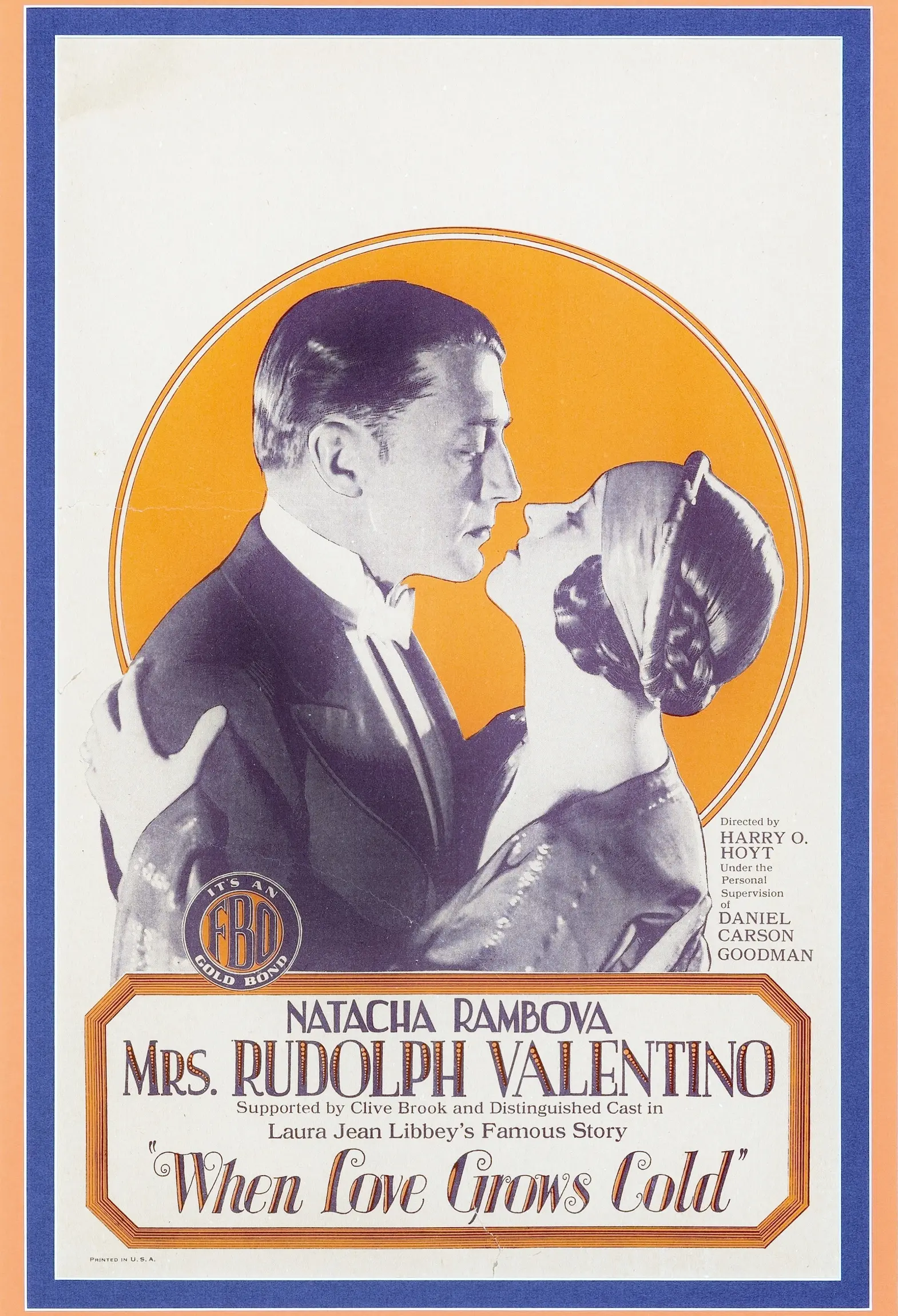
Does this century-old melodrama still hold a mirror to modern obsession? Short answer: yes, but only if you appreciate the slow-burn psychological erosion characteristic of the silent era. This film is for those who enjoy character studies about the cost of ambition and the darker side of the American Dream. It is absolutely not for viewers who require rapid-fire editing or contemporary pacing.
This film works because it treats the central conflict not as a simple case of infidelity, but as a systematic dismantling of a woman’s agency by a powerful man. This film fails because Jerry is such a remarkably weak protagonist that it becomes difficult to remain invested in his survival. You should watch it if you want to see Natacha Rambova prove she was far more than just Rudolph Valentino’s wife.
When Love Grows Cold is a fascinating relic that survives on the strength of its performances rather than the complexity of its plot. If you are a student of 1920s cinema, it offers a distinct contrast to the more adventurous fare of the time, such as The Last Frontier. It is a domestic tragedy that feels claustrophobic in its focus. For the casual viewer, it might feel laborious. For the cinephile, it is a necessary study in how early cinema handled the concept of the 'femme fatale' in reverse—here, the man is the spider, and the woman is the fly.
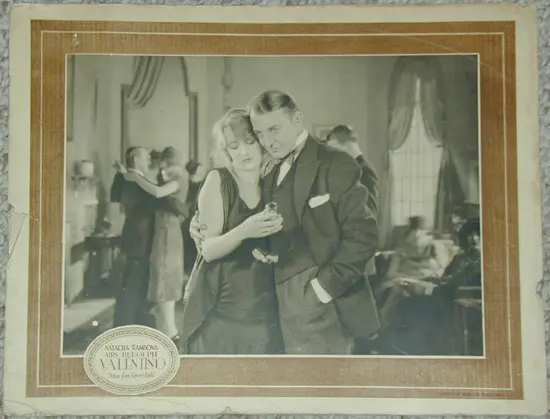
The film’s greatest strength lies in its depiction of William Graves. Sam Hardy plays Graves with a chilling, corporate coldness that feels surprisingly modern. In the scene where he first observes Margaret in his office, the camera lingers on his gaze just a second too long. It isn't a look of love; it is a look of acquisition. He views her exactly like Jerry’s invention—a patent to be bought, owned, and eventually exploited.
This predatory dynamic is far more interesting than the central romance. Jerry, played by Russell Griffin, is a man whose primary trait is his inadequacy. He is the 'inventor' who cannot sell, the 'husband' who cannot protect, and the 'man' who is easily led astray. His weakness is the engine of the plot. It works. But it’s flawed. The film asks us to care about his redemption, yet he does very little to earn it.
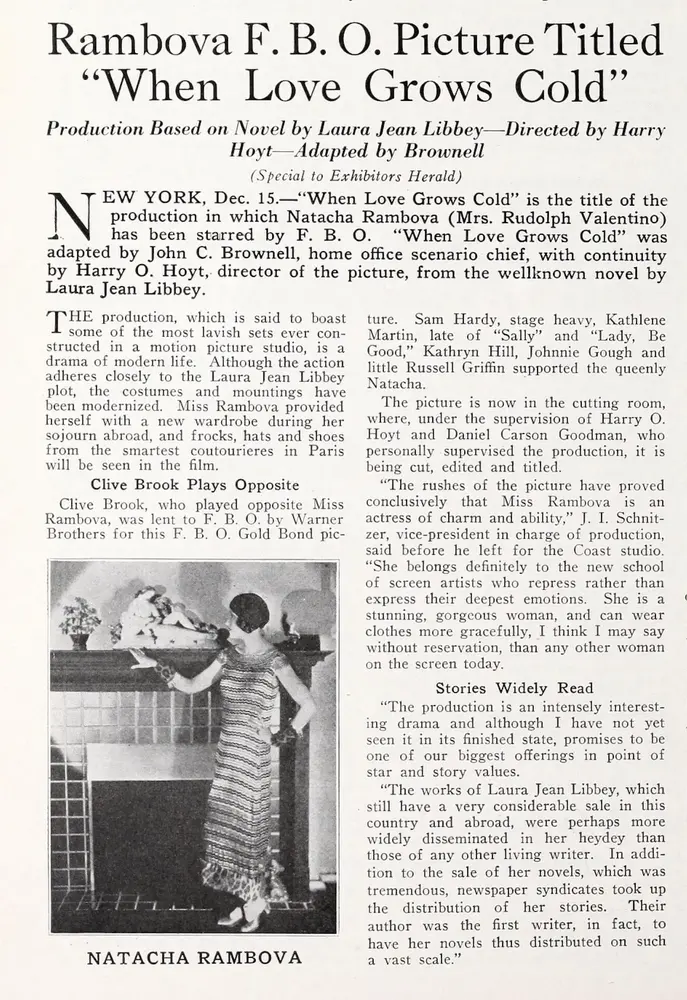
Natacha Rambova is the soul of the production. Having given up her career for the domestic sphere, her character Margaret embodies the stifled potential of many women of the era. There is a specific moment when she stands in her new, lavish home—funded by the very man trying to destroy her—where her expression shifts from pride to a dawning realization of her own entrapment. Her movements are deliberate and theatrical, a nod to her character’s stage background, yet she avoids the over-the-top gesticulation that plagued many silent films like Isterzannye dushi.
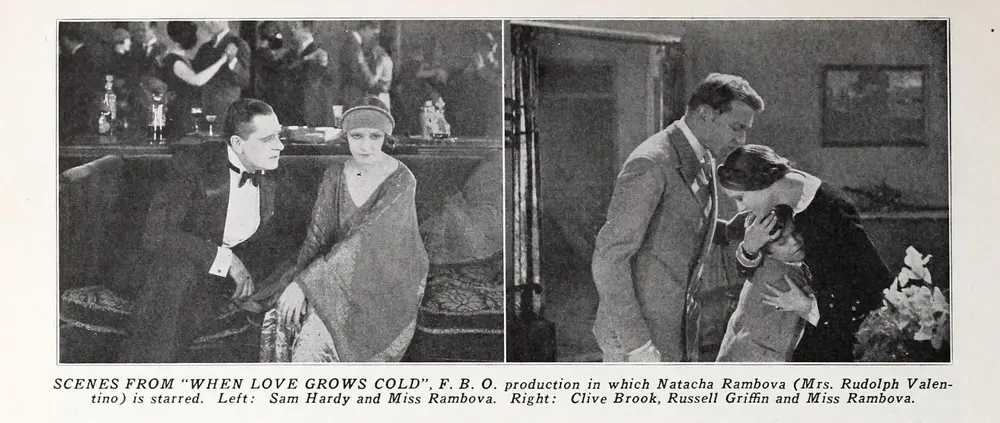
The contrast between Margaret and Gloria, the 'Broadway floozy,' is handled with a heavy hand. Gloria is the archetype of the era’s moral panic—a woman who uses her sexuality as a tool for hire. While this trope is dated, it provides a sharp counterpoint to Margaret’s attempted dignity. The scenes where Gloria is coached by Graves to seduce Jerry are some of the most uncomfortable in the film, highlighting the sheer cruelty of Graves’ scheme.
Director Harry O. Hoyt, who would later be known for more ambitious spectacles, keeps the camera grounded here. The cinematography is functional but lacks the poetic flair seen in Pampered Youth. However, the use of interior space is effective. The Benson home begins as a cramped, hopeful space and expands into a cold, cavernous mansion that reflects the title’s metaphor. As their wealth grows, the physical distance between Margaret and Jerry in the frame increases.
The pacing in the second act is where the film struggles. The 'swindle' takes a significant amount of screen time to develop, and the intertitles occasionally over-explain what the actors are already conveying through their eyes. It’s a common issue in mid-20s dramas, but here it feels particularly draggy because the audience is usually three steps ahead of Jerry’s realization of the plot against him.
One surprising observation is how the film critiques the oil industry and the power of the executive class. William Graves isn't just a romantic rival; he is a representation of unchecked corporate power. He uses his capital to buy people’s lives. This makes the film feel more like a precursor to the cynical noir films of the 1940s than a standard Victorian-style melodrama like The Payment.
The 'invention' itself is almost irrelevant—it’s a MacGuffin. What matters is the leverage it provides. When Graves realizes he can’t buy Margaret’s love, he decides to destroy the foundation of her life so that he is the only thing left standing. It is a brutal, scorched-earth policy of the heart that feels remarkably dark for a film of this vintage.
Pros:
- Strong, nuanced lead performance by Rambova.
- A darker-than-average take on the 'jealous husband' trope.
- Effective use of set design to mirror character isolation.
- A compelling, truly detestable villain.
Cons:
- Pacing issues in the middle act.
- Over-reliance on repetitive intertitles.
- The protagonist is often too oblivious to be sympathetic.
When Love Grows Cold is not a 'masterpiece' in the traditional sense, but it is a sharp, jagged piece of silent cinema that refuses to play nice. It exposes the rot underneath the gold-plated success of the 1920s. While Jerry is a weak link, the power struggle between Margaret and Graves is worth the price of admission. It’s a film about how easily love can be commodified, and how quickly it freezes when the money runs out. It is a cautionary tale that still carries a bite.

IMDb 7.1
1934
Community
Log in to comment.