DbcultAccessing Vault...
6.2/10
Senior Film Conservator
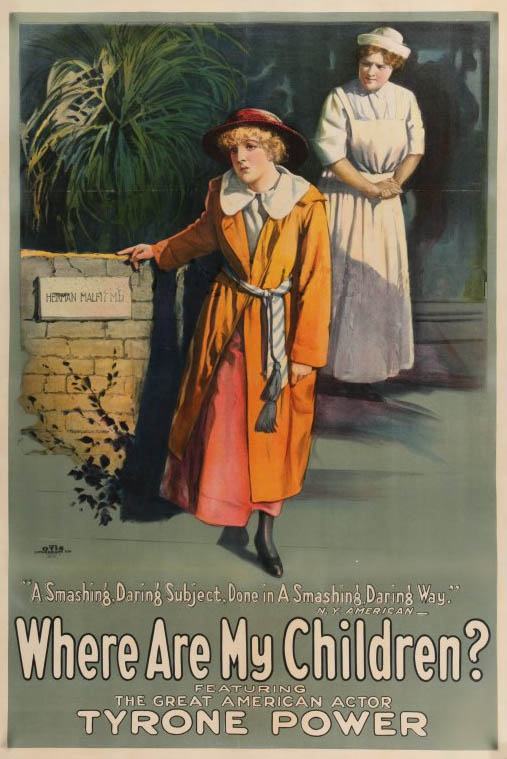
A definitive 6.2/10 rating for a film that redefined the boundaries of cult cinema. Where Are My Children? remains a cornerstone of transgressive art.
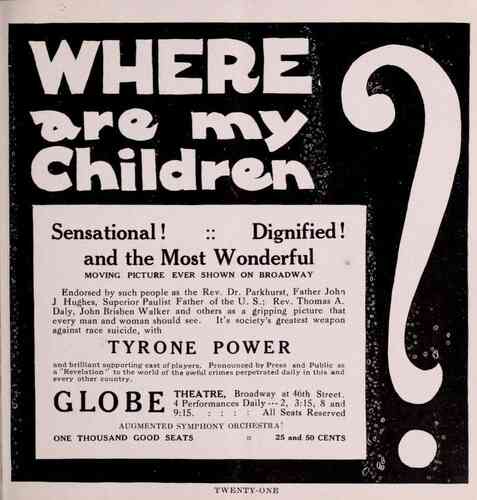
A cathedral of celluloid guilt, Where Are My Children? detonates a century-old conversation that America still flinches from naming.
The first time I watched Lois Weber’s 1916 hand-grenade, the projector bulb popped mid-reel, as if the film itself refused to be stared down. Re-watching a 4K restoration flickering on my laptop at 2 a.m.—the fan humming like a distant suction pump—I felt the same jolt: this is not a relic; it is a live wire.
We open on a charity bazaar: lace, eugenics pamphlets, and a brass band that toots patriotic marches while matrons auction “future citizens.” Enter the District Attorney (William J. Hope), a man whose cheekbones could slice federal subpoenas. He sermonizes against abortionists, equating them with Kaiser Wilhelm’s saboteurs. His wife (Mary MacLaren), a porcelain beauty with eyes like bruised violets, smiles on cue, but her gloves twitch—a Hitchcockian tell decades ahead of Vertigo.
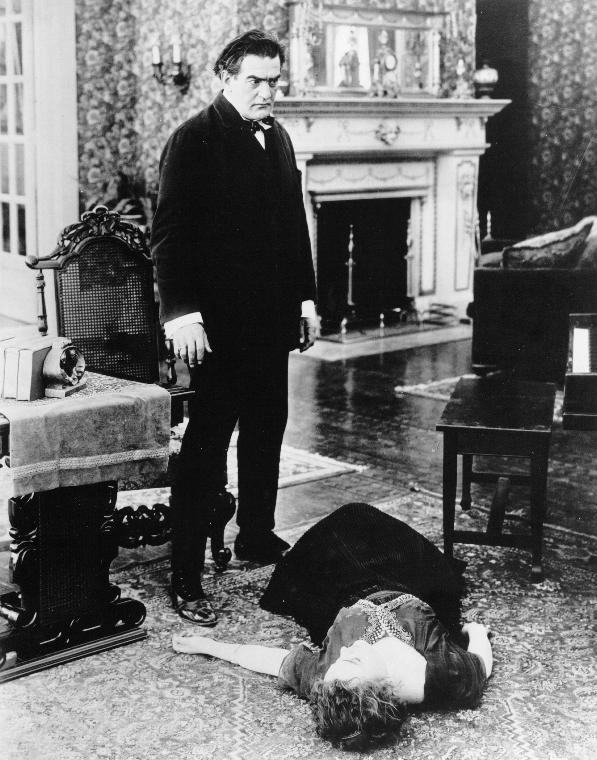
Through nested flashbacks, Weber excavates the strata of complicity: a frightened immigrant maid (Marie Walcamp) poisoned by patent-medicine promises; a society doctor (Tyrone Power Sr.) who signs autographs between D&C curettages; a ledger of names coded in Greek to protect the genteel. The camera lingers on a child-sized empty chair, its shadow stretching like a gallows.
When the DA discovers his spouse’s own clandestine prescription—stashed inside a perfumed billet-doux—the film ruptures. No tearful confrontation; instead, Weber cuts to a chilling tableau: the couple’s grand parlor, now cavernous, the wallpaper’s peacock feathers mutated into accusatory eyes. Silence swells until the husband’s monocle drops, shattering with the symbolic finality of a broken hymen.
Cinematographer Dal Clawson treats every interior like a diorama of repression. Parlor scenes bloom in over-exposed whites—ivory lace, piano keys, cocaine-powdered faces—until the lens follows a trembling maid down a servant staircase into umber shadows. The tonal flip is so abrupt you can almost smell carbolic acid replacing rosewater. Compare this to The Curious Conduct of Judge Legarde, where courtroom light stays uniformly chiaroscuro; Weber weaponizes brightness as moral blindness.
She also pioneers the macro-close-up: a spoon stirring laudanum dissolves into a full-screen whirlpool, prefiguring the liquid black hole of 2001’s Star Gate. A child’s porcelain doll, cracked across the skull, fills the frame—its fracture line mirroring the wife’s psyche. These proto-Kubrickian moments land harder because 1916 audiences had never seen pores, let alone guilt, in 40-foot magnification.
The lack of sync sound is weaponized. During the inquest, intertitles appear sporadically, leaving long stretches of pantomime where breathing becomes audible in your own head. I found myself leaning forward, straining to catch the rustle of a cotton petticoat—Weber turns the viewer into an eavesdropper on history’s dirty linen. Contrast this with Madame Butterfly (1915), which cushions tragedy with Puccini leitmotifs; Weber denies catharsis until the final iris-out.
Mary MacLaren does not act; she haunts. Watch the way her fingers flutter after signing the physician’s visitor book—half benediction, half surrender. The gesture lasts maybe twelve frames, yet it encapsulates the entire suffrage-era bind: autonomy purchased with self-erasure.
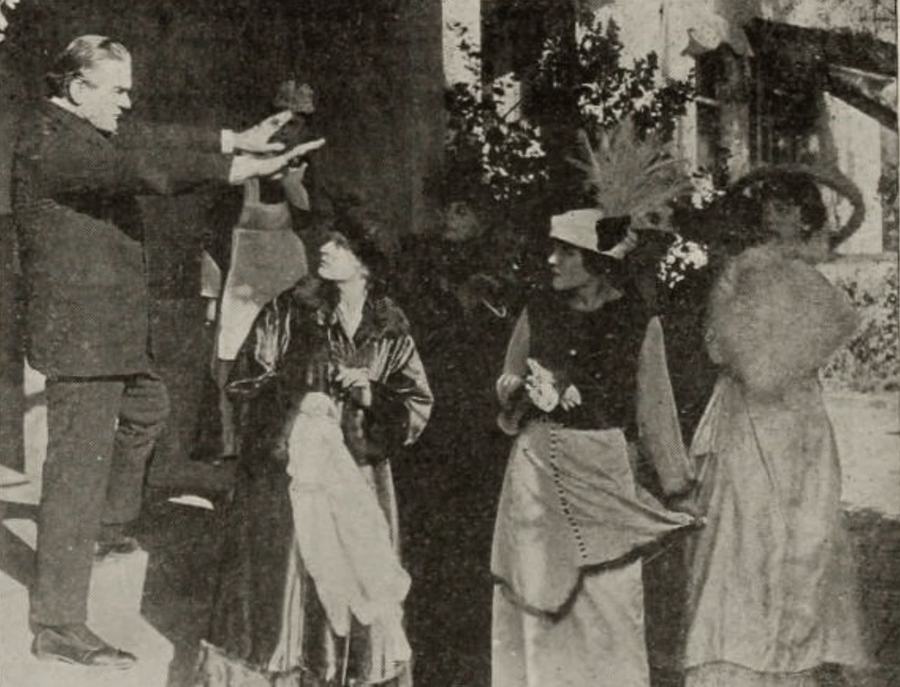
William J. Hope, saddled with the film’s moralizing mouthpiece, sidesteps caricature by letting micro-twitches betray his zealotry. When he brandishes a fetus-shaped wax model in court, his eyes glint not with righteous fire but with voyeuristic thrill—think Travis Bickle presenting a .44 to the mirror.
Special mention to Juan de la Cruz as the immigrant husband whose wife bleeds out on a kitchen table: his wail is silent, yet the contortion of his torso—an origami of grief—could level city halls.
Released months before Margaret Sanger’s first clinic, the film triggered nationwide bans. Pennsylvania’s Board of Censors excised two entire reels, claiming the surgery scene “taught the crime.” Weber fought back, mailing 16mm snippets to women’s clubs with lecture notes titled Is Your Body State Property?—viral marketing before the term existed.
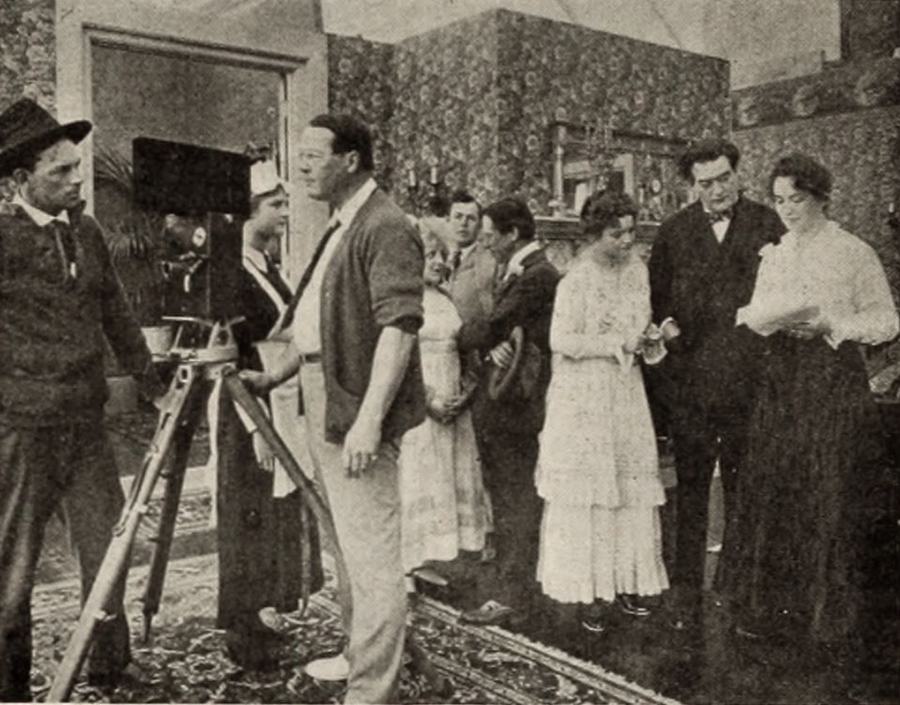
Yet the film’s own class bias shows: the working bodies of maids and sex workers are dissected for spectacle, while society wives escape to European “rest cures.” Even in its radicalism, Where Are My Children? perpetuates a bifurcated sisterhood that later split first-wave feminism. Compare the cross-class solidarity imagined in Kentucky Brothers—a lesser-known melodrama but ideologically more democratic.
Streaming the film the week Roe v. Wade was overturned felt like staring at a palantír that refuses palliative fog. The DA’s courtroom rhetoric—"the unborn must have agents"—echoes verbatim in 2022 amicus briefs. Weber’s ghost hovers, whispering, "I warned you about the cyclical purge of rights."
Meanwhile, tech-utopian startups now market "fertility tracking apps" that data-mine menstrual cycles for venture capital—same ledger, new parchment. The film anticipits this techno-patriarchy: the physician’s coded logbook is merely an analog ancestor of cloud-stored ovulation metrics.
Scholars often twin this film with The Eternal Law for their shared religious angst, but that comparison is shallow. Eternal Law moralizes through divine retribution; Weber indicts systemic hypocrisy. A better echo is found in One Wonderful Night, where a single night of illicit passion unravels dynasties—both films compress epochs of repression into tight temporal frames.
For tonal siblingry, seek The Suburban (1915), another Weber essay on respectability rot, though it sugarcoats with farce. Where Are My Children? refuses the salve of laughter.
The closing shot—a vacant nursery, rocking horse creaking in phantom breeze—lingers for an uncomfortable eternity, then fades to black without end cards. Weber denies us statistics, calls to action, or hope. The absence is the argument: in the vacuum of choice, the rocking will never stop.
I replayed that last forty-foot loop ten times, headphones cupped, until my neighbor banged on the wall. Somewhere between the sixth and seventh iteration, the creak synced with my own pulse, and I understood: this is not a film you watch; it is a film that watches you, waiting for your inaction to corrode into complicity.
One hundred and eight years on, the question mark in the title still drips acid. It’s no longer just a rhetical plea from patriarchal lips; it’s a challenge hurled at every spectator: whose children are missing from the polis, and who profits from their silence?
Grade: A+ scald. Watch with ice water nearby—you’ll need to cool the burn.
IMDb 5.4
1936
Community
Log in to comment.