DbcultAccessing Vault...
6.2/10
Senior Film Conservator
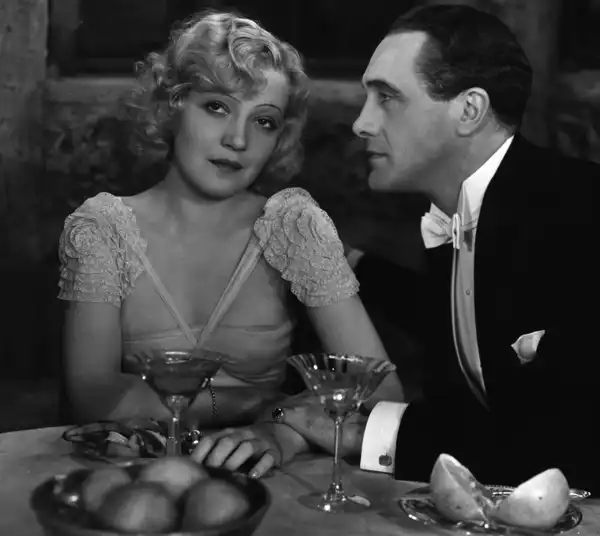
A definitive 6.2/10 rating for a film that redefined the boundaries of cult cinema. Where Is This Lady? remains a cornerstone of transgressive art.
If you like movies that feel like a dusty stage play brought to life, you’ll probably have a good time. If you need your plots to make logical sense or require actual pacing, you might find yourself checking your watch before the first musical number ends. It’s light, fluffy, and very much a product of its time.
The whole thing hinges on this frantic energy where Rudi needs to marry for money to save his bank. It’s the kind of stakes that only exist in 1930s comedies. Nobody actually seems stressed about the bank collapsing, which is probably for the best.
Mártha Eggerth is the real reason to pay attention here. She has this way of looking at the camera that makes the rest of the cast look like they’re still rehearsing their lines. When she’s on screen, the movie finally wakes up.
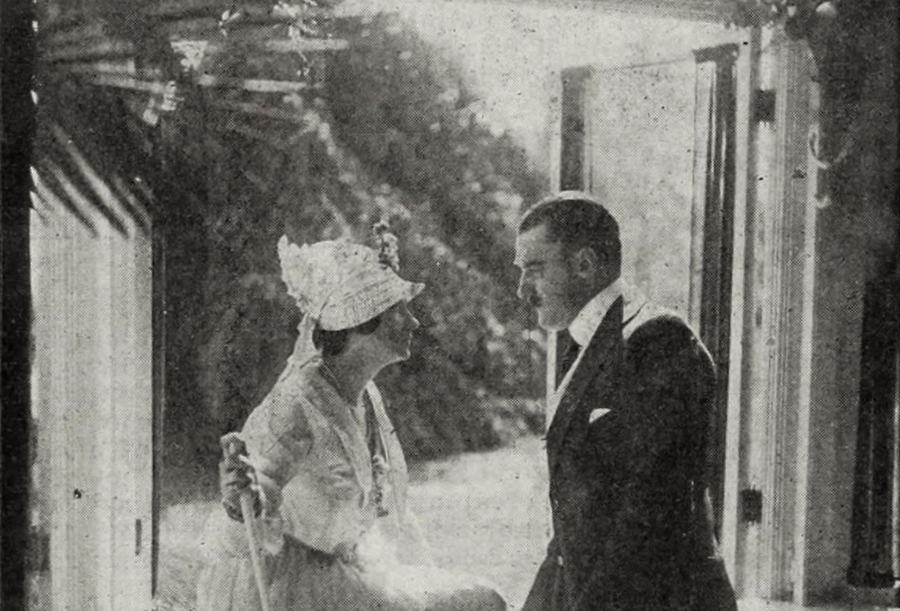
There is a moment about halfway through where the dialogue gets so tangled it’s almost impressive. Everyone is trying to hide their secret lovers while pretending to be in love with the people they’re supposed to marry. It’s a classic farce, but it feels like it’s being performed in a room slightly too small for all the actors.
The musical numbers aren't exactly showstoppers. They feel tucked in, like an afterthought. You can almost see the actors waiting for the cue to start singing, and the transitions are… well, let’s just say they aren't subtle.
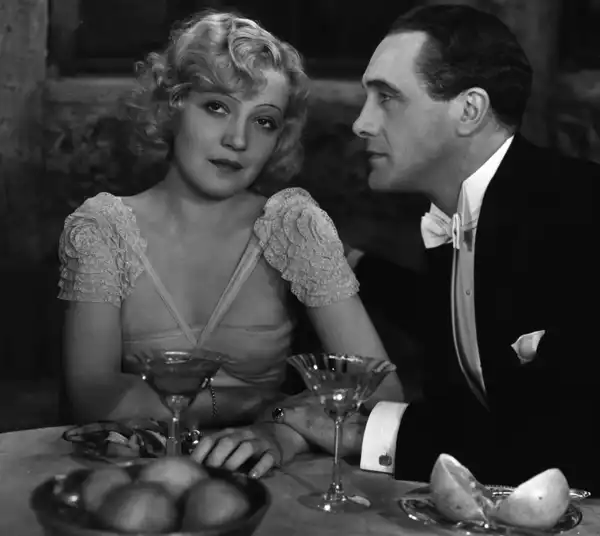
I couldn't help but compare the general vibe to Lady of the Pavements, though this one is definitely more concerned with being cute than being dramatic. It lacks that sharp edge you see in some of the more serious films of the era.
The pacing is a bit of a disaster. Some scenes linger way longer than they need to, especially the ones where the characters are just walking through doors. It reminded me a bit of the awkward movement in A Gentleman of Leisure, where things just sort of happen because the script says so.
There’s a strange, empty quality to the background shots. Sometimes it looks like the extras were just told to stand there and think about their lunch. It gives the whole thing a weirdly isolated feeling, like a dollhouse that someone forgot to put furniture in.
I kept waiting for someone to trip or for a prop to fall over. It has that slightly unpolished, 'we’re doing this in one take' feeling. Maybe that’s why it’s actually kind of sweet? 🎶
It’s not going to change your life. It won't make you rethink cinema. But if you’ve got an hour to kill and you want something that feels like an old, slightly frayed velvet coat, this fits the bill.
IMDb 5.1
1917
Community
Log in to comment.