DbcultAccessing Vault...
6.7/10
Senior Film Conservator
A definitive 6.7/10 rating for a film that redefined the boundaries of cult cinema. Whirlpool of Fate remains a cornerstone of transgressive art.
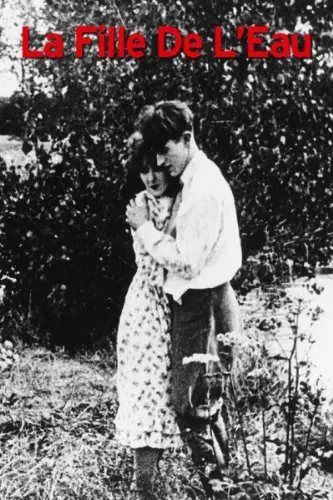
There are films that merely tell a story, and then there are those that immerse you in a world, a feeling, a relentless current of human experience. Whirlpool of Fate (whirlpool-of-fate) unequivocally belongs to the latter category. This silent film, a profound exploration of innocence besieged by an indifferent, often cruel, world, resonates with a raw emotional power that transcends its era. It's a cinematic lament, a visual poem on the fragility of hope and the crushing weight of circumstance, penned with remarkable depth by Pierre Lestringuez and brought to life by a cast that understands the nuanced language of silence.
At its heart lies Virginia, portrayed with breathtaking vulnerability and expressive grace by Catherine Hessling. From the very first frames, we witness her world unraveling. The death of her father leaves her bereft, not just emotionally but materially, as her dissolute uncle, a character embodying pure avarice and moral decay, squanders every last vestige of her inheritance. This initial descent into destitution is depicted with a stark realism that immediately establishes the film's grim emotional landscape. Virginia is not merely poor; she is alone, adrift in a society that offers little succor to the unprotected. Hessling's performance here is a masterclass in silent anguish, her eyes conveying volumes of unspoken grief and dawning despair.
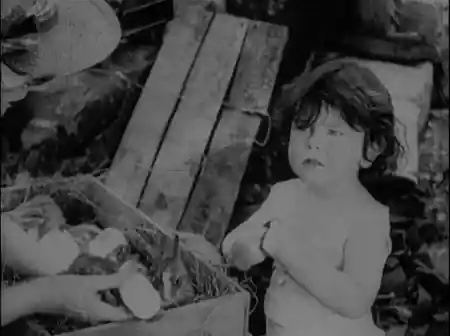
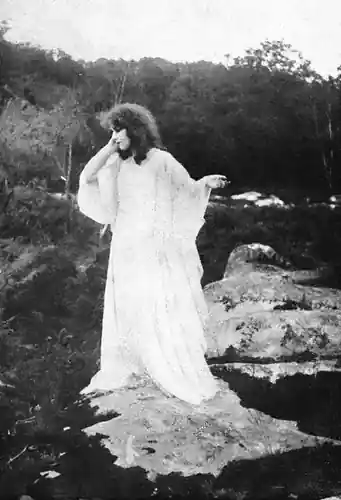
Her journey then takes an unexpected turn, a brief, vibrant interlude that serves as a stark contrast to her earlier misery. She finds herself embraced by a community of bohemians – artists, dreamers, and free spirits who live on the fringes of conventional society. This segment of the film is a burst of color and life, both literal and metaphorical, against the monochrome backdrop of her despair. Here, Virginia experiences a fleeting sense of belonging, a taste of joy and camaraderie that she had been denied. The film masterfully uses this section to highlight the dichotomy between societal norms and an alternative existence, one that values creativity and communal spirit over material wealth. The performances of André Derain and Henriette Moret, among others, contribute to this vibrant, unconventional atmosphere, painting a picture of a world both alluring and inherently fragile.
However, this bohemian idyll is not destined to last. The film, true to its title, soon pulls Virginia back into a torrent of conflict. A simmering tension between the bohemians and the more conservative, perhaps envious, local peasants erupts into a violent quarrel. This confrontation is more than a simple dispute; it's a microcosm of class struggle, a clash of ideologies and lifestyles that culminates in a chaotic, terrifying riot. Virginia, once again, is caught in the crossfire, forced to flee for her life from the very people who had briefly offered her sanctuary. The visceral depiction of this riot, with its undertones of mob mentality and social resentment, is a powerful moment, emphasizing the precariousness of her existence and the ever-present threat of external forces.
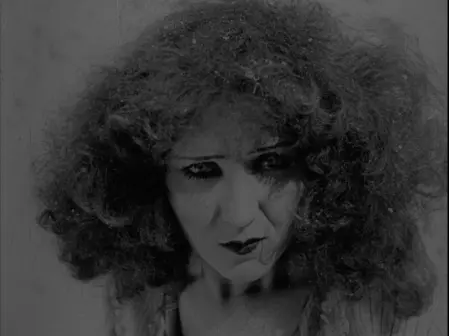
Her desperate escape leads her to Raynal, a pivotal character whose quiet benevolence offers a glimmer of hope. Portrayed with a touching earnestness by Maurice Touzé, Raynal is instantly smitten by Virginia. Yet, in a cruel twist of fate that underpins the entire narrative, he is burdened by an overwhelming shyness, an inability to articulate his burgeoning affection. This unspoken love becomes a central tragic element, a silent plea that goes unheard, or rather, unconfirmed. He offers her shelter, bringing her under the care of his father, a man of stern but ultimately fair demeanor, played by Van Doren. For a brief period, it seems Virginia might finally have found a safe harbor, a chance to rebuild her life away from the relentless tide of misfortune.
But the whirlpool, as its name suggests, is relentless. Just as tranquility seems within reach, Virginia's malevolent uncle reappears, a ghost from her past determined to haunt her present. In a moment of unguarded trust, Raynal gives Virginia money to pay a bill in the village, a simple act of faith. Her uncle, lurking in the shadows, seizes this opportunity, robbing her of the money. This act of betrayal is unseen by Raynal or his father, leading to the devastating, inevitable conclusion: they mistake Virginia for a thief. The irony is palpable and profoundly heartbreaking. The very person who has been a victim of circumstance and avarice is now branded a criminal, her character unjustly maligned. This pivotal misunderstanding serves as the film’s tragic climax, echoing similar themes of false accusation and reputation ruin seen in works like Othello, albeit in a more grounded, rural setting. The devastating impact of this misjudgment on Virginia's fragile existence is a testament to the film's powerful narrative.
Whirlpool of Fate is more than just a personal tragedy; it's a potent piece of social commentary. Pierre Lestringuez's screenplay, with its intricate layers of character interaction and societal friction, exposes the stark realities of class divisions and the vulnerability of those without status or protection. The clash between the bohemians and peasants, the rapaciousness of the uncle, and the rigid moral judgments of Raynal’s father all contribute to a nuanced portrayal of human nature at its best and worst. The film suggests that fate isn't merely an abstract force but is often shaped by the actions of others, by societal structures, and by the cruel caprice of human perception. This resonates with the struggles depicted in films such as A Fight for Millions or even the ironic title of The Millionaire, where wealth (or the lack thereof) dictates destiny.
The performances across the board are commendable, capturing the essence of silent cinema acting where gestures, facial expressions, and body language convey entire dialogues. Catherine Hessling, in particular, carries the emotional weight of the film with remarkable poise and intensity. Her portrayal of Virginia is deeply empathetic, making her plight feel intensely personal to the viewer. The supporting cast, including Charlotte Clasis, Madame Fockenberghe, Pierre Renoir, Georges Térof, Pierre Champagne, and Harold Levingston, each contribute to the rich tapestry of characters that populate this tragic world, adding texture and believability to the narrative's unfolding drama. Even the brief, impactful appearances by figures like Pierre Lestringuez himself (as a writer and actor) underscore the collaborative, intimate nature of filmmaking during this period.
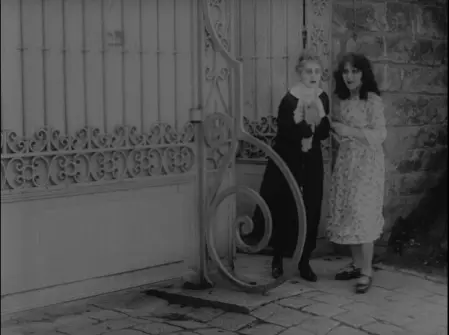
Visually, the film is a masterclass in silent era cinematography. The use of natural light, the evocative landscapes, and the careful framing of shots all contribute to the film's atmospheric quality. The contrast between the vibrant, sun-drenched scenes of the bohemian community and the darker, more somber tones of Virginia's despair is handled with artistic precision. The director (often attributed to Lestringuez for his pervasive influence on the script and tone) understands how to use the absence of sound to amplify visual metaphors and emotional impact. Every gesture, every set piece, every costume choice is imbued with meaning, guiding the audience through Virginia's harrowing journey.
The narrative’s relentless progression towards a tragic conclusion is expertly paced, building a sense of impending doom even amidst moments of fleeting happiness. It captures the essence of a life buffeted by forces beyond its control, much like a leaf caught in a strong current. The film's title, Whirlpool of Fate, is not merely poetic but profoundly descriptive of Virginia's trajectory. Her attempts to escape one misfortune only pull her deeper into another, creating an inescapable cycle that leaves the viewer with a lasting sense of pathos. This inescapable destiny, where external forces dictate personal tragedy, can be seen in other compelling dramas of the era, such as The Face at the Window, which similarly explores the relentless pursuit of an innocent by circumstance.
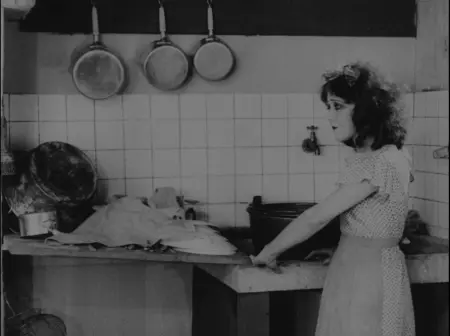
In a cinematic landscape often dominated by grand spectacles or lighthearted romances, Whirlpool of Fate stands out for its unflinching portrayal of human suffering and the arbitrary nature of justice. It’s a film that demands empathy, forcing us to confront the uncomfortable truth that sometimes, good intentions and pure hearts are simply not enough to overcome the machinations of others or the cruel hand of chance. It reminds us that perception often trumps reality, and a single, unseen act of malice can unravel a life built on fragile trust. The film's enduring power lies in its ability to make us feel Virginia's pain, to lament her injustices, and to reflect on the societal conditions that allow such tragedies to unfold.
To watch Whirlpool of Fate today is to engage with a profound piece of cinematic history that speaks volumes about the human condition. It is a testament to the artistry of silent film, demonstrating how stories of immense emotional depth can be told without a single spoken word, relying instead on the universal language of image, gesture, and heartfelt performance. It’s a film that stays with you long after the final frame, prompting reflection on fate, betrayal, and the enduring resilience—or ultimate vulnerability—of the human spirit. It's a journey into the heart of a young woman's struggle, a struggle that, despite its period setting, feels timeless in its raw, unfiltered honesty. This film isn't just a relic; it's a vibrant, aching pulse from the past, reminding us of the enduring power of cinematic storytelling to move and provoke thought.
IMDb —
1918
Community
Log in to comment.