DbcultAccessing Vault...
5.5/10
Senior Film Conservator
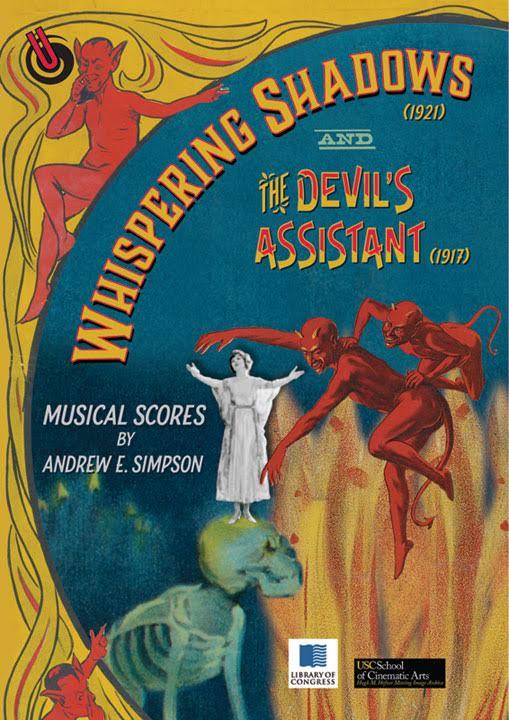
A definitive 5.5/10 rating for a film that redefined the boundaries of cult cinema. Whispering Shadows remains a cornerstone of transgressive art.
The 1921 cinematic landscape was one increasingly preoccupied with the interstices between the living and the departed, a cultural byproduct of the post-Great War zeitgeist where spiritualism flourished as a balm for collective grief. Whispering Shadows, directed with a keen eye for atmospheric tension, stands as a quintessential artifact of this era. It deftly navigates the transition from a skepticism-laden drawing-room drama to a high-stakes thriller, anchored by the metaphysical pull of the unknown. Unlike the more grounded procedural elements found in The Man with the Twisted Lip, this film embraces the irrational, suggesting that the universe maintains a moral ledger that transcends human law.
The opening act’s séance is not merely a genre trope but a profound subversion of the characters' rationalist worldviews. Helen and Stephen, portrayed with a nuanced restraint by Lucy Cotton and Philip Merivale respectively, enter the circle with a dismissive air that many modern viewers will find relatable. Yet, the film utilizes light and shadow—true to its title—to suggest that their disbelief is a thin veil. When the warning is uttered, the cinematography shifts, the frames becoming more claustrophobic, mirroring the tightening noose of the embezzlement plot. This thematic interplay between the unseen and the concrete is far more sophisticated than the didacticism often seen in Faith.
Philip Merivale delivers a performance of remarkable interiority. In an era where silent film acting often veered into the melodramatic, Merivale’s Stephen Pryde is a study in quiet desperation. His transition from a man of professional standing to a pariah is handled with a subtlety that heightens the audience's empathy. This isn't the swashbuckling heroism of The Social Highwayman; rather, it is a harrowing look at how easily a life can be dismantled by a well-placed lie. The framing of Stephen is not just a legal crisis but an existential one, forcing him to seek purpose in the military—a common narrative escape for the era’s beleaguered protagonists.
One of the most unsettling elements of Whispering Shadows is the antagonist’s audacity. To not only frame a colleague but to then insert oneself into the vacuum left by his absence—pursuing his fiancée while the true evidence of the crime gathers dust in a dead man’s library—is a testament to the film’s exploration of sociopathic ambition. The tension is palpable as Helen drifts toward a marriage of convenience or perhaps coerced obligation. This dynamic echoes the domestic perils explored in La faute d'Odette Maréchal, where secrets within the household threaten to destroy the foundation of the family unit.
The use of the confession hidden in a book is a masterstroke of dramatic irony. It represents the truth as a dormant entity, waiting for the right moment to be resurrected. Richard Bransby, played with gravitas by Charles A. Stevenson, becomes the unwitting guardian of Stephen’s future. His death adds a layer of tragic frustration to the plot; the solution is within reach, literally on the shelf, yet remains invisible. This trope of the misplaced document serves as a bridge between the spiritual warnings of the first act and the tangible resolution of the third, much like the structural complexities found in Mary Lawson's Secret.
The film’s most debated aspect is the "unseen power" that draws Stephen back to Helen. Is it a literal haunting, a psychic connection, or simply the narrative gravity required for a satisfying climax? Walter C. Hackett’s script leaves just enough ambiguity to keep the audience questioning. This metaphysical element distinguishes the film from more traditional dramas like A Sister of Six or the stark realism of An Odyssey of the North. In Whispering Shadows, the universe itself seems to conspire to correct the injustices of man, a theme that resonates deeply with the dualistic nature of human existence explored in Dvoynaya zhizn.
Visually, the film is a feast of chiaroscuro. The use of shadows is not merely aesthetic but serves as a constant reminder of the secrets lurking just out of sight. The contrast between the bright, social spaces of the party and the dark, somber library where the truth is hidden creates a visual shorthand for the film's moral conflict. The direction ensures that the viewer feels the weight of the "shadows" long before the supernatural elements are fully realized. This visual sophistication puts it on par with European contemporaries like Der Andere, which also delved into the darker recesses of the human psyche.
While many silent films suffer from a certain narrative atrophy, Whispering Shadows retains its grip through a relentless pacing and a genuine sense of stakes. The climax, involving the discovery of the paper and the unmasking of the embezzler, is choreographed with a precision that predates the modern thriller. It avoids the mawkish sentimentality often found in The Eternal Mother, opting instead for a catharsis that feels earned through suffering and divine intervention. The film doesn't just resolve its plot; it restores a sense of cosmic justice that the characters—and by extension, the audience—sorely crave.
Lucy Cotton’s Helen is more than a mere damsel in distress. Her journey from skeptic to believer, and from a daughter in mourning to a woman on the precipice of a disastrous marriage, is the emotional heartbeat of the film. Her internal conflict is palpable; the pressure to move on from Stephen is countered by a lingering intuition that something is deeply wrong. This portrayal of feminine intuition as a valid source of truth is a refreshing departure from the more passive roles seen in The Girl Who Couldn't Grow Up or A World of Folly.
Ultimately, Whispering Shadows is a film about the persistence of truth. Whether that truth is carried on the wings of a séance's warning or hidden in the physical pages of a book, it refuses to be extinguished. The film captures a unique moment in history where the industrial and the mystical were in constant dialogue. It lacks the overt folk-heroism of Arsena Jorjiashvili but replaces it with a sophisticated urban dread. It is a work that demands to be viewed not just as a relic of the silent era, but as a precursor to the psychological and supernatural thrillers that would dominate cinema decades later. Even when compared to the lighter fare of The Honeymoon or the character-driven comedy of A Lady's Tailor, this film stands out for its gravity and its willingness to engage with the darker, more mysterious aspects of the human experience. The shadows here do not just whisper; they roar with the force of an inexorable destiny.
IMDb —
1922
Community
Log in to comment.