DbcultAccessing Vault...
7/10
Senior Film Conservator
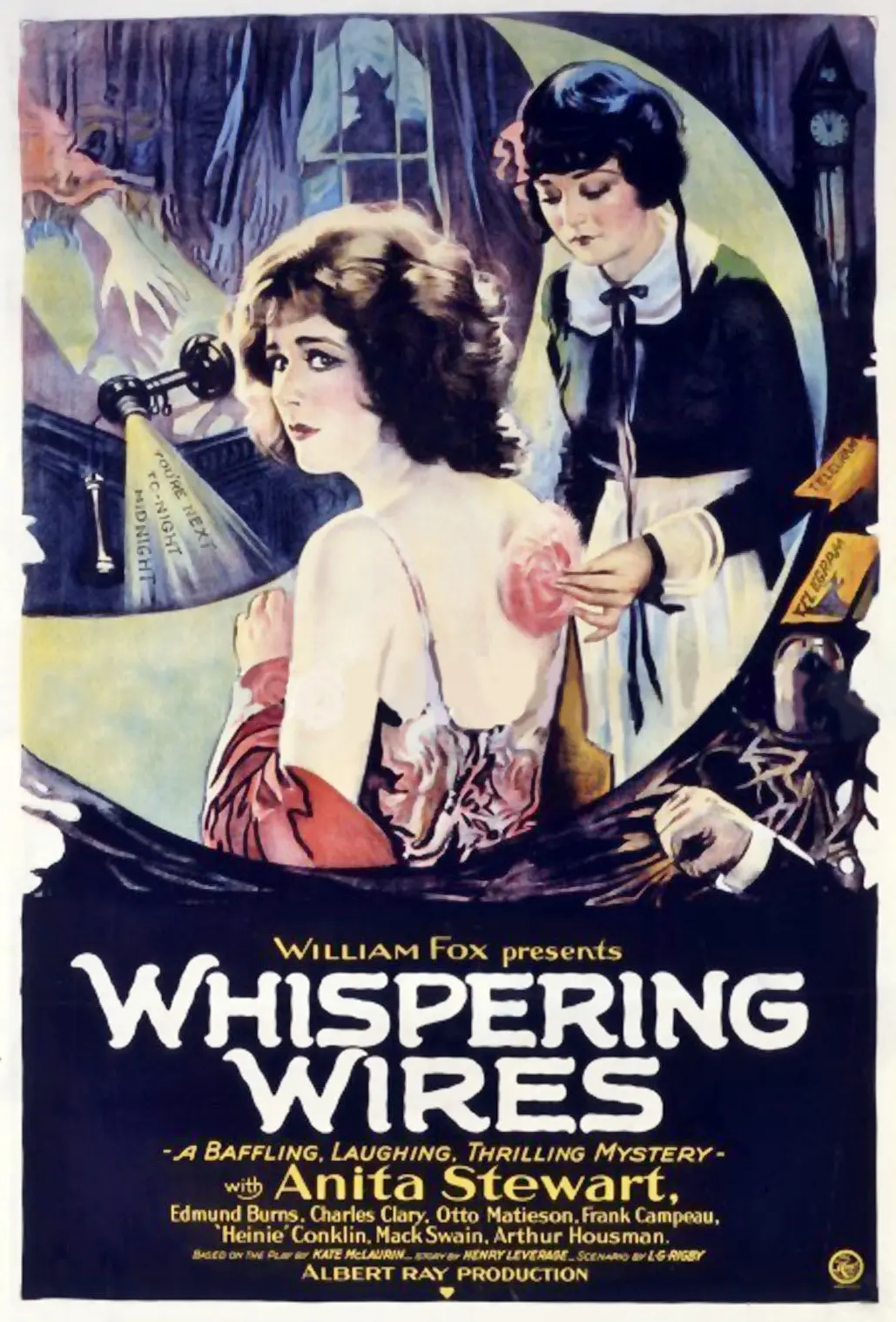
A definitive 7/10 rating for a film that redefined the boundaries of cult cinema. Whispering Wires remains a cornerstone of transgressive art.
Short answer: yes, but with a hefty dose of nostalgia and a sprinkle of questionable humor. Whispering Wires is a delightful, if not entirely polished, addition to the 1930s crime genre, offering a whimsical take on a classic plot.
This film is best appreciated by those who enjoy old Hollywood films with a touch of charlatanry, and who don't mind a few predictable plot twists. It’s not for the discerning thriller aficionado, but it holds a special place in the hearts of those who value the golden age of cinema for its quirks and charm.
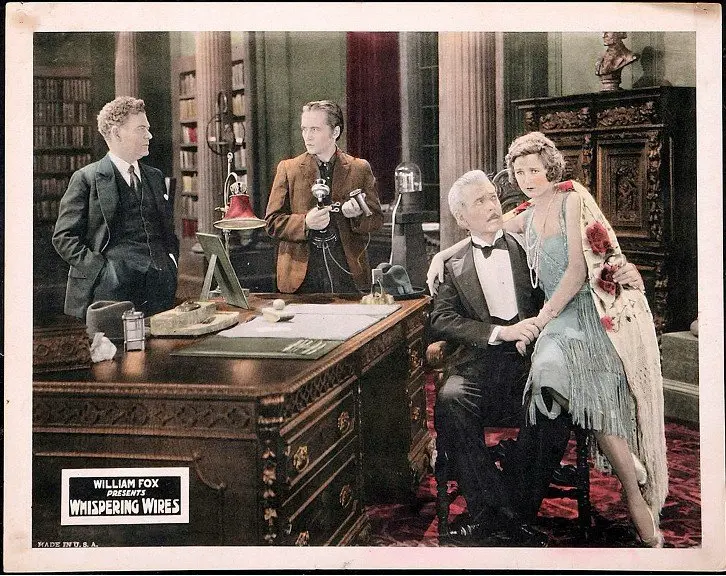
Whispering Wires begins with a cryptic voice over the telephone that ominously predicts a murder. The audience is immediately drawn into the suspense, wondering who will be the next victim and when the chilling voice will come to pass. The plot thickens as the protagonist, Doris Stockbridge, is threatened, leading to a series of events that involve a pair of bumbling detectives, a bloodhound, and a pair of revenge-seeking criminals.
The cast of Whispering Wires is a mix of seasoned actors and newcomers. Cecille Evans shines as the protagonist, Doris, bringing a sense of vulnerability and determination to her role. Scott Welsh and Mack Swain as the detectives provide a delightful contrast, their bumbling nature adding a layer of humor to the film. The villains, played by Edmund Burns and Heinie Conklin, add a sinister edge to the proceedings, but their characterizations are somewhat one-dimensional, which limits their impact.
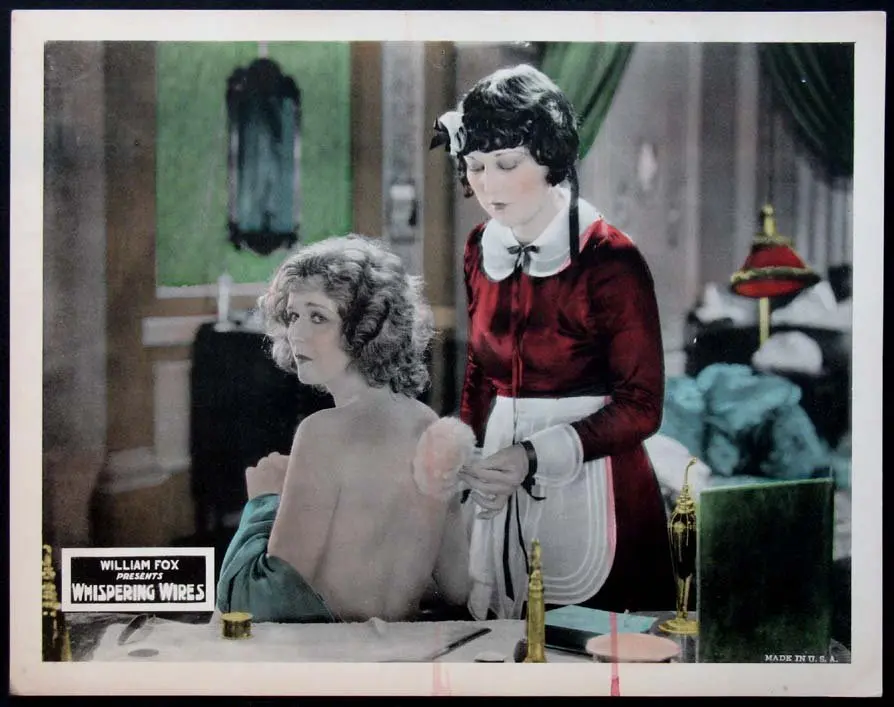
William M. Conselman’s direction is both competent and occasionally whimsical. The film’s pacing is uneven, with some sequences feeling rushed while others drag on, perhaps due to the film's reliance on predictable plot devices. The comic sequences, while intended to lighten the mood, sometimes fall flat, particularly when the bumbling detectives give chase to the villains. However, the thrill of the chase sequences, especially those involving the bloodhound, add an element of excitement to the film.
The cinematography of Whispering Wires is a blend of the stark, noir-inspired visuals of the 1930s and a more whimsical approach. The use of shadows and contrast is effective in creating a sense of tension, particularly in the scenes leading up to the murders. However, the film’s color palette, with its muted tones, can be a bit drab, detracting from the overall visual appeal. The tone of the film is a mix of suspense and light-hearted comedy, which sometimes feels incongruent, but it does succeed in creating a unique atmosphere.
While Whispering Wires may not be a cinematic masterpiece, it is an enjoyable, if somewhat flawed, entry into the 1930s crime genre. It works because it captures the charm and quirkiness of its era, and because it’s a fun, nostalgic ride. It fails because its predictability and one-dimensional characters can be tiresome. You should watch it if you’re a fan of old Hollywood films, crime thrillers, or simply enjoy a bit of whimsy in your entertainment.
Whispering Wires is a delightful, if somewhat flawed, entry into the 1930s crime genre. It’s a fun, nostalgic ride that captures the charm and quirkiness of its era, but it may not satisfy those who demand high levels of suspense or sophisticated filmmaking. For those who enjoy quirky old Hollywood films and a touch of charm, it’s definitely worth a watch. For others, it might be better enjoyed as a piece of historical cinema rather than a modern thriller.
IMDb —
1917
Community
Log in to comment.