
DbcultAccessing Vault...
6.3/10
Senior Film Conservator
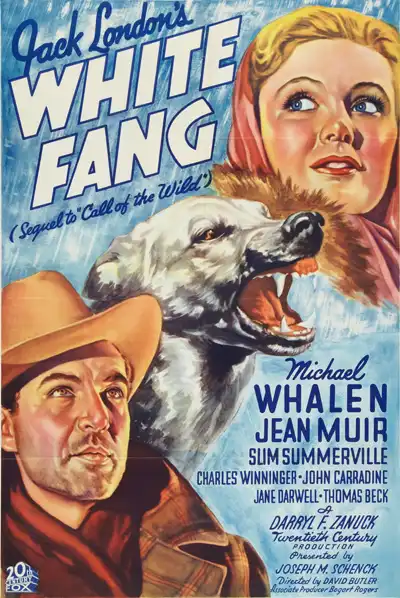
A definitive 6.3/10 rating for a film that redefined the boundaries of cult cinema. White Fang remains a cornerstone of transgressive art.
If you go into the 1936 White Fang expecting a deep, soulful connection with a wild animal, you are going to be pretty annoyed. This isn't really about the dog. It’s more of a dusty murder mystery that happens to be set in the Yukon. You’ll probably dig this if you have a soft spot for old-school, slightly clunky studio dramas where everyone talks like they’re reading off a telegram. If you’re here for the dog, stay away. The canine stuff feels like an afterthought tacked onto a script that wanted to be a courtroom thriller instead.
The whole thing starts with this heavy, gloomy vibe. The brother character is clearly struggling, and when he finally offed himself, I felt like the movie just hit a wall. It’s a dark turn for a film that feels like it should be an adventure flick. Then, the guide gets blamed for the murder and the whole thing pivots into this procedural mess.
It’s not exactly Hell-Bent fer Heaven in terms of tension, that’s for sure. The courtroom scenes drag on for what feels like hours. I found myself staring at the background extras, wondering if they were bored too. One guy in the jury box looks like he’s trying to suppress a yawn for three straight minutes.
There’s this moment where the lead actress looks directly into the camera during a tense scene. Maybe she just forgot her mark? I don't know. It felt human, which is the best thing I can say about it. It’s certainly not as snappy as Cowboy Jazz, which actually knew what kind of movie it wanted to be.
Ultimately, the movie is a bit of a relic. It’s not great, it’s not terrible. It just exists. It’s like watching an old Evergreen production that lost its way in the snow. If you’re a completionist for 30s cinema, go for it. Otherwise, you’re not missing a masterpiece.