DbcultAccessing Vault...
6.8/10
Senior Film Conservator
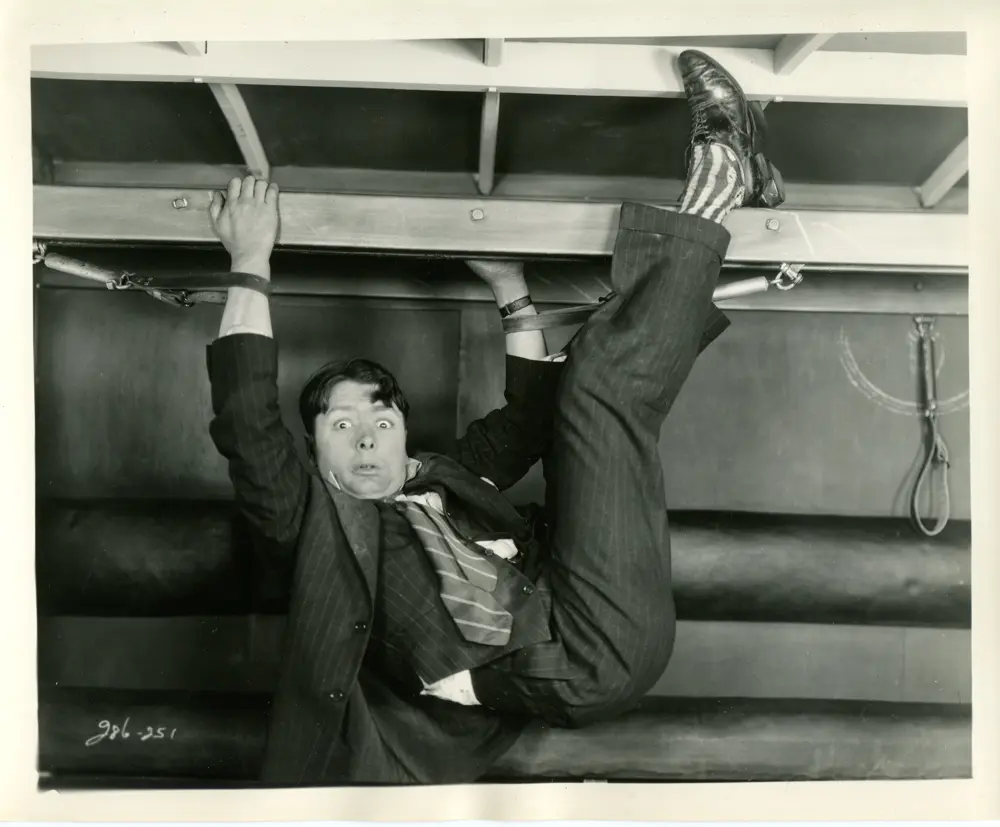
A definitive 6.8/10 rating for a film that redefined the boundaries of cult cinema. Rookies remains a cornerstone of transgressive art.
Should you spend your evening watching a silent military comedy from 1927? Short answer: yes, but only if you want to witness the birth of the mismatched buddy comedy formula that Hollywood still uses today. This film is a mandatory watch for students of physical comedy and those who enjoy seeing a rigid authority figure pushed to the brink of insanity. However, it is absolutely not for viewers who require a fast-paced plot or those who find the repetitive nature of silent-era slapstick exhausting.
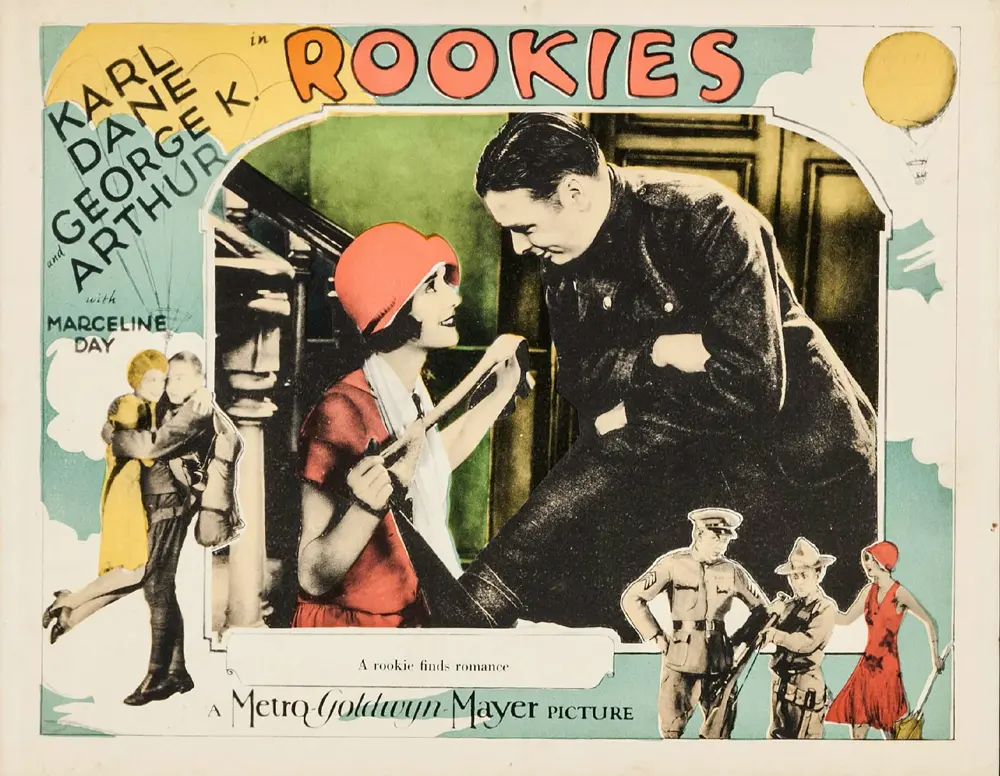
This film works because the physical disparity between the towering Karl Dane and the slight, agile George K. Arthur creates an instant, visual comedic tension that requires no dialogue to understand.
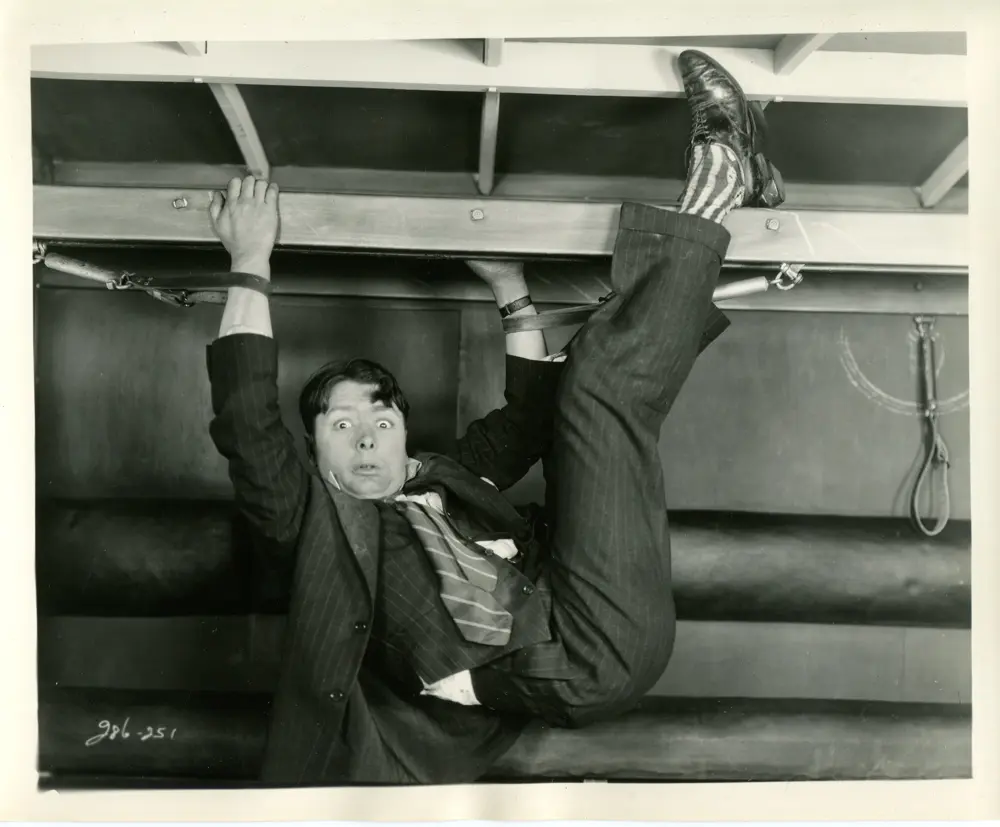
This film fails because the narrative relies too heavily on a romantic subplot with Betty Wayne that feels more like a structural necessity than a genuine emotional arc.
You should watch it if you are a fan of the 'Dane-Arthur' comedy team or if you want to see how silent cinema transitioned from the high drama of films like The Show into more lighthearted, populist fare.
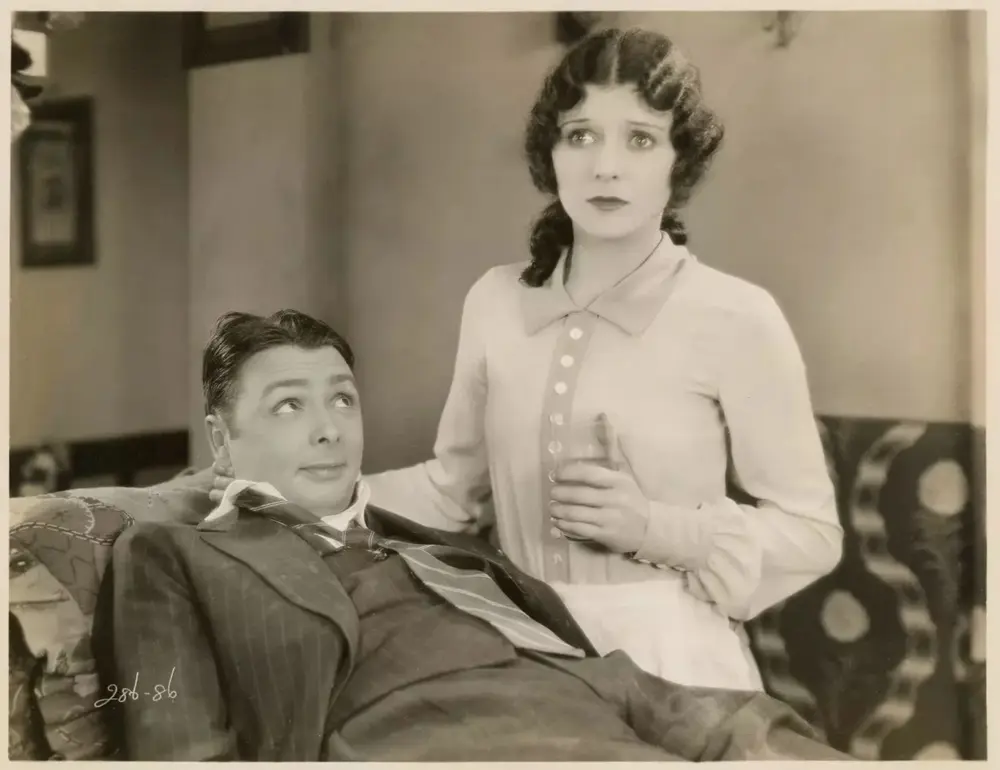
Rookies is worth watching because it captures a specific moment in cinematic history where the horrors of war had faded enough to become the backdrop for farce. The film serves as a bridge between the gritty realism of the early 1920s and the escapist comedy of the 1930s. It provides a masterclass in how to build a character through movement rather than words. If you appreciate the craft of the silent era, the performances here are essential viewing. It is a lean, mean, gag-delivery machine.
The core of Rookies is the friction between Greg (George K. Arthur) and Sgt. Diggs (Karl Dane). Arthur plays Greg with a punchy, theatrical arrogance that makes you want to see him succeed and fail simultaneously. He is the ultimate 'unlikable' protagonist who wins the audience over through sheer persistence. In one standout scene, Greg attempts to perform a vaudeville routine during a standard drill. The way he turns a bayonet charge into a choreographed dance is not just funny; it’s a brilliant subversion of military order.
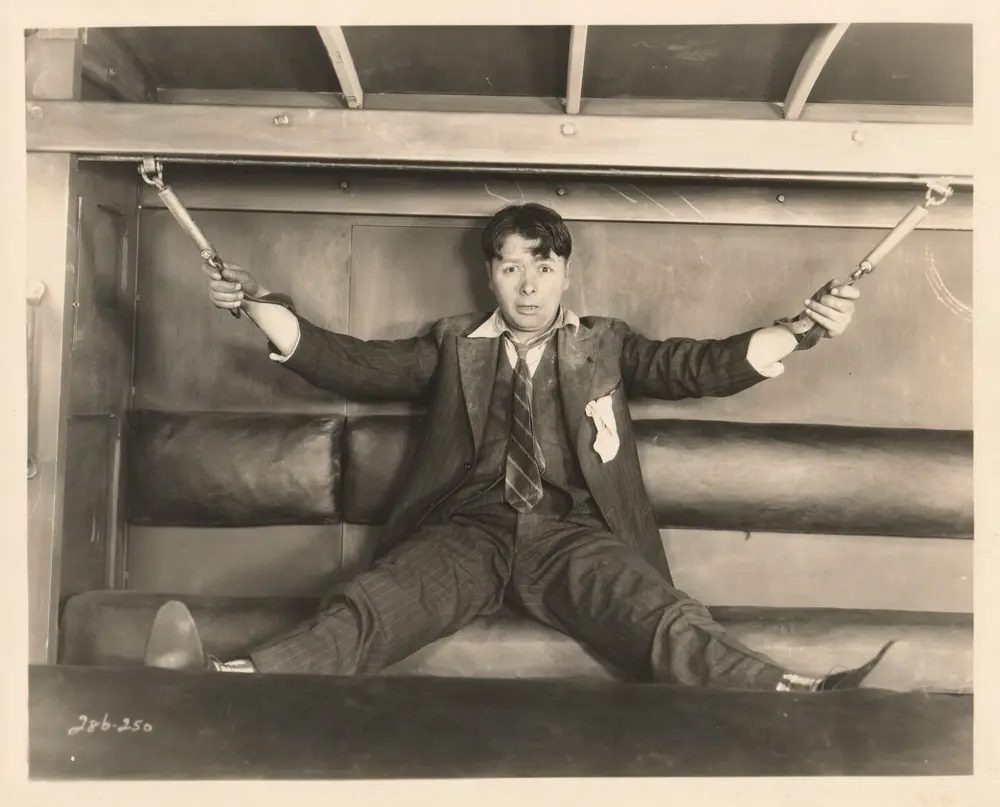
Karl Dane, as the Sergeant, is the perfect foil. His face is a landscape of mounting fury. Dane doesn't need to yell; his eyes do the work. The height difference between the two is exploited for every possible ounce of comedy. When Diggs looms over Greg, the visual image alone tells the story of the individual versus the institution. It works. But it’s flawed. The repetition of these gags can occasionally feel like the film is running in place, waiting for the next major plot beat to arrive.
The writing by Joseph Farnham and Byron Morgan is deceptively simple. While the plot—man gets drafted, man hates sergeant, both love the same girl—is a cliché now, in 1927, it was being refined into an art form. Farnham’s intertitles are sharp and avoid the flowery prose common in other films of the era, such as Stranded. Instead, the dialogue is punchy and serves the gags.
The decision to make Greg an entertainer is the film's smartest move. It justifies his constant 'performing' and gives him a reason to be more observant than the average recruit. He isn't just a bad soldier; he is a professional disturber of the peace. This meta-commentary on the nature of performance within the rigid structure of the army adds a layer of depth that elevates Rookies above standard slapstick like The Boat.
Visually, the film adheres to the MGM house style of the late 20s. The lighting is flat but clear, ensuring that every facial expression is legible. The outdoor training sequences are shot with a wide lens to emphasize the scale of the camp, making Greg look even smaller and more insignificant. This contrast is vital. If the camp looked cozy, Greg’s rebellion wouldn't feel as daring.
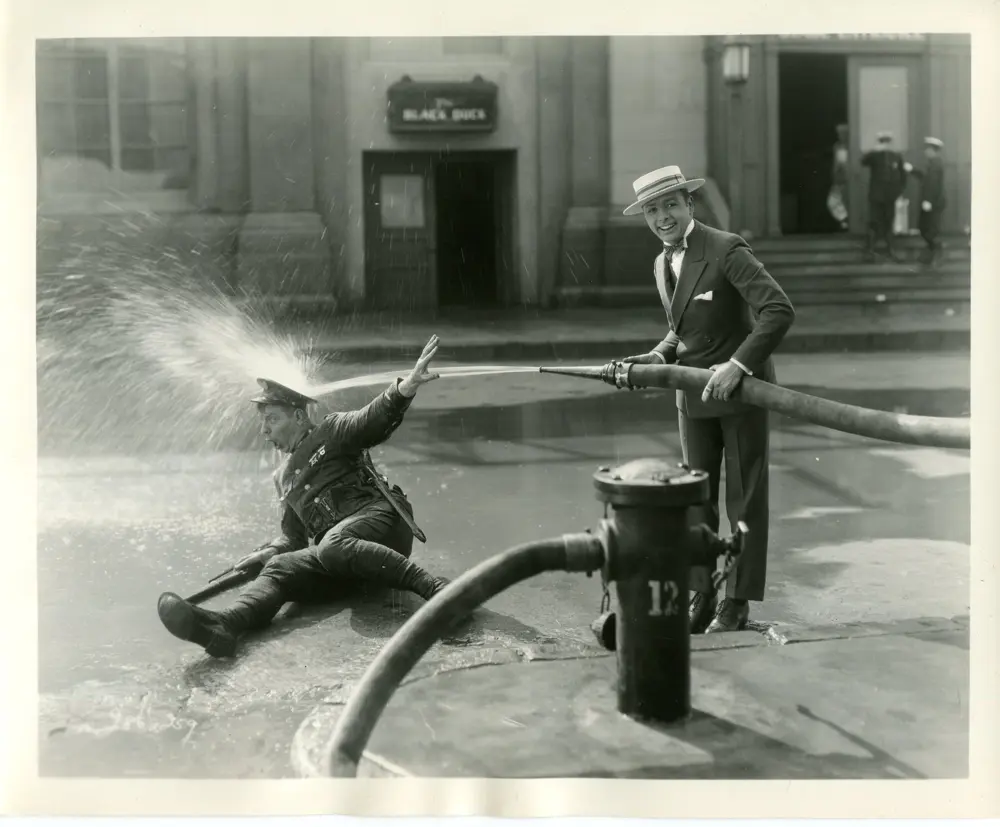
Compare this to the more experimental framing found in Finances of the Grand Duke, and you’ll see that Rookies is much more concerned with clarity than artistry. It wants the audience to see the pratfall clearly. There is no room for ambiguity when a man is falling into a mud pit. The pacing, however, is where the film struggles. The second act feels elongated, with several gags that feel like variations on a theme rather than progression.
Marceline Day plays Betty Wayne with the necessary charm, but the character is frustratingly thin. She exists as a trophy for the two men to fight over. While this was standard for the time, it dates the film more than the silent format does. Her interactions with Greg are sweet, but there is little chemistry compared to the electric rivalry between Greg and Diggs. The film is at its best when the men are onscreen together, and it loses steam whenever it tries to be a sincere romance.
Rookies is a fascinating relic that remains surprisingly functional as a comedy. It lacks the emotional depth of Chaplin or the technical genius of Keaton, but it possesses a raw, aggressive energy that is infectious. The film takes a stance: authority is ridiculous, and the only way to survive it is to be even more ridiculous. It is a loud film for a silent one. While the middle section sags like an old tent, the chemistry of the leads carries it to a satisfying, if predictable, conclusion. It’s not a masterpiece, but it is a damn good time. It works because it knows exactly what it is—a playground for two of the era’s best comedians to beat each other up for our amusement.

IMDb 5.9
1926
Community
Log in to comment.