DbcultAccessing Vault...
6.6/10
Senior Film Conservator
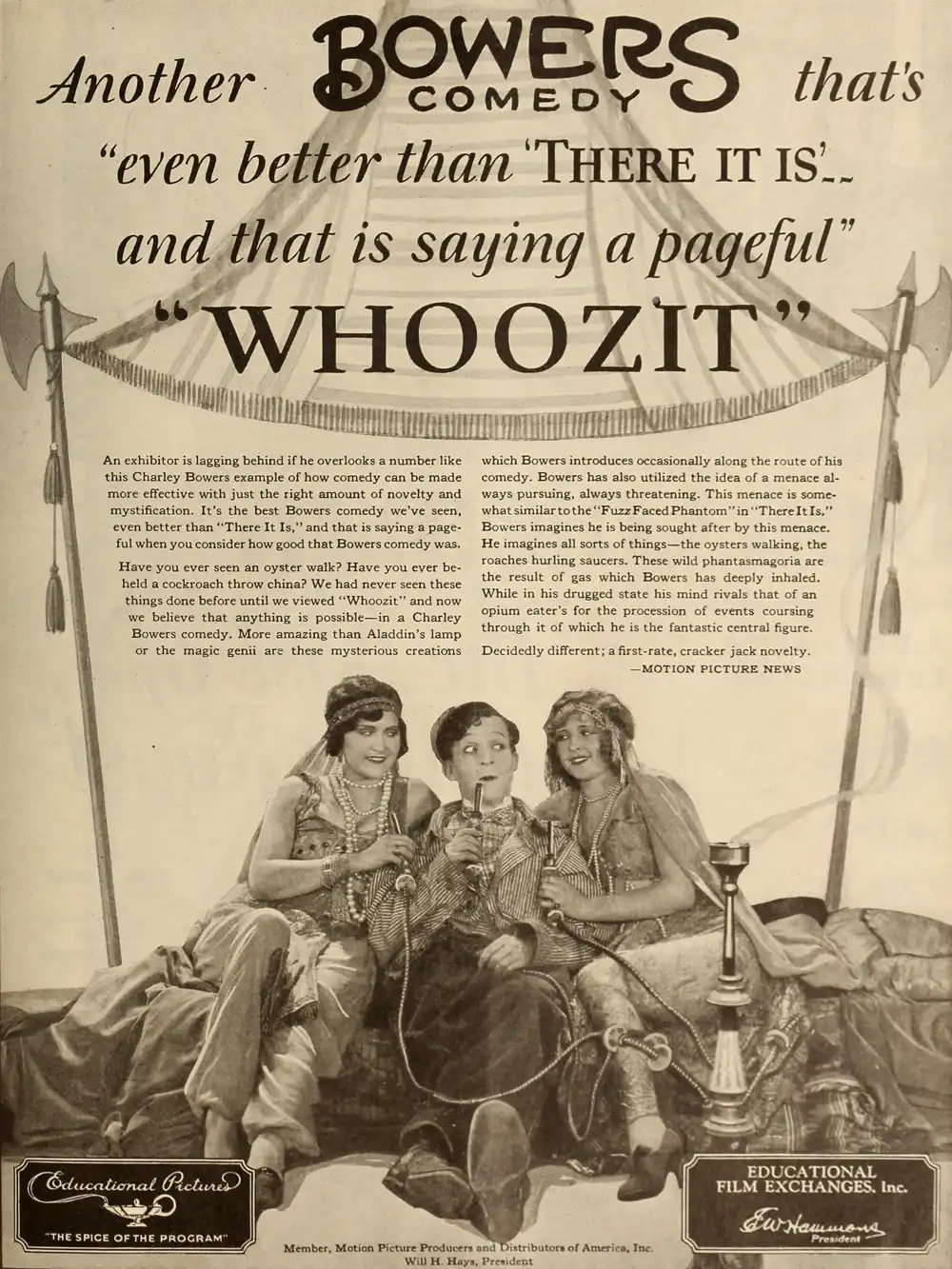
A definitive 6.6/10 rating for a film that redefined the boundaries of cult cinema. Whoozit remains a cornerstone of transgressive art.
Okay, so let’s talk about Whoozit. Is this worth finding today? Absolutely, if you're into the really *weird* side of silent cinema or just want to see something truly unique. If you're looking for a straightforward story or subtle drama, you'll probably hate it. This one is for the adventurous film watcher, the kind who digs experimental stuff and doesn't mind a little (or a lot) of delightful absurdity. 👽
Charles R. Bowers, the writer and star here, plays a man, also named Bowers, who gets into some gas. And I mean *really* into it. What follows is just pure, unadulterated phantasmagoria. It’s not just a little odd; it’s like someone opened up a dream journal and decided to animate the most feverish entries.
The core idea is pretty simple: Bowers imagines he’s being chased by something. It’s always there, always a bit threatening. But the *way* he imagines it, that's the whole show. You've got these oysters, right? Just regular oysters. And then, *bam*, they’re walking. Not just wiggling a bit, but actually getting up on little legs and scurrying. It’s ridiculous, and it makes you grin.
Then the roaches. Oh, the roaches. These aren't just creepy crawlies; they’re little warriors, tiny angry things *hurling saucers*. Like, actual dinner saucers. The visual of these insects with their miniature arm movements, wind-up toy style, just flinging these dishes, it’s so unexpected and silly. One roach even pauses, takes a moment, really *aims* its saucer. It’s a perfect, bizarre moment.
Bowers’s performance through all this is key. He sells the escalating madness with wide eyes and a perpetually bewildered, slightly terrified expression. You can see the gears turning, or rather, *breaking* in his head as things get progressively stranger around him. It’s not a subtle performance, but it totally works for the material.
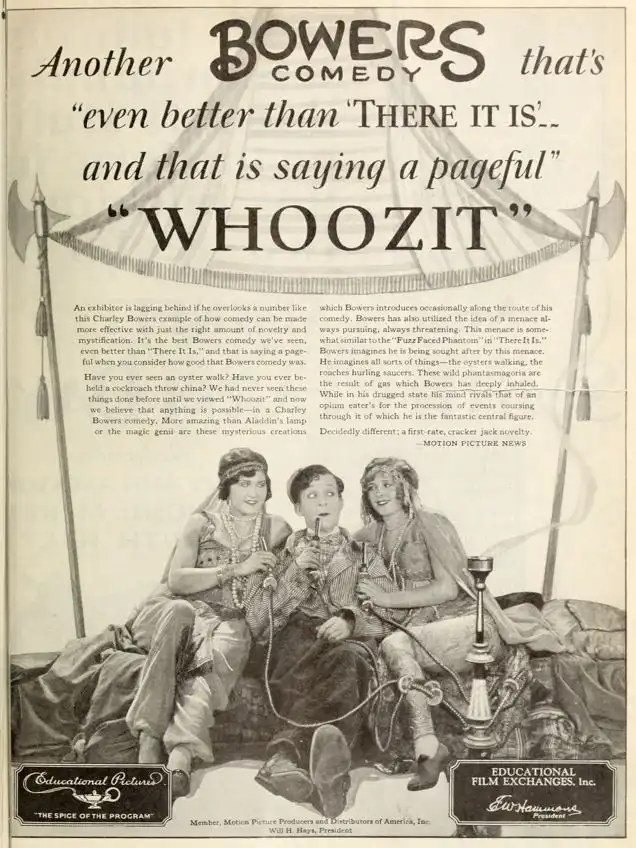
The pacing of the gags is pretty relentless. Just when you think you've seen the strangest thing, another one pops up. Sometimes a moment feels like it goes on just a little too long, like a beat held for an extra second, and then you get it. That's part of the charm, that slight awkwardness that then pays off with another visual punchline. You can almost feel Bowers, the director, in the editing room, just saying, "Let's hold it there for a sec... *then* cut!"
And the gas! It’s such a simple, convenient plot device, but it completely frees the film to do whatever it wants. There’s no need for logic or explanation beyond, "Hey, this guy inhaled gas, so now everything’s bonkers." It gives the whole thing a sort of madcap, anything-can-happen energy.
One scene where Bowers is just staring, and you see the bizarre things happening in the background, out of focus almost. Then it snaps into clarity, and it’s something even *weirder* than you expected. It makes you feel like you’re also in on the delusion. It’s a clever trick for a film with no sound.
The film isn't trying to be profound. It’s just trying to be *wild*. And it succeeds. It’s a really playful film, despite the underlying threat Bowers feels. The whole thing feels like a cartoonist's fever dream brought to life.
You know, for a film from the silent era, it feels surprisingly fresh in its absurdity. It doesn't rely on overly broad physical comedy in the way some other silent shorts do, though there’s plenty of that too. It leans into surrealism in a way that feels ahead of its time. If you're looking for something that just defies expectation, something truly *unique* that sticks with you long after the final frame, give Whoozit a watch. Just don’t inhale any strange gases beforehand. Or do. I’m not your mom. 😉
IMDb —
1927
Community
Log in to comment.