DbcultAccessing Vault...
6.8/10
Senior Film Conservator
A definitive 6.8/10 rating for a film that redefined the boundaries of cult cinema. The Dear Departed remains a cornerstone of transgressive art.
A corpse that refuses to stay bought is the nimble MacGuffin of The Dear Departed, a brittle 1920 one-reeler that dances on the lip of the grave while whistling a jaunty tune about debt.
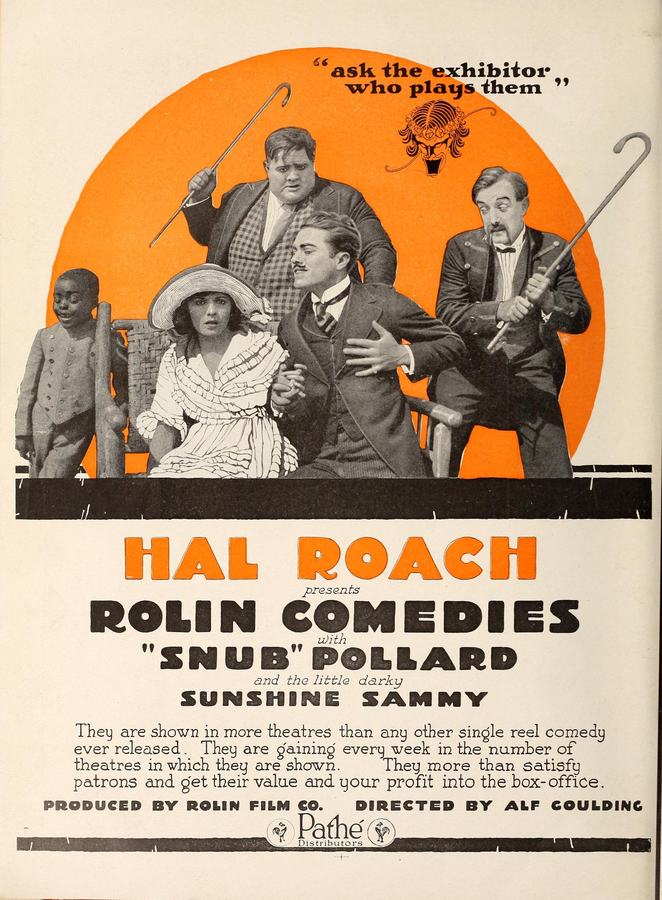
Picture the decade still hung-over from wartime thrift: credit is a four-letter word, insurance is gospel, and death is the only retirement plan that promises liquidity. Into this chalk-outline world waddles Snub Pollard, his brush-mustache bristling like a frightened caterpillar, eyes twin yolks of panic. The film’s genius is to treat insolvency not as social stigma but as grand opera: every unpaid bill becomes a death warrant signed in triplicate.
The mise-en-scène is a cramped flat that Dickens might have sketched after a three-day bender—furniture glows with the patina of last week’s hock ticket, wallpaper peels like sunburnt skin, and shadows smother the corners like unpaid rent. Cinematographer Frank Young shoots it all at low angles so the ceiling looms like a creditor’s thumb, ready to squash our hero into pecuniary pulp.
What shocks a century on is the breeziness with which the film toys with self-destruction. Snub’s first attempt—an overdressed hanging—snaps a beam and showers him in plaster like bridal confetti. Next, a gas oven backfires, ballooning him into a soot-smeared marshmallow. Each gag lands because Pollard plays them not as invulnerable clown but as fragile wage-slave terrified of his own finality. Compare this to the morbid whimsy of The Dead Secret or the florid guilt in As Ye Repent; here death is simply another line item in the ledger, payable on demand.
Meanwhile, Marie Mosquini as the wife pirouettes through catastrophe in drop-waist dresses that scream flapper-before-her-time. She is no naïve ingénue but a proto-feminist financier who sees widowhood as upward mobility. Watch her eyes glitter when the agent promises “double indemnity for accidental demise.” In 1920, such naked hunger was scandalous; today it feels prophetic, a #GirlBoss moment lit by nitrate flare.
Once the death-telegram circulates, relatives sprout like fungi. Hughie Mack, face a topographical map of avarice, leads the pack, pocketing heirlooms while gnashing crocodile tears. Ernest Morrison—a Black child actor who would later gain fame as “Sunshine Sammy”—steals scenes as a newsboy whose running commentary punctures pomposity with street-wise glee. His presence, fleeting though it is, adds jolting social texture: in an era when most Black performers were relegated to mammies and stable hands, Morrison’s cheeky onlooker feels quietly subversive.
Note the film’s clockwork symmetry: every new mourner introduces another prop—an urn, a black-edged card, a ham—creating a still-life of middle-class respectability that’s promptly upended by slapstick. It’s as if Buñuel had crash-landed into a Mack Sennett two-reeler.
At a breathless 12 minutes, the picture snaps along with Eisensteinian zest. Intertitles arrive like subpoenas—white letters on black, no punctuation, just raw accusation: YOU OWE. A match-cut links Snub’s trembling hand on a revolver trigger to his wife’s gloved hand signing the policy—capitalism’s synaptic flash. Later, a superimposed calendar page tears itself off, day by day, until the due-date zero hour: a visual debt-collector.
The pièce de résistance is a triple-exposure shot: Snub, his own ghost, and the silhouette of Mammon shaking a coin purse. The trick photography is rough-hewn, the matte lines visible, yet that fragility intensifies the hallucination. Compare the spectral layering to The Whirlpool, where double exposure signified moral vertigo; here it externalizes insolvency as spectral doppelgänger.
Because the film is mute, every creak and hiss is supplied by your dread. Listen hard and you’ll swear you hear the rope tighten, the coin drop, the relatives’ synchronized gasp when Snub barges in alive. This synesthetic illusion is the hallmark of great silent comedy: it makes the vacancy of the soundtrack pregnant with meaning. When the wife’s face shifts from bereavement to fury, the flicker of nitrate creates a strobe of conflicting emotions—grief, greed, relief—like a roulette wheel spinning on her cheekbones.
Strip away the pratfalls and what remains is a scalding moral ledger: a man’s worth equals his net assets; love itself is collateral. The film anticipates Double Indemnity’s fetish for actuarial sin, yet lacks noir’s cynicism—it opts for cathartic chaos instead. In the final tableau, Snub and wife exit frame left, destitute but paradoxically liberated, suggesting that to be written off by the economy is to escape its bookkeeping. The sentiment is radical for 1920, a year when Wall Street preached eternal boom.
One can’t help but read the film as prequel to the 1929 crash: the same speculative fever, the same faith in paper over flesh, the same delirious comeuppance.
Pollard’s genius lies in micro-gestures: a pinky lifted delicately before the pistol misfires, the way his Adam’s apple descends like a shy elevator when creditors bark. These tics create empathy without pathos—he’s a worm, but our worm. Mosquini counterbalances with operatic broad strokes, arms flung wide as if to embrace the insurance payout itself. Their chemistry is the friction between nickelodeon slapstick and drawing-room satire.
Spot the cameo of James Parrott (often un-credited) as a pallbearer who trips over his own bouquet—a harbinger of Laurel & Hardy’s floral disasters. Such Easter eggs reward cinephile archaeology.
For decades The Dear Departed survived only in a 9.5 mm Pathéscope abridgement, its emulsion scarred like a pock-marked pensioner. The 2022 4K restoration by EYE Filmmuseum mines two incomplete negatives, realigns shots via montage lists discovered in the Dutch trade journal Films en Bioscopen, and commissions a new score by Daan van den Hurk—a frenetic klezmer-ragtime hybrid that scratches at your nerves like an unpaid bill. The tinting follows archival notes: amber for interiors, viridian for exteriors, a sickly lavender for the “death” sequence—colors that rhyme with bruise and bile.
Is the film perfect? Hardly. Its gender politics creak, its pacing lurches in the mid-section, and the ethnic caricatures (brief though they are) raise modern hackles. Yet its velocity, its willingness to jest at the abyss, and its editorial bravado make it essential viewing for anyone tracing the DNA from Harakiri to Goodbye Charlie to Weekend at Bernie’s.
In an age when medical debt still propels GoFundMe elegies, The Dear Departed feels less like antique novelty and more like tomorrow’s headline.
Seek it out at a cinematheque, project it on 16 mm if you can, let the projector’s clatter become the creditors’ knock. Laugh until you remember why you’re laughing. Then go home and check your bank balance—if you dare.
References for further exploration: The Rose of Rhodesia for colonial economics, The Square Deal for labor relations, Jim the Penman for forgery and fiscal panic.
IMDb 7.7
1924
Community
Log in to comment.