DbcultAccessing Vault...
7.2/10
Senior Film Conservator
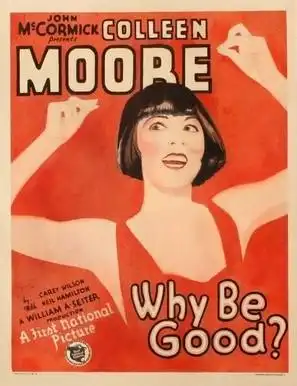
A definitive 7.2/10 rating for a film that redefined the boundaries of cult cinema. Why Be Good? remains a cornerstone of transgressive art.
"Why Be Good?", a silent film from 1929, is a fascinating peek into an era that felt both distant and oddly familiar. If you're someone who loves diving into old movies to see how people lived and thought back then, you'll probably get a kick out of this one. But if you need fast pacing and talk, talk, talk, this might just feel like a long, quiet evening.
It’s a film about Genie, a young woman, a flapper really, who just wants to dance and have a good time. Society, though, has other ideas about what a young lady should be doing. And of course, there’s a new boss involved, a proper young man named Jim.
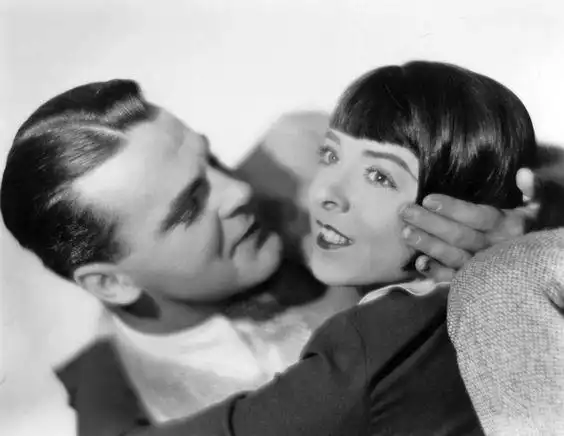
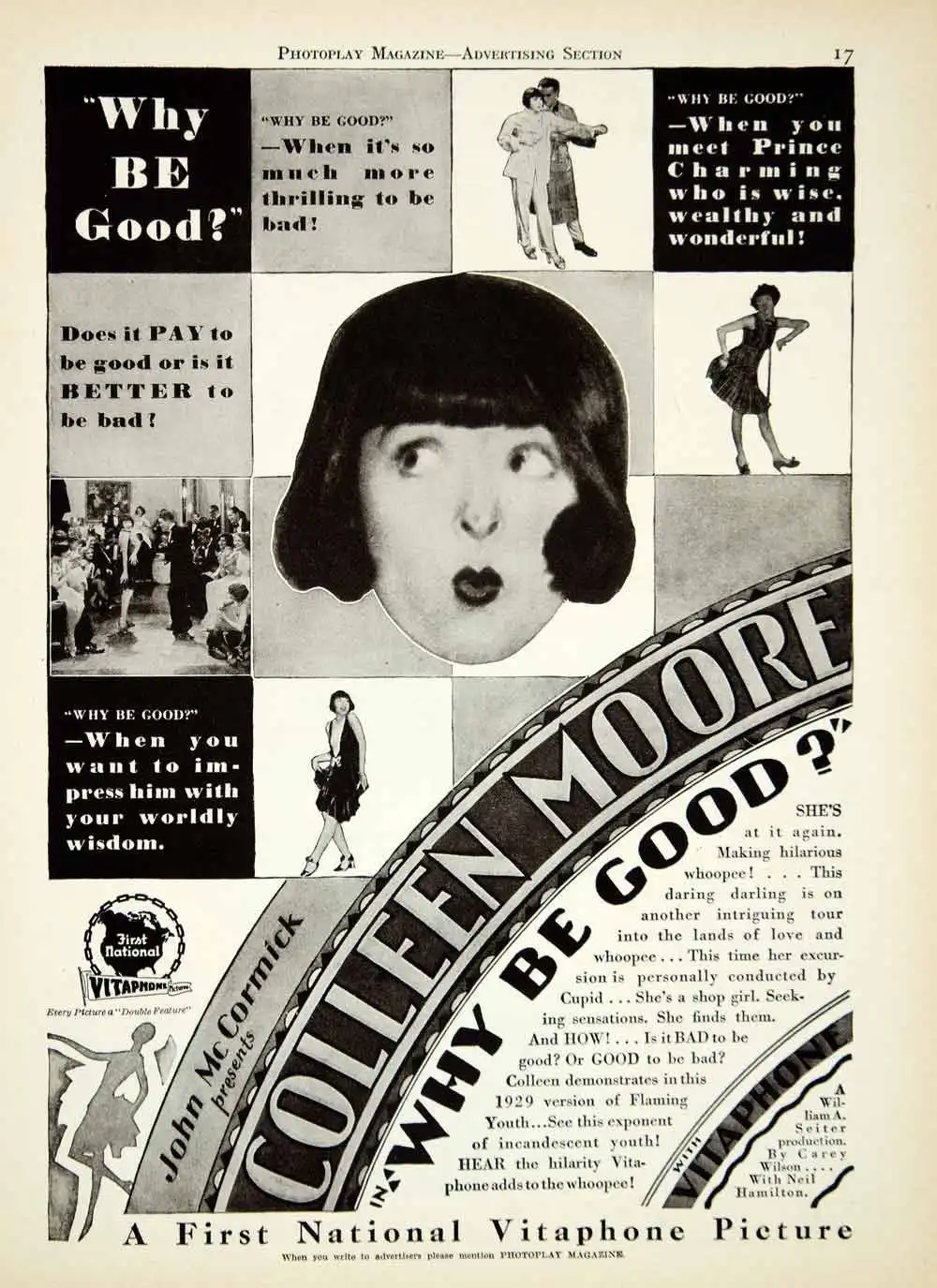
Colleen Moore as Genie is just electric. Her energy practically jumps off the screen even without a single word spoken. She just lights up every scene she’s in, especially during the dance sequences.
There's this one moment where she's just *so* happy, dancing, and then the camera cuts to someone else judging her. It’s a pretty simple contrast, but it still lands.
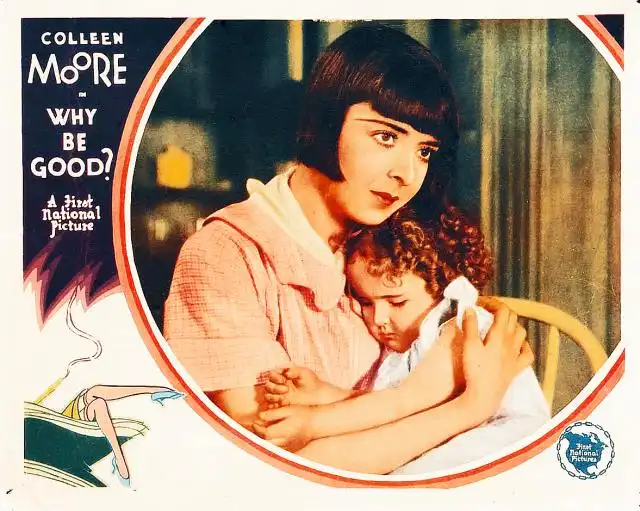
The whole "reputation" thing is a big deal here. Genie is constantly being whispered about. You can almost feel the movie trying to convince you this moment matters, like the stakes are incredibly high for her.
Jim, her boss, played by Neil Hamilton, is a bit stiff at first. He's supposed to be the 'good' one, from a 'good' family. But you can see him slowly, slowly breaking out of his shell around Genie. It’s kinda sweet. 🥰
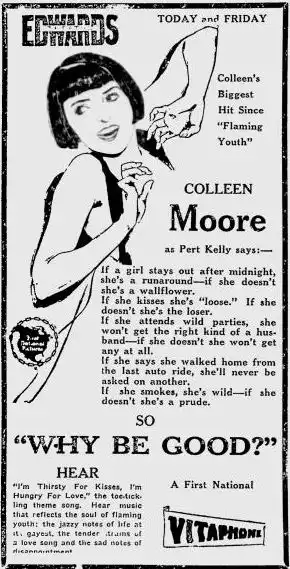
His mother, though, oh boy. She’s the ultimate arbiter of social standards. She disapproves of Genie almost immediately, and it’s all very dramatic. Her disapproving glares are something else.
The climax, where Jim brings Genie to meet his family, is a masterclass in silent film tension. The way the other women look at Genie, the way the silverware clinks just a little too loudly. It’s palpable.
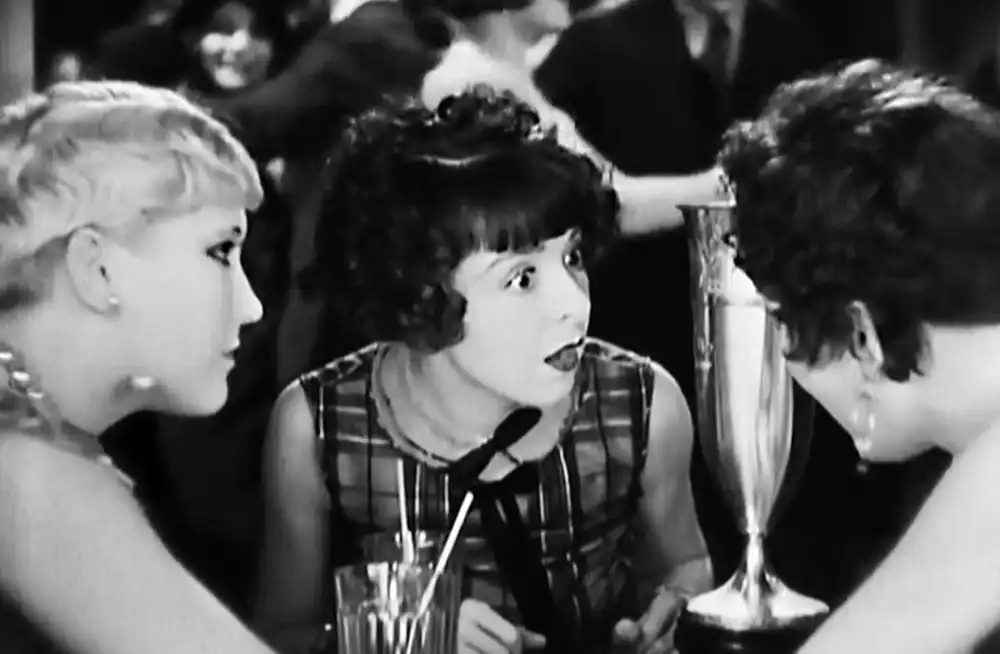
One scene lingers on a pearl necklace for what feels like ages, just after a confrontation. It’s a strange, almost hypnotic shot that doesn't really serve a clear purpose but somehow adds to the feeling of the film.
And the office party scene? It’s a mess of wild dancing and people having a bit too much fun. The crowd scenes have this oddly empty feeling sometimes, like half the extras wandered off for a smoke. Still, it captures the era’s vibe.
The pacing is… well, it’s a silent film. It asks you to slow down. Some scenes feel like they go on about 20 seconds too long, and the silence starts to feel awkward rather than emotional. But that’s part of the charm, I guess.
The intertitles are fun, sometimes a little preachy, but they get the point across. They really highlight the moral dilemma of the time: Can a woman be independent and still be considered "good"? 🤔
There’s a bit near the end where Genie has to prove herself, and it feels a little forced. Like the movie decided it needed a neat resolution rather than letting the ambiguity hang. But then again, it was 1929.
Overall, it’s a solid watch for anyone interested in classic cinema, especially the silent era. Colleen Moore really is the star here. Her performance makes the whole thing worth seeing.

IMDb 4.7
1933
Community
Log in to comment.