DbcultAccessing Vault...
Cult Review
Senior Film Conservator
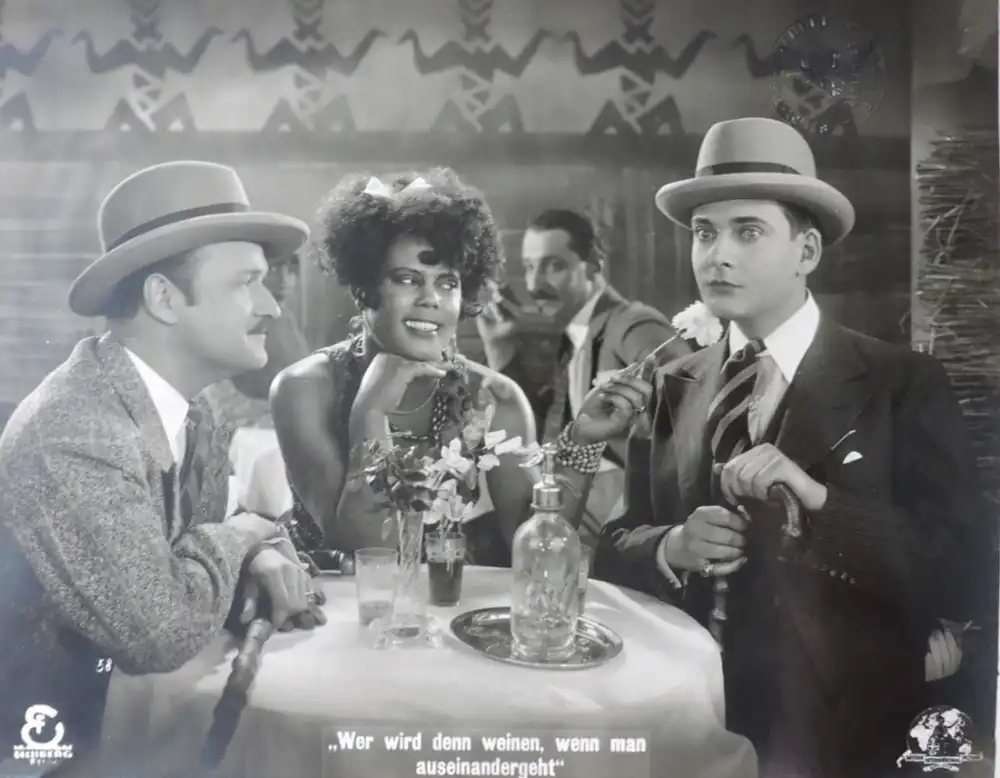
"Why Cry at Parting?" (1927) isn't for everyone, let’s just get that out there. If you’re someone who loves diving deep into silent era melodramas, or just curious about how films told stories before sound, then yeah, _absolutely_ give this one a look. But if you’re expecting anything like a modern movie, with quick cuts and natural dialogue, you’ll probably find yourself checking your watch. It’s a specific taste, a real piece of its time.
This film, helmed by Friedrich Stein and Alfred Halm’s writing, really leans into the emotional beats. You can tell they wanted every gesture, every look, to carry immense weight. Sometimes it works beautifully; other times, well, you can almost feel the movie trying to convince you this moment matters.
The whole experience of watching a film like this is so different, you know? There's no score baked in, so you're at the mercy of whatever live or recorded music accompanies it. When it’s good, it _elevates_ everything, making Adi Seitz’s pained expressions feel even more poignant.
Adi Seitz, playing what felt like the heart of the story, really commits. Her eyes, especially in the close-ups, just hold so much. You see the conflict there, the sadness, even when the intertitles aren’t on screen. It’s a masterclass in silent film acting, where everything is conveyed through the face and body.
Then you have Michael von Newlinsky, who often carries this stoic, almost unreadable quality. He’s the opposite of Seitz in a way, creating this interesting tension. His character’s quiet despair felt pretty genuine, I thought, which is hard to pull off when you’re doing such broad acting.
One scene that sticks with me is a long shot of two characters standing by a window, looking out at what I assume is a stormy sky. It goes on for a while, just them, their backs mostly to us, and the light is falling in this really dramatic way. The silence starts to feel awkward rather than emotional after about 30 seconds, but then it switches to a quick cut of a single tear rolling down Adi Seitz's cheek, and _bam_, it pulls you right back in.
The sets are often quite elaborate, almost theatrical. You get a sense of the grandeur they were aiming for, particularly in the interior scenes. There’s one drawing-room that feels huge, maybe _too_ big for the intimate drama playing out within its walls. Like half the furniture wandered off.
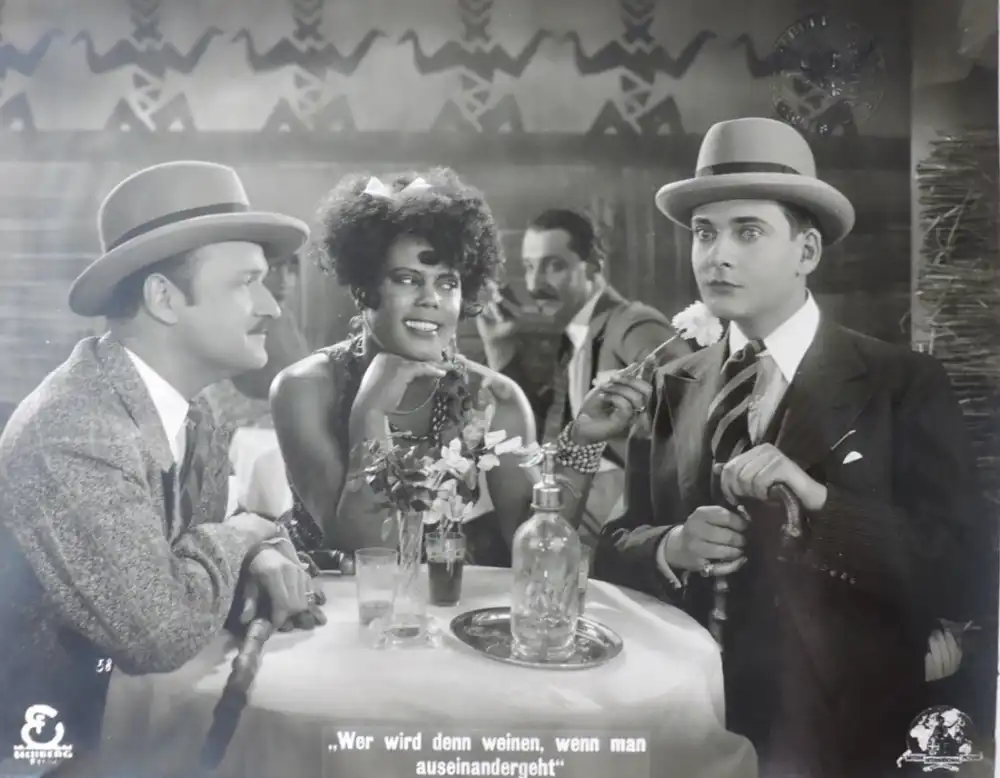
And the way they use intertitles, sometimes it’s really effective, giving you just enough to understand the stakes. Other times, a caption pops up that states the obvious, and you just think, "Yeah, I got that from the dramatic hand-wringing, thanks." 😅
Paul Morgan also has a few moments that stand out, playing a character who seemed to be a bit of a schemer, or at least someone causing trouble. He has this _smirk_ he uses, a slight curl of the lip, that tells you everything you need to know about his intentions without a single word. It’s effective, honestly. He doesn't overdo it, which is saying something for silent film.
The pacing of "Why Cry at Parting?" is definitely a product of its time. It’s deliberate, sometimes feeling a bit slow by today’s standards. But if you settle into it, let the rhythm wash over you, there's a certain charm to it. It forces you to really observe, to piece together the narrative from the visual cues.
There are these small, almost blink-and-you-miss-it details that really caught my eye. Like a particular piece of jewelry Men that Adi Seitz wears throughout the film, a locket maybe, that gets a quick, poignant shot at a crucial moment. It’s these little things that make it feel lived-in, even with all the grandiosity.
It's interesting how much you rely on the actors' physicality to tell the story. Maria Forescu, for instance, in a smaller role, managed to convey a surprising amount of world-weariness just from how she carried herself. A slight slump of the shoulders, a weary sigh. It speaks volumes without a sound.
Ultimately, this is a film for those who appreciate the artistry of a bygone era. It's a window into how emotions were portrayed and stories were told when the visual truly was everything. It might not grab everyone, but for the right viewer, it offers a rich, if sometimes _overwrought_, emotional journey. Not every observation needs analysis, just saying it's a feeling.
IMDb —
1914
Community
Log in to comment.