DbcultAccessing Vault...
Cult Review
Senior Film Conservator
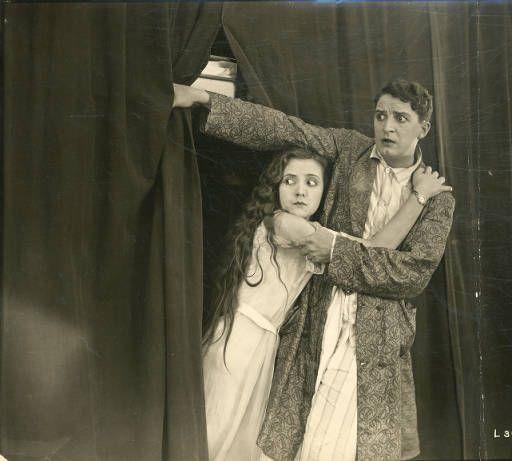
Stepping into the flickering glow of Why Smith Left Home (1919) is to immerse oneself in a delightful, albeit chaotic, testament to the enduring power of comedic misfortune. This silent era gem, penned by the collaborative talents of Elmer Harris and George Broadhurst, is far more than a simple narrative of thwarted romance; it’s a masterclass in escalating absurdity, a veritable symphony of slapstick and situational irony that keeps its audience captivated through every calamitous twist and turn. The film, a vibrant snapshot of early 20th-century cinema, captures a distinct spirit of its time, where physical comedy reigned supreme and the sheer inventiveness of a plot could carry an entire feature, often without the need for intricate character backstories or verbose dialogue.
At its core, Why Smith Left Home unravels the saga of John Brown Smith (Winter Hall) and Marian (Lois Wilson), a young couple whose impulsive elopement, spurred by the formidable disapproval of Marian's Aunt Mary (Carrie Clark Ward), sets in motion an epic gauntlet of romantic tribulations. Their initial dash to the train, an almost breathless escape towards the promise of a honeymoon at their friend Bob White's bungalow at Loon Lake, is imbued with an infectious optimism that, in retrospect, feels almost tragically naive. The film brilliantly exploits this initial hope, systematically dismantling it with a series of increasingly outlandish obstacles that conspire to deny Smith the simplest, yet most profound, symbol of their union: a first kiss from his bride. This central comedic premise – the prolonged denial of a simple act of affection – becomes the engine driving the film’s relentless momentum.
The narrative structure is akin to a meticulously constructed Rube Goldberg machine of bad luck, each event triggering a more outlandish successor. First, a devastating train wreck derails their journey, a dramatic opening salvo that immediately establishes the film's penchant for high stakes and unexpected turns. This is swiftly followed by the fiery destruction of a country hotel, forcing the hapless pair to continually recalibrate their plans. Just when a moment of respite seems possible, the omnipresent shadow of Aunt Mary, now accompanied by the imposing figure of The General (Bryant Washburn), materializes, injecting a fresh dose of societal disapproval into their already tumultuous escapade. And as if the human and mechanical elements weren't enough, a torrential storm descends, adding an elemental layer of chaos to their blighted honeymoon. It’s a relentless barrage, a cosmic joke played out on two young lovers who simply want a moment of peace and a private embrace.
What truly elevates Why Smith Left Home beyond mere slapstick is its subtle exploration of character under immense duress. Winter Hall’s portrayal of John Brown Smith is particularly noteworthy. He embodies the everyman protagonist, a figure of earnest intentions constantly buffeted by forces beyond his control. His escalating frustration, communicated through expressive pantomime that was the lifeblood of silent cinema, resonates deeply. Hall’s ability to convey a gamut of emotions – from initial hope to bewildered exasperation, and ultimately, to defiant determination – without uttering a single word is a testament to his skill. Lois Wilson, as Marian, delivers a performance that balances youthful innocence with growing disillusionment, her reactions to the unfolding calamities providing a crucial emotional anchor. Her transformation from a giddy bride to a heartbroken wife, and finally to a woman whose trust is restored, is handled with a nuanced grace that belies the often exaggerated nature of silent film acting. Carrie Clark Ward, as the disapproving Aunt Mary, is a force of nature, her stern gaze and rigid demeanor a perfect foil to the young lovers' plight. Bryant Washburn as The General adds another layer of comedic authority, his imposing presence amplifying the societal pressures weighing down on Smith and Marian, making their quest for privacy all the more challenging.
The film then introduces an insidious human element to the natural and circumstantial disasters: Julie (Mayme Kelso), a scheming maid whose calculated manipulations inject a potent dose of melodrama into the comedic framework. Julie's actions, designed to compromise the innocent Smith, are a pivotal turning point. They shift the conflict from external forces to internal trust, a far more precarious battleground for the nascent marriage. Marian, wounded and misled by Julie’s deceit, makes the heartbreaking decision to return home with her aunt and uncle, believing her husband to be unfaithful. This moment, while deeply dramatic, serves to highlight the fragility of trust and the power of perception, a theme that remains remarkably relevant even today. It underscores the idea that while physical obstacles can be overcome, the wounds of betrayal are far more difficult to heal, adding a psychological layer to what could otherwise be a purely physical comedy.
Smith’s subsequent act of kidnapping his own wife back to their intended honeymoon retreat is a bold, almost desperate, move that underscores his unwavering devotion and his refusal to succumb to the endless parade of misfortunes. It’s a testament to his character, a defiant assertion of his love against all odds, a dramatic escalation that further distinguishes this film from simpler romantic comedies. Yet, even this audacious act is met with geological defiance as an earthquake ensues, a final, cataclysmic flourish that pushes the boundaries of comedic exaggeration to their absolute limit. This final natural disaster, rather than being merely another obstacle, becomes the ultimate catalyst for truth. It is amidst this utter chaos, this literal shaking of the foundations, that Julie, her deceptions finally exposed by the sheer weight of consequence and perhaps the terrifying proximity of genuine peril, finally confesses her guilt. This confession clears Smith’s name, restoring Marian’s faith and paving the way for the long-awaited, hard-won embrace – the first kiss that has been denied for the entire duration of this epic, uproarious journey. The payoff, after such a prolonged and arduous quest, is immensely satisfying.
The ingenuity of Why Smith Left Home lies not just in its plot but in its execution. The pacing is relentless, a hallmark of early silent comedies designed to keep audiences engaged without the benefit of spoken dialogue. The visual storytelling is paramount, with every gesture, every facial expression, every intertitle meticulously crafted to convey emotion and advance the narrative. The film truly embodies the kinetic energy of its era, a time when cinema was rapidly evolving and finding its voice through movement and spectacle. The editing choices, though perhaps rudimentary by modern standards, are effective in building suspense and delivering comedic beats, demonstrating a nascent understanding of cinematic rhythm.
Comparing it to other works of the period, one can see parallels in its adventurous spirit and comedic ambition. While not a Western, the sense of a couple overcoming vast, almost insurmountable odds echoes the grand, sweeping narratives found in films like Ranson's Folly, where characters are tested by external forces and their resilience is a central theme. The sheer comedic ambition, the layering of one disaster upon another, also brings to mind the inventive spirit seen in other early comedies like Come on In, though Why Smith Left Home pushes the boundaries of misfortune to an almost operatic degree. It’s a film that understands the catharsis inherent in laughter, even when the characters on screen are enduring profound distress, a quality shared with other robust comedies of the time, such as Old Dutch, which likewise played with exaggerated scenarios for maximum comedic impact. The film stands as a testament to the creativity flourishing in the nascent film industry.
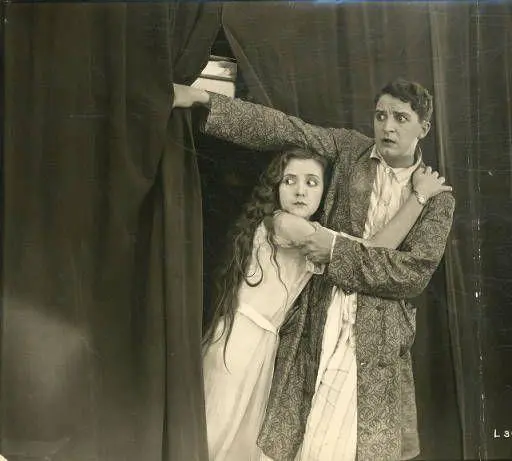
The performances are a cornerstone of the film's success, demonstrating the unique demands and artistry of silent acting. Lois Wilson, a prominent actress of the era, brings a delicate vulnerability to Marian, making her transformation from hopeful bride to disillusioned wife, and finally back to trusting partner, utterly believable despite the outlandish circumstances. Her expressive eyes and subtle shifts in posture convey a wealth of unspoken emotion. Winter Hall’s Smith is a masterclass in comedic exasperation, his physical reactions to each new calamity – the wide-eyed shock, the slumped shoulders of defeat, the sudden bursts of renewed determination – a source of constant amusement. The supporting cast, particularly Carrie Clark Ward as the indomitable Aunt Mary and Bryant Washburn as The General, provide excellent character foils, their rigid formality and disapproving glares amplifying the societal pressures and comedic tension. Even Mayme Kelso’s Julie, though a villain, is portrayed with enough conviction to make her machinations feel genuinely disruptive to the plot, not just a convenient plot device, adding a layer of human malice to the otherwise natural or accidental misfortunes.
One might ponder the deeper implications of such a relentless onslaught of bad luck. Is it merely for comedic effect, or does it speak to a broader commentary on the challenges inherent in forging a life together? Perhaps it suggests that true love, much like a first kiss, must be earned through trial by fire, water, and even earthquake. The film, in its own charmingly exaggerated way, posits that the journey to marital bliss is rarely a smooth one, and that resilience, forgiveness, and a dash of stubborn determination are essential ingredients. This thematic depth, however subtly presented beneath layers of physical comedy, is what gives Why Smith Left Home its enduring appeal, elevating it beyond a simple farce to something with a touch more resonance.
The writers, Elmer Harris and George Broadhurst, demonstrate a keen understanding of comedic timing and narrative escalation. They craft a scenario where each setback feels both inevitable and utterly surprising, a delicate balance that few screenwriters manage to achieve. The dialogue, conveyed through intertitles, is sharp and often witty, providing context and adding another layer to the characters' personalities. The visual gags are plentiful and well-executed, ranging from broad physical comedy to more subtle expressions of exasperation. Their collaborative effort created a script that, even without spoken words, tells a compelling and uproarious story through action and reaction.
Considering the constraints of silent film production, the spectacle presented in Why Smith Left Home is quite impressive. The train wreck, the hotel fire, and particularly the earthquake sequence would have required considerable effort and ingenuity for the time, likely involving miniatures, forced perspective, and clever practical effects. These ambitious set pieces not only serve the plot but also showcase the burgeoning capabilities of cinematic storytelling, pushing the boundaries of what was thought possible on screen. The film isn't just about a couple's journey; it's a journey through the capabilities of early cinema itself, demonstrating how filmmakers were already striving for grand visual effects to enthrall audiences.
The enduring charm of Why Smith Left Home lies in its ability to transcend its era. While it’s a product of the silent film age, its themes of love, perseverance, and the absurdity of life’s obstacles are timeless. Audiences today, accustomed to sophisticated CGI and intricate dialogue, can still find immense enjoyment in the raw, unadulterated comedic energy and heartfelt performances. It’s a reminder that compelling storytelling doesn't always require sound or color; sometimes, a well-placed pratfall and an expressive glance are all you need to communicate universal truths and evoke genuine laughter. The film's continued watchability speaks volumes about its fundamental quality.
The film also inadvertently offers a fascinating glimpse into the social mores of the time. Aunt Mary's disapproval, while a comedic device, reflects the societal expectations and familial pressures that young couples often faced when making life-altering decisions. The emphasis on the "first kiss" as a symbolic culmination of their union speaks volumes about the romantic ideals prevalent at the dawn of the 20th century, where such gestures carried significant weight and represented the ultimate intimacy. In this way, Why Smith Left Home functions not just as entertainment, but as a cultural artifact, preserving a slice of history for contemporary viewers and offering insights into the values and anxieties of a bygone era.
For those interested in the evolution of comedy, this film is a vital watch. It showcases the transition from simpler, more direct gags to elaborate, multi-layered comedic scenarios. The continuous escalation of problems, from a simple disapproving aunt to natural disasters and human treachery, demonstrates a sophisticated understanding of how to build comedic tension and release. It paved the way for future generations of filmmakers who would continue to explore the comedic potential of human foibles and the unpredictable nature of existence, influencing countless romantic comedies and adventure films that followed. It's a foundational text for understanding the development of cinematic humor.
In conclusion, Why Smith Left Home is more than just a historical curiosity; it’s a vibrant, exhilarating cinematic experience that stands tall in the pantheon of silent comedies. Its relentless pursuit of humor through adversity, its engaging characters, and its ambitious spectacle make it a truly memorable film. It reminds us that sometimes, the greatest obstacles in life are merely opportunities for the most uproarious adventures. The final kiss, when it finally arrives, isn't just a physical act; it's a triumph, a culmination of an epic journey against all odds, and a testament to the enduring power of love, laughter, and sheer, stubborn determination. It’s a film that leaves you with a smile, a chuckle, and a newfound appreciation for the chaotic beauty and inventive spirit of early cinema. Truly, a delightful discovery for any film enthusiast.
IMDb —
1916
Community
Log in to comment.