DbcultAccessing Vault...
Cult Review
Senior Film Conservator
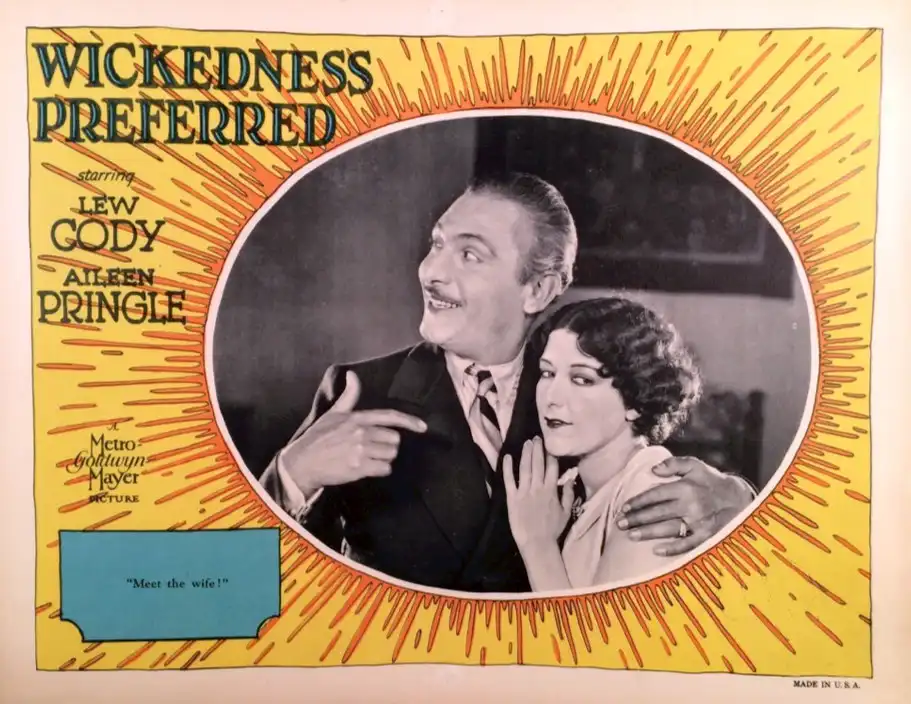
Is Wickedness Preferred worth a look today? Absolutely, if you're someone who enjoys digging into the often-overlooked corners of classic cinema, especially those early, sometimes creaky, productions. You'll probably get a kick out of it if you appreciate character studies where the "wickedness" is more about a woman's quiet defiance than actual villainy. But if you need fast pacing and clear-cut heroes and villains, this one might just bore you stiff. 😴
Aileen Pringle as Lillian has this *look* in her eyes sometimes. Like she's trying to hold back a giggle at the sheer absurdity of polite society. You see it clearest when her Aunt Beatrice (Julia Griffith, I think?) is lecturing her about proper decorum. Lillian just nods, but her eyes are doing a whole other conversation, a real subtle performance.
There's this one shot, very early on, of Lillian's perfectly set tea table. Everything is so precise, so *still*. Then she just kinda flicks a sugar cube with her finger, and it rolls off the table. It's a tiny, almost invisible moment, but it tells you everything about how she feels about all that suffocating order.
George K. Arthur plays the suitor, Mr. Henderson, who's just *so* earnest. He means well, you know? But his proposals are all about what society expects, not what Lillian wants. His earnestness almost becomes a bit of a running joke; you can almost feel the movie trying to convince you this moment matters.
The director, or maybe the editor, who knows with these old films, lingers on Henderson's face for what feels like an eternity after Lillian gently declines his offer. His jaw just hangs open a little. It's not a dramatic collapse, just a *slight*, drawn-out moment of confusion. That scene goes on about 20 seconds too long, and the silence starts to feel awkward rather than emotional. 😬
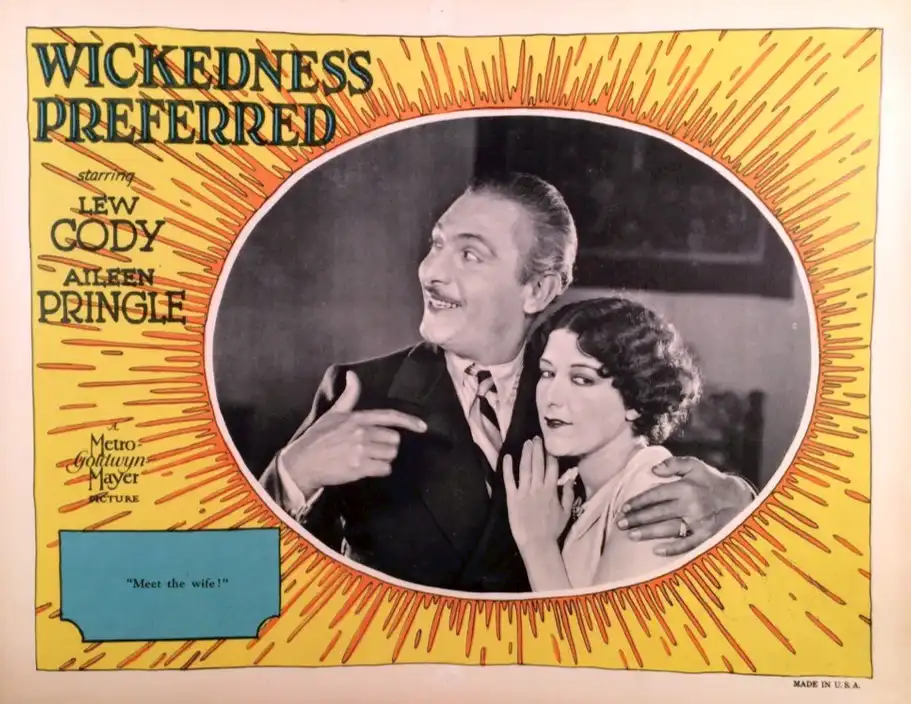
Later, Lew Cody as Jack, a less "respectable" acquaintance, offers Lillian a ride in his rather flashy, open-top car. The way he grins, all charming and a bit mischievous, really contrasts with Henderson's stiff formality. You know *instantly* which one Lillian finds more interesting, even if it's the "wrong" choice.
The scene where Lillian walks through the park, and everyone whispers behind their hands. The camera almost *drifts* past these extras, not really focusing, but you catch glimpses of their judgmental faces. It’s not a huge, dramatic moment, but it’s effective at showing the weight of expectation.
There's a point where Lillian actually *laughs out loud* during a very formal social gathering. It's not a polite titter. It's a genuine, slightly unruly laugh, and you can practically see the pearls clutched in the background. That felt *real*, almost like a little rebellion bursting out.
Bert Roach is great as the perpetually flustered butler, always on the verge of dropping something. His little nervous coughs in the background add this weird, almost comedic counterpoint to some of the heavier dramatic moments. I kept thinking about that butler.
The ending isn't some grand triumph or tragic downfall. It's much quieter. Lillian just… walks away, perhaps to an uncertain future, but with a definite sense of *her* choice. It's not tied up in a neat bow, and I appreciated that it didn't try to be. The movie gets noticeably better once it stops taking itself so seriously and just lets Lillian *be*.
It's not perfect, not by a long shot, but there's a certain charm to its slight awkwardness and its simple, yet effective, storytelling. If you like seeing a character find their own way, even when it’s not the easy way, you’ll find something to like here.
IMDb —
1924
Community
Log in to comment.