DbcultAccessing Vault...
6.5/10
Senior Film Conservator
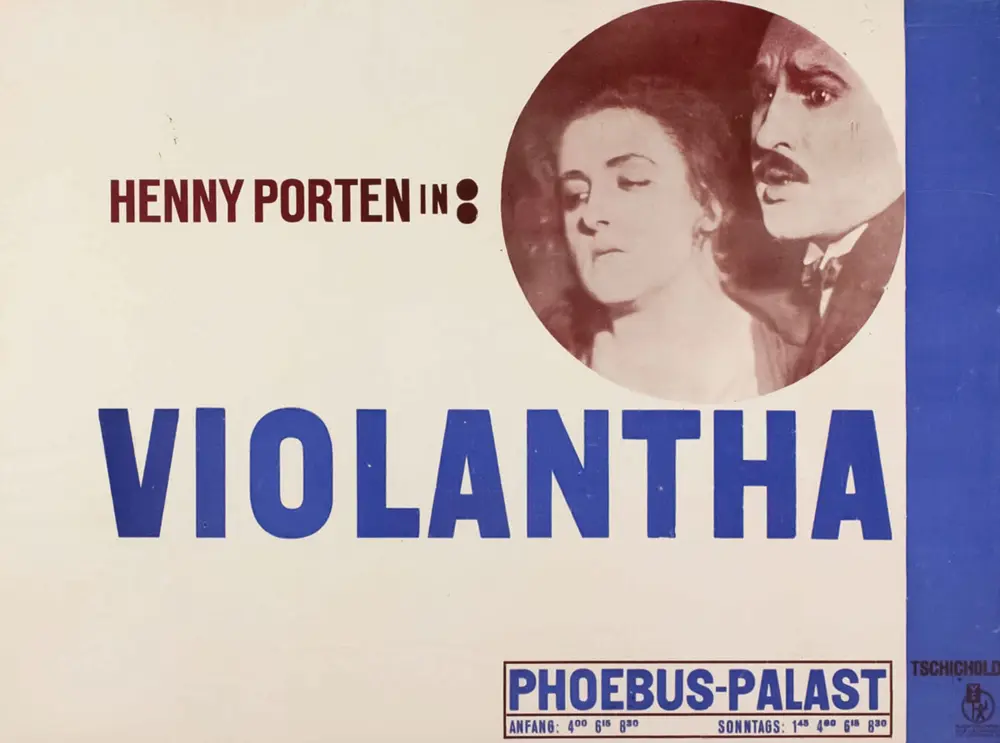
A definitive 6.5/10 rating for a film that redefined the boundaries of cult cinema. Violantha remains a cornerstone of transgressive art.
Violantha is a 1928 German drama that still resonates for its raw emotional core. It is a film for lovers of classic cinema who can tolerate intertitles and grain, and it is not for viewers seeking fast‑paced action or modern special effects.
This film works because Henny Porten delivers a quietly ferocious performance that anchors the narrative.
This film fails because its pacing drags in the second act, testing contemporary attention spans.
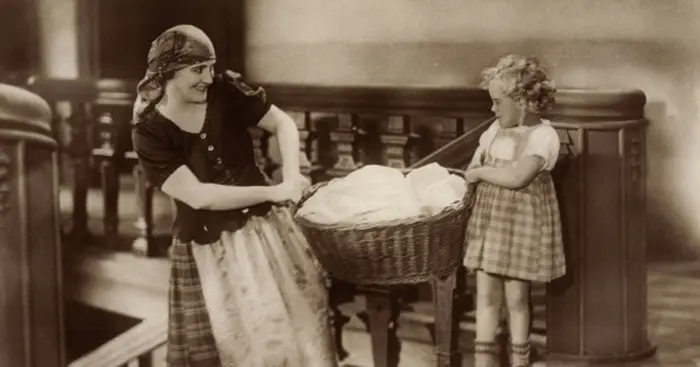
You should watch it if you enjoy character‑driven stories that explore the tension between personal desire and communal duty.
Yes, but with reservations. The film offers a window into Weimar‑era storytelling, yet its silent‑film conventions can feel alien to modern eyes. For historians and cinephiles, it’s a valuable artifact; for casual viewers, the slow burn may prove taxing.
Porten’s portrayal of Violantha is a study in restrained intensity. In the garden confrontation scene, where Violantha rebuffs Max’s marriage proposal, her eyes convey a storm of longing and resignation without a single word. This moment eclipses the melodramatic gestures typical of the era.
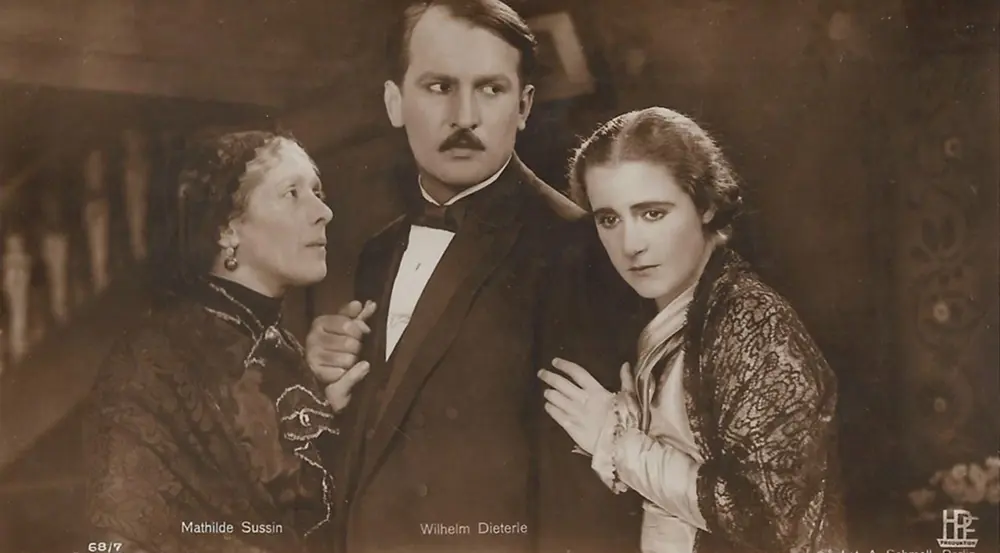
William Dieterle, later a celebrated director, shines as the itinerant musician. His subtle smile in the tavern duet scene hints at a rebellious spirit that the script only hints at. In contrast, Elsa Wagner’s mother is a caricature of self‑sacrifice, bordering on melodrama, which I find unnecessarily overwrought.
Directors Walter Supper and Hans Wilhelm craft a visual rhythm that mirrors Violantha’s internal conflict. The recurring motif of rain—most striking in the funeral sequence—acts as a visual metaphor for cleansing and loss. However, the script, co‑written by Ernst Zahn, suffers from an overreliance on coincidence; the brother’s death feels contrived, a plot device rather than organic tragedy.
An unconventional observation: the film’s final tableau, a static shot of Violantha standing alone in the empty village square, predates the modernist static compositions of directors like Ozu. It’s a bold, almost avant‑garde choice that anticipates later cinematic language.
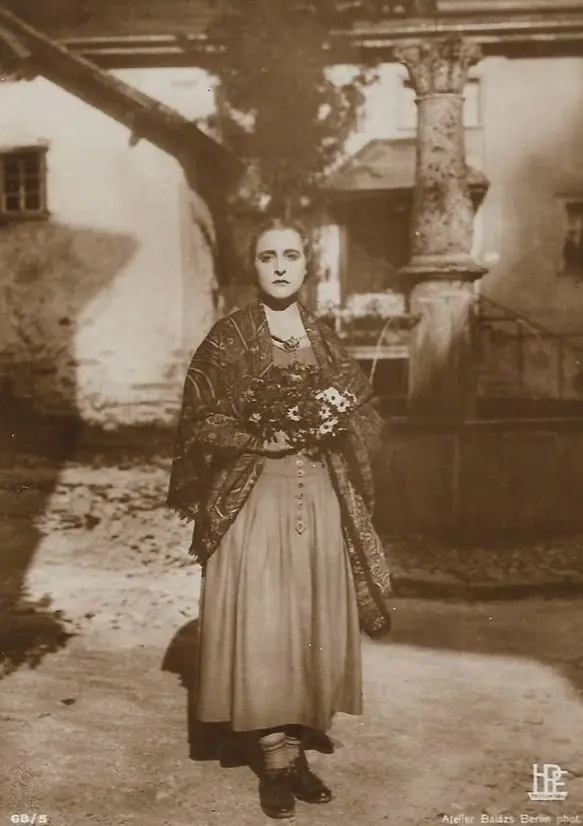
Cinematographer Gerd Fricke employs chiaroscuro lighting to emphasize emotional dualities. The contrast between the warm, sun‑lit fields where Violantha works and the shadow‑filled interior of the church where she confesses her love is striking. The famous “window silhouette” scene, where Violantha watches the train disappear, uses natural light to create a haunting silhouette that lingers in memory.
Yet, the film’s static camera work can feel stagnant. While the composition is meticulous, the lack of camera movement during the climactic argument between Violantha and Max reduces the tension, making the scene feel more theatrical than cinematic.
The first act moves briskly, establishing characters and stakes within twenty minutes. The second act, however, drags as the narrative dwells on village rituals and superfluous subplots, such as the minor character of the town baker (Karl Platen) who offers unsolicited advice.
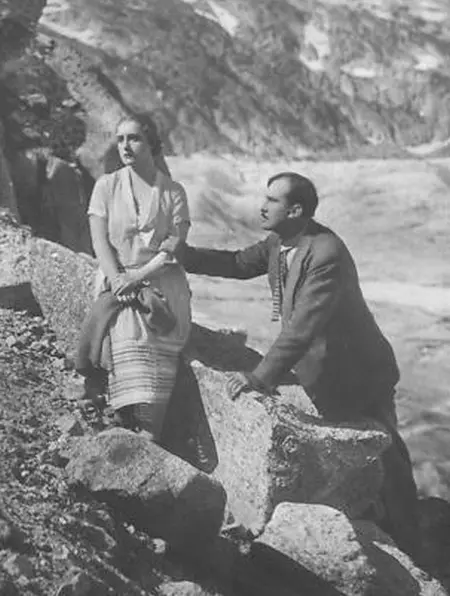
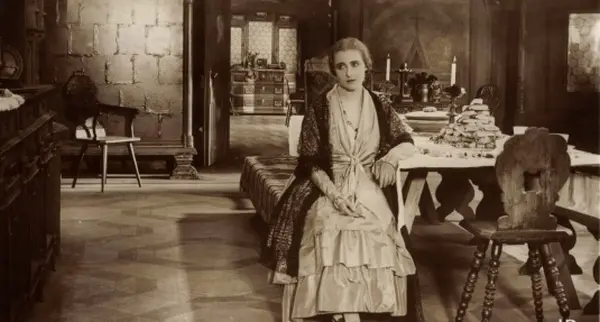
Tone shifts are handled deftly in the moments of quiet intimacy—especially the candlelit dinner where Violantha and the musician share a silent toast. These scenes inject warmth into an otherwise austere drama.
Compared to Henny Porten’s performance in Queen of Spades, Violantha is less flamboyant but more nuanced. While Queen of Spades leans into gothic melodrama, Violantha grounds its emotional stakes in everyday rural life, making its heartbreak more palpable.
In contrast, the pacing issues resemble those in Old Home Week, where narrative inertia undermines otherwise strong performances.
Pros
Cons
Violantha is not a universal crowd‑pleaser, but it is a richly textured piece of cinema history that rewards patience and attention. It works because of Porten’s magnetic presence and the film’s visual poetry; it fails where the script leans on convenient tragedy and the pacing stalls. If you relish silent‑era dramas and can overlook its slower moments, you’ll find a quietly powerful story about sacrifice and identity.
It works. But it’s flawed.
IMDb 5.8
1919
Community
Log in to comment.