DbcultAccessing Vault...
Cult Review
Senior Film Conservator
Stepping out of the flickering shadows of early cinema, "The Stepping Stone" (1916) emerges not merely as a relic of a bygone era, but as a surprisingly potent and prescient drama, its narrative threads weaving a complex tapestry of ambition, betrayal, and the quiet resilience of the human spirit. Directed with a keen eye for the emotional landscape, this film, penned by C. Gardner Sullivan, delves into the often-unseen sacrifices that underpin societal success, particularly when viewed through the restrictive lens of early 20th-century gender dynamics. It's a story that resonates with a timeless quality, exploring the insidious nature of unearned privilege and the ultimate triumph of genuine worth over superficiality. The silent screen, often dismissed as simplistic, here becomes a profound canvas for nuanced emotional expression, where gestures and gazes communicate volumes, allowing the audience to project their own interpretations onto the rich psychological terrain presented. The film’s ability to convey such intricate human drama without spoken dialogue is a testament to the artistry of its creators and the compelling performances of its cast.
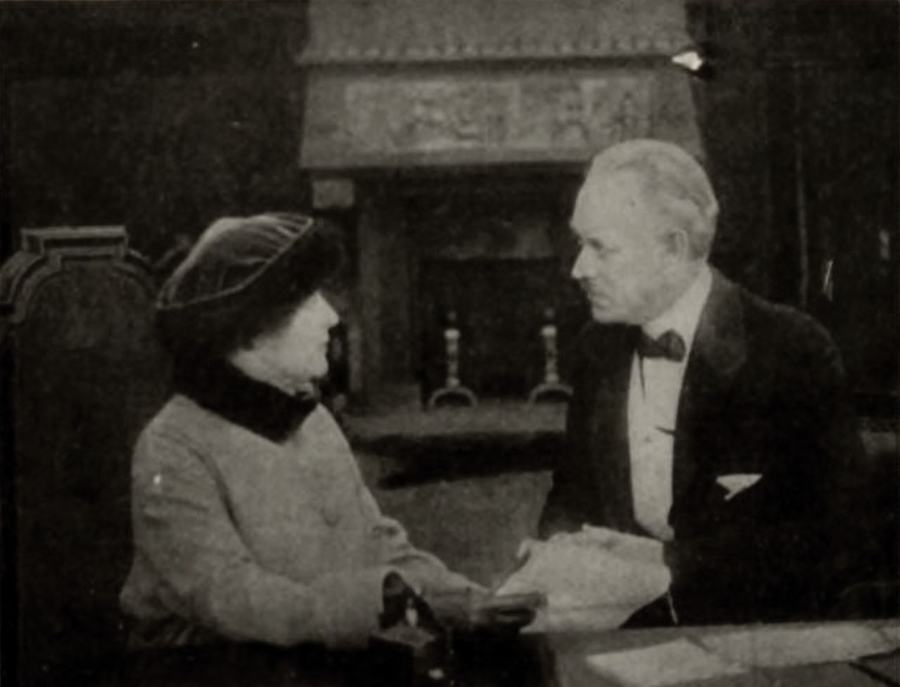
At its narrative core is Mary Beresford, portrayed with remarkable depth and quiet dignity by Mary Boland. Mary is the quintessential devoted wife, a figure whose unwavering loyalty and profound inner strength become the very bedrock upon which her husband's precarious career is built. Her husband, Al Beresford, brought to life with a convincing blend of superficial charm and profound indolence by Robert McKim, is a man whose aspirations far outstrip his actual effort. He holds a respectable position, yes, but only because Mary tirelessly completes his work in the quiet solitude of their home after hours, her contributions entirely invisible to the outside world. This initial setup immediately establishes a profound imbalance, a silent contract of exploitation that forms the dramatic tension of the entire piece. It’s a situation that, regrettably, feels less like a historical artifact and more like a perennial struggle, echoing through the corridors of time to contemporary discussions about invisible labor and emotional burdens within relationships. The film masterfully sets the stage for a tragic unraveling, painting Mary as a woman whose identity is dangerously intertwined with her husband's manufactured success, a theme explored with different cultural nuances in films like Fauvette or the more direct suffering depicted in Without Hope.
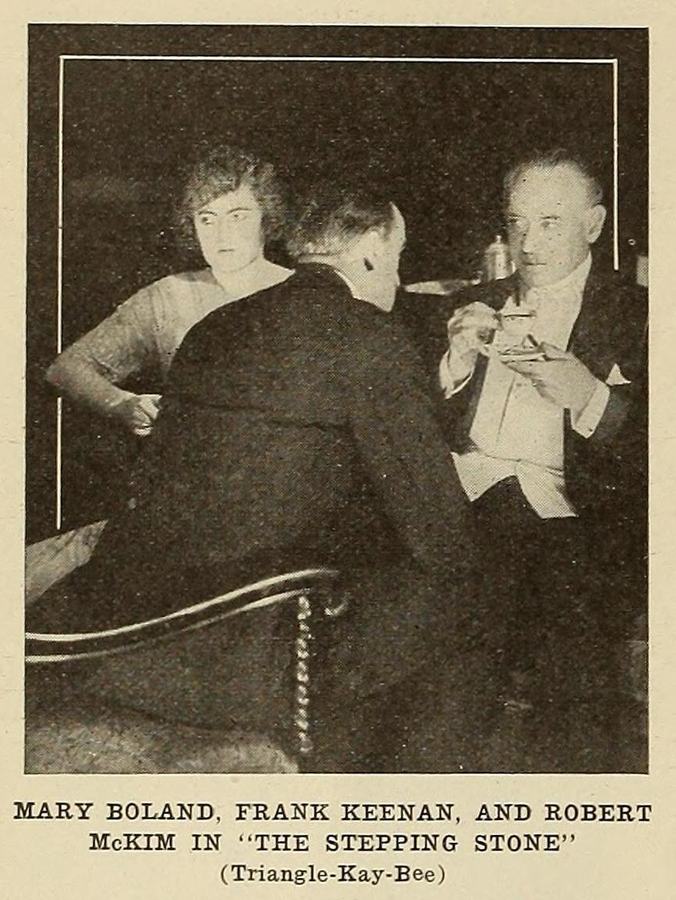
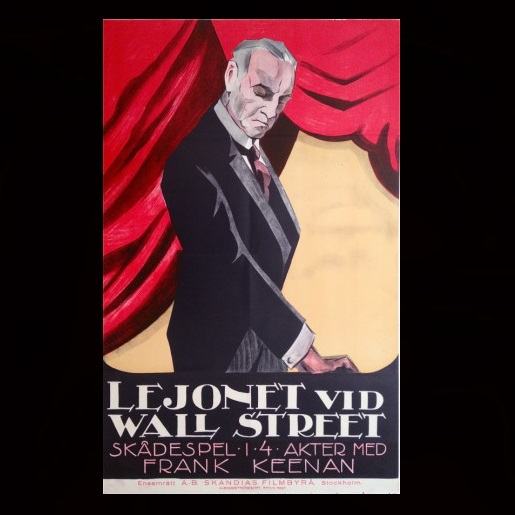
The catalyst for the film's dramatic escalation arrives in the form of a particularly urgent and complex report, entrusted to Al for a distinguished client. True to form, Al procrastinates, bringing the unfinished task home, where Mary, ever the dutiful partner, takes up the mantle. When Al feigns a convenient headache and retreats to bed, it falls to Mary to complete the arduous work and, in a pivotal moment, deliver it personally to Elihu Jasper. Frank Keenan imbues Jasper with an almost formidable gravitas – he is a powerful operator, a titan of Wall Street, and a man accustomed to discerning true worth beneath the veneers of society. Living in solitary grandeur, Jasper is immediately drawn to Mary's quiet dignity and undeniable competence, a stark contrast to the superficiality and avarice he likely encounters daily in his high-stakes world. This encounter is the literal "stepping stone" of the title, a seemingly innocuous act that irrevocably alters the trajectory of Mary's life and the fate of those around her. It’s here that the film begins to explore the complex interplay of power, attraction, and mentorship, as Jasper, recognizing Al's inherent unworthiness, nonetheless extends his patronage for Mary’s sake, setting in motion a chain of events that will reshape their destinies.
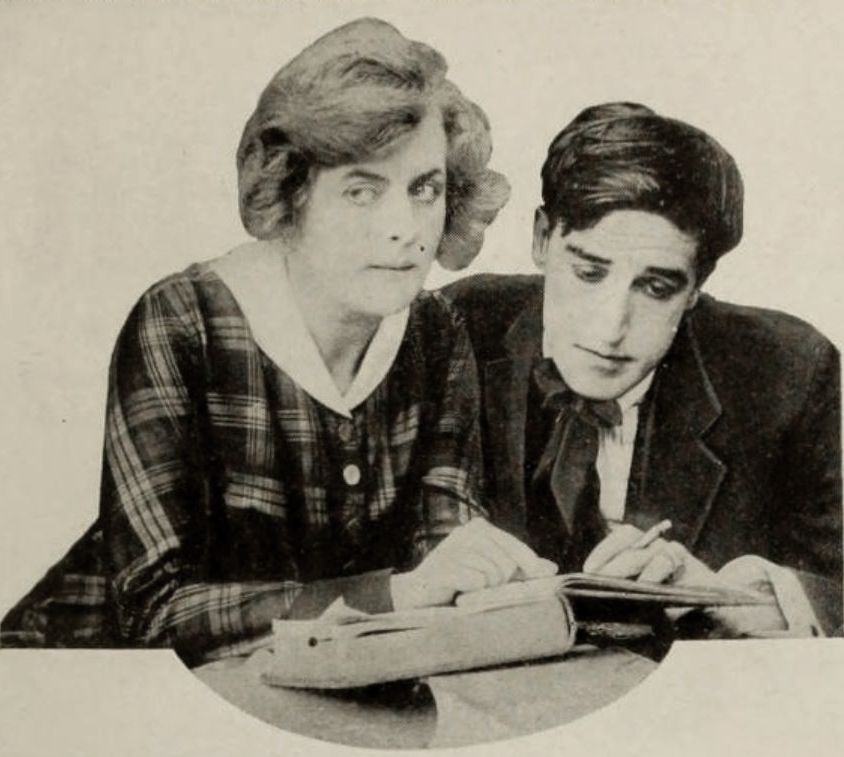
Jasper’s intervention is a fascinating study in moral ambiguity and calculated benevolence. He bestows upon Al a series of lucrative tips, transforming the Beresfords' modest existence into one of palatial luxury. This patronage, however, is not born of respect for Al, but rather a silent, burgeoning admiration for Mary, an appreciation for her genuine character that Al so conspicuously lacks. Jasper becomes a frequent, if somewhat detached, visitor to their opulent new home, his boredom with Al's burgeoning egotism palpable, his gaze always subtly drawn to Mary, a silent acknowledgment of her true value. This period of false prosperity serves as a crucial dramatic irony: Al, blinded by hubris and utterly convinced of his own brilliance, attributes his meteoric rise solely to his own (non-existent) efforts. He sees Mary, the true architect of his success, not as a partner, but as a hindrance, an anchor dragging down his self-inflated ascent. This delusion culminates in a cruel demand for freedom, as Al, infatuated with a society widow, seeks to shed the woman who made his entire life possible. The film brilliantly portrays this moral decay, reminiscent of the self-destructive tendencies seen in narratives like Die Faust des Riesen, where ambition devours its own, leaving a trail of broken promises and discarded loyalties.
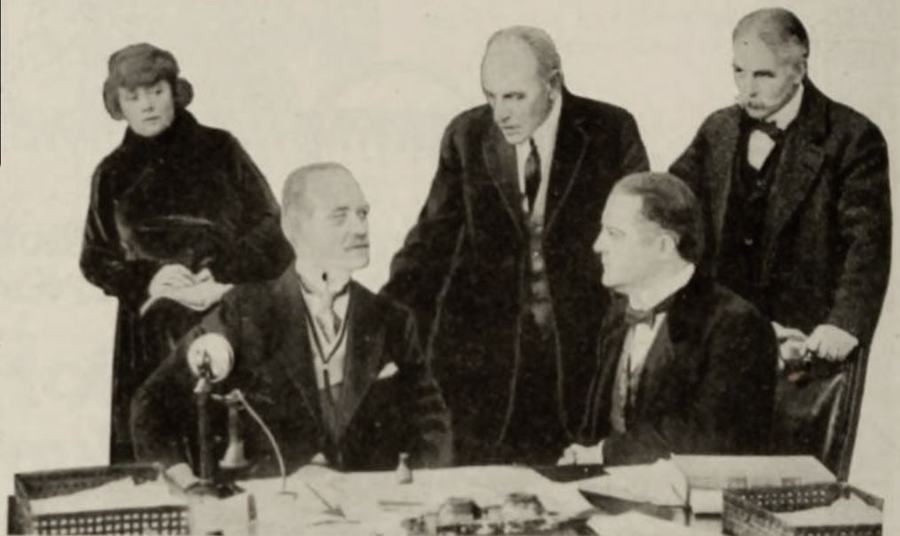
With Mary cast aside and swallowed by the anonymity of the world, her fate uncertain, the narrative takes a sharp, almost noir-ish turn. Jasper, informed of Mary's plight by her loyal maid, unleashes a calculated and chilling retribution. His mind, honed by decades in the cutthroat world of Wall Street, swiftly formulates a plan. Al Beresford, whose entire fortune was built on Jasper's subtle manipulations, is systematically wiped out in the market. The fall is swift, brutal, and utterly devastating, culminating in Al's desperate suicide. This dramatic shift from quiet domestic drama to high-stakes financial vengeance is one of the film's most compelling elements, showcasing the raw, unbridled power wielded by figures like Jasper. It positions Jasper not merely as a romantic interest, but as an almost elemental force of justice, a figure who rectifies imbalances with ruthless efficiency. This segment echoes the dramatic reversals found in films like The Ghosts of Yesterday, where past actions inevitably lead to present consequences, or even the grander schemes in Le nabab, though with a more personal, deeply felt vendetta at its heart. The swiftness of Al's demise serves as a stark warning against hubris and ingratitude.
Following Al's demise, the film transitions into a prolonged and poignant quest: Jasper's relentless hunt for Mary. It's a testament to his burgeoning affection and profound respect, a quiet acknowledgment of her intrinsic worth that transcends the material and superficial. The search is not straightforward, adding a layer of suspense and emotional longing to the narrative, as Jasper navigates the vastness of the city, seeking a needle in a haystack. The climax arrives not in a grand romantic gesture, but amidst the familiar battleground of Wall Street, a place of both destruction and creation. Jasper, engaged in a fierce struggle to thwart a plot to deprive him of a profitable mine, finds himself confronting not just financial adversaries, but also his own emotional destiny. It is in this crucible of corporate warfare, amidst the clamor of brokers and the tension of high stakes, that he discovers Mary, now working discreetly as the secretary of his broker. The juxtaposition of high finance and deep personal connection is expertly handled, creating a moment of profound recognition and relief. He saves his mine, a symbol of his enduring power and foresight, and in doing so, finally wins the woman, completing a cycle of injustice, retribution, and ultimate redemption. This resolution, while perhaps fitting for the era, also raises interesting questions about agency and destiny, themes that could be contrasted with films like The Child of Destiny, where fate is more overtly defined, or the struggles for control seen in Az aranyásó.
The performances are uniformly strong, particularly from Mary Boland, whose portrayal of Mary Beresford manages to convey both vulnerability and an unyielding inner strength without uttering a single word. Her nuanced expressions, subtle gestures, and profound gazes communicate the immense weight of her sacrifices and the quiet dignity of her perseverance, making her character deeply sympathetic and relatable. Frank Keenan as Jasper is a towering presence, embodying a complex blend of ruthless pragmatism and a surprising capacity for genuine affection. His character is the moral compass, albeit a pragmatic one, guiding the narrative towards its eventual justice. Even Robert McKim, as the odious Al, manages to elicit the audience's disdain effectively, making his eventual downfall all the more satisfying and cathartic. The supporting cast, including Joseph J. Dowling, Margaret Thompson, and J. Barney Sherry, contribute effectively to the rich tapestry of early 20th-century society, each playing their part in the intricate machinery of the plot, enhancing the film's authenticity and depth. The visual storytelling, characteristic of the era, uses dramatic close-ups and sweeping long shots to emphasize emotional states and the vastness of the urban landscape.
"The Stepping Stone" is more than just a melodrama; it's a profound commentary on the societal structures that allow for exploitation, and the forces that eventually bring about equilibrium. It implicitly questions the nature of success when it's built on the backs of others, and celebrates the eventual recognition of true merit, often found in the most unassuming places. The film’s narrative arc, from quiet suffering to dramatic comeuppance and ultimately to a hard-won peace, makes it a compelling watch, demonstrating the enduring power of classic storytelling. It stands as a testament to the power of silent film to convey profound human truths, often with more subtlety and emotional impact than many later productions. For aficionados of classic cinema, or anyone interested in the evolution of storytelling, "The Stepping Stone" offers a rich, rewarding experience, a true gem from an era often overlooked. It's a powerful reminder that even in the absence of spoken dialogue, the human story, in all its complexity and emotional resonance, can shine with an undeniable brilliance. Much like the enduring spirit found in tales such as Colorado or the determined fight in Won on the Post, this film champions the quiet hero, proving that true strength often lies in perseverance and an unshakeable moral compass. Its themes remain surprisingly relevant, offering a mirror to contemporary struggles for recognition and justice.
IMDb —
1929
Community
Log in to comment.