DbcultAccessing Vault...
Cult Review
Senior Film Conservator
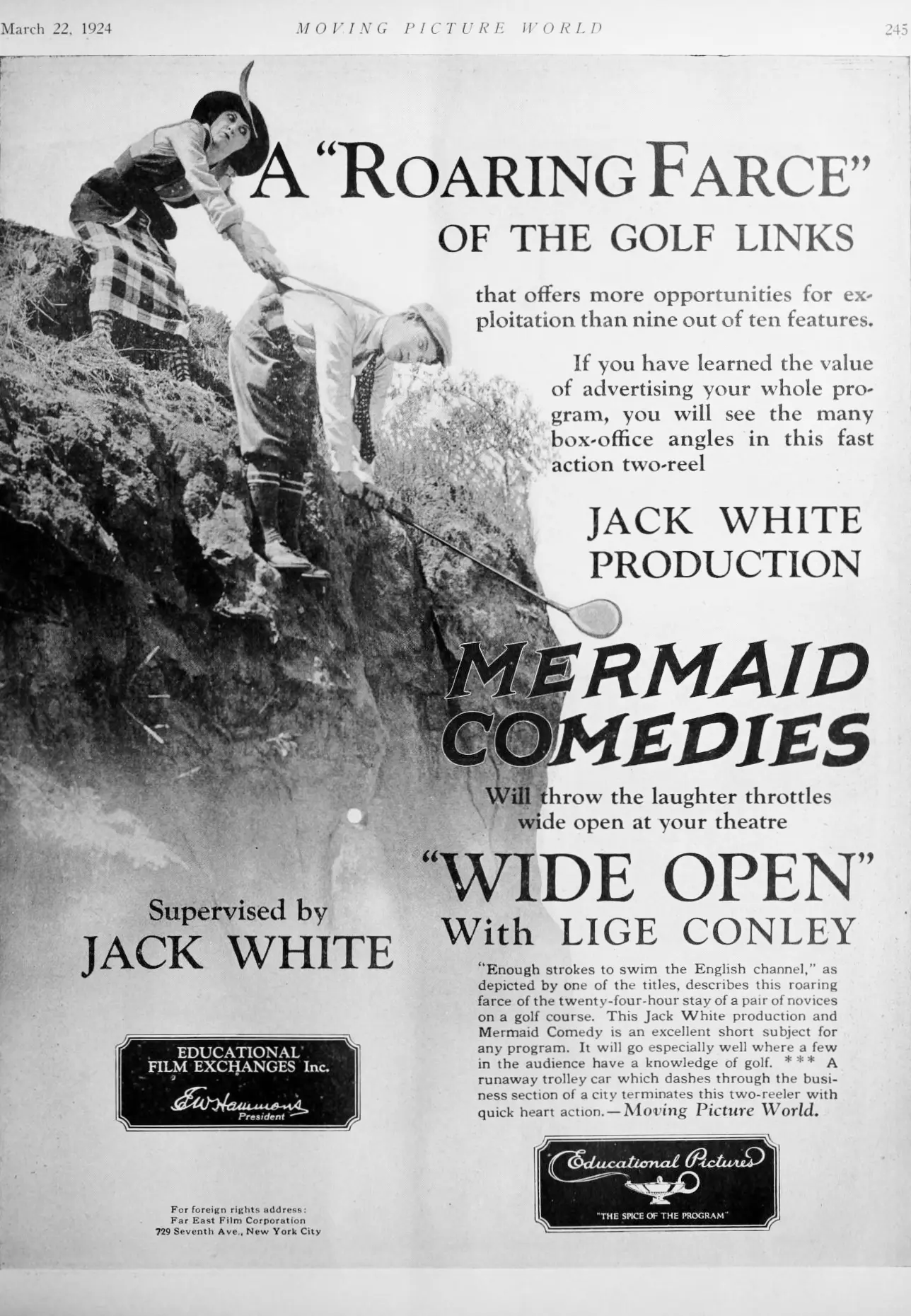
The very title, "Wide Open," serves as a prescient warning, a cheeky wink to the audience that what they are about to witness is a world unburdened by predictability, a narrative canvas where chaos reigns supreme and the most mundane aspirations are destined to collide with the most extraordinary, and often ridiculous, obstacles. This 1920s silent comedy, directed by Fred Hibbard, is a masterclass in escalating absurdity, a vibrant, kinetic spectacle that perfectly encapsulates the spirit of an era enamored with physical humor and the delightful dismantling of everyday order. It doesn't merely tell a story; it launches you headfirst into a whirlwind of slapstick, a meticulously choreographed symphony of misfortune that leaves you breathless with laughter and a profound appreciation for the intricate dance of comedic timing.
At its heart are Mr. and Mrs. Hazard, portrayed with impeccable comedic flair by Lige Conley and Peggy O'Neill, respectively. Their ambition is gloriously simple: a quiet afternoon of golf. It’s a desire so universally relatable, so utterly benign, that its inevitable, spectacular derailment becomes all the more uproarious. Conley, a lesser-known gem in the pantheon of silent comedians, possesses a rubbery physicality and an expressive face that conveys a thousand exasperated thoughts without the need for a single intertitle. He embodies the everyman, the unsuspecting citizen whose meticulously laid plans are consistently, hilariously, and irrevocably undone by the capricious whims of fate and the sheer, unadulterated madness of the modern world. His Mr. Hazard is not a grand adventurer or a suave romantic lead; he is a man who simply wants to hit a small white ball, and his journey to that elusive goal becomes a testament to human perseverance in the face of relentless, mechanical chaos.
Peggy O'Neill, as Mrs. Hazard, is the perfect foil. Her reactions are often a blend of bewildered resignation and a sharp, understated wit. She’s not merely a damsel in distress; she’s an active participant in the unfolding pandemonium, her presence grounding Conley’s more exaggerated antics while still contributing her own brand of comedic exasperation. The dynamic between them is a joy to behold, a subtle dance of marital understanding and shared disbelief as their world quite literally tumbles around them. They are a united front against the forces of comedic entropy, their shared goal of reaching the golf course becoming a symbol of their resilience, however futile it may ultimately prove to be. The film doesn't rely on grand romantic gestures or deep psychological explorations; instead, it finds its emotional core in the simple, exasperated solidarity of a couple just trying to get through the day.
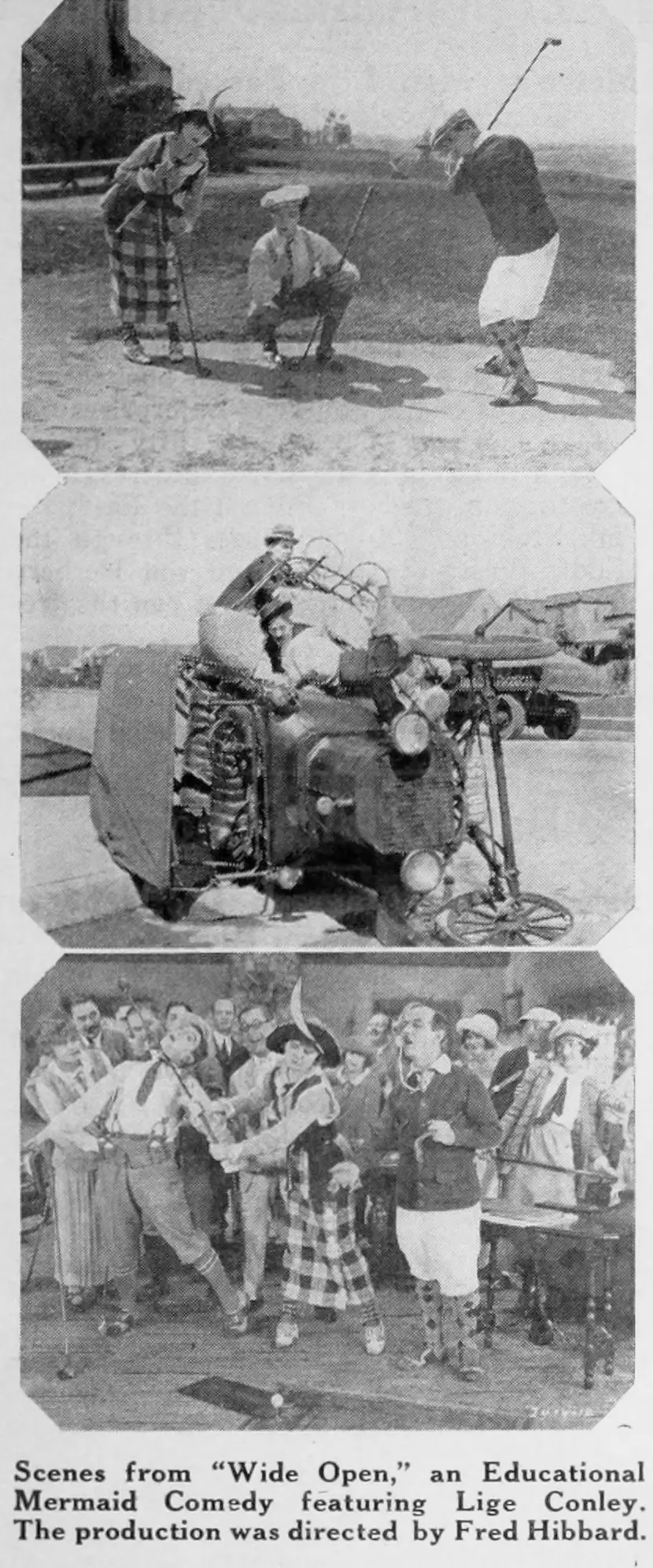
The narrative engine of "Wide Open" is its meticulously constructed chain reaction of events. The catalyst is a car crash, an incident so commonplace yet here, so pivotal. It’s not just an accident; it’s the butterfly flapping its wings that triggers a hurricane. From this initial collision, the film’s plot unfurls with a relentless, almost Rube Goldberg-esque precision. One mishap feeds into the next, each consequence more outlandish and destructive than its predecessor. The car crash isn't just a plot point; it's the opening salvo in a war against tranquility, a declaration that from this moment forward, nothing will proceed as planned. It’s a brilliant narrative device, transforming a simple fender-bender into the genesis of an urban cataclysm.
Fred Hibbard's directorial hand is evident in every frame, orchestrating this intricate ballet of destruction with a keen eye for comedic timing and spatial awareness. Hibbard, known for his prolific output in the silent era, demonstrates a remarkable ability to manage multiple moving parts, ensuring that the escalating chaos never feels overwhelming or confusing, but rather exhilaratingly clear. His camera is not merely an observer; it's a participant, guiding our eyes through the pandemonium, highlighting the key moments of impact and reaction. His work here is reminiscent of the disciplined chaos seen in some of his other films, such as A Regiment of Two, where the comedic payoff relies heavily on the precise staging of physical gags and the relentless pace of the action. Hibbard understands that true slapstick isn't just about people falling down; it's about the build-up, the anticipation, and the perfectly timed punchline, whether it's a pratfall or a runaway vehicle.
The crown jewel of the film's escalating pandemonium is undoubtedly the runaway trolley sequence. This is where "Wide Open" truly earns its stripes as a silent comedy classic. The trolley, once a symbol of urban progress and reliable transport, becomes an unstoppable force of nature, a metal beast careening through city streets, indifferent to the plight of the Hazards or anyone else in its path. The sequence is a marvel of practical effects and stunt work, showcasing the daring and ingenuity of early filmmakers. It’s a testament to the era’s commitment to capturing spectacle live, without the aid of modern CGI, making the danger and the absurdity feel palpably real. The trolley chase is not just a thrilling set piece; it's a metaphor for the unpredictability of life, the way our neat little plans can be utterly demolished by forces beyond our control. While films like The West~Bound Limited might utilize trains for dramatic tension, Hibbard expertly twists the mechanical marvel into an engine of pure, unadulterated comedic destruction.
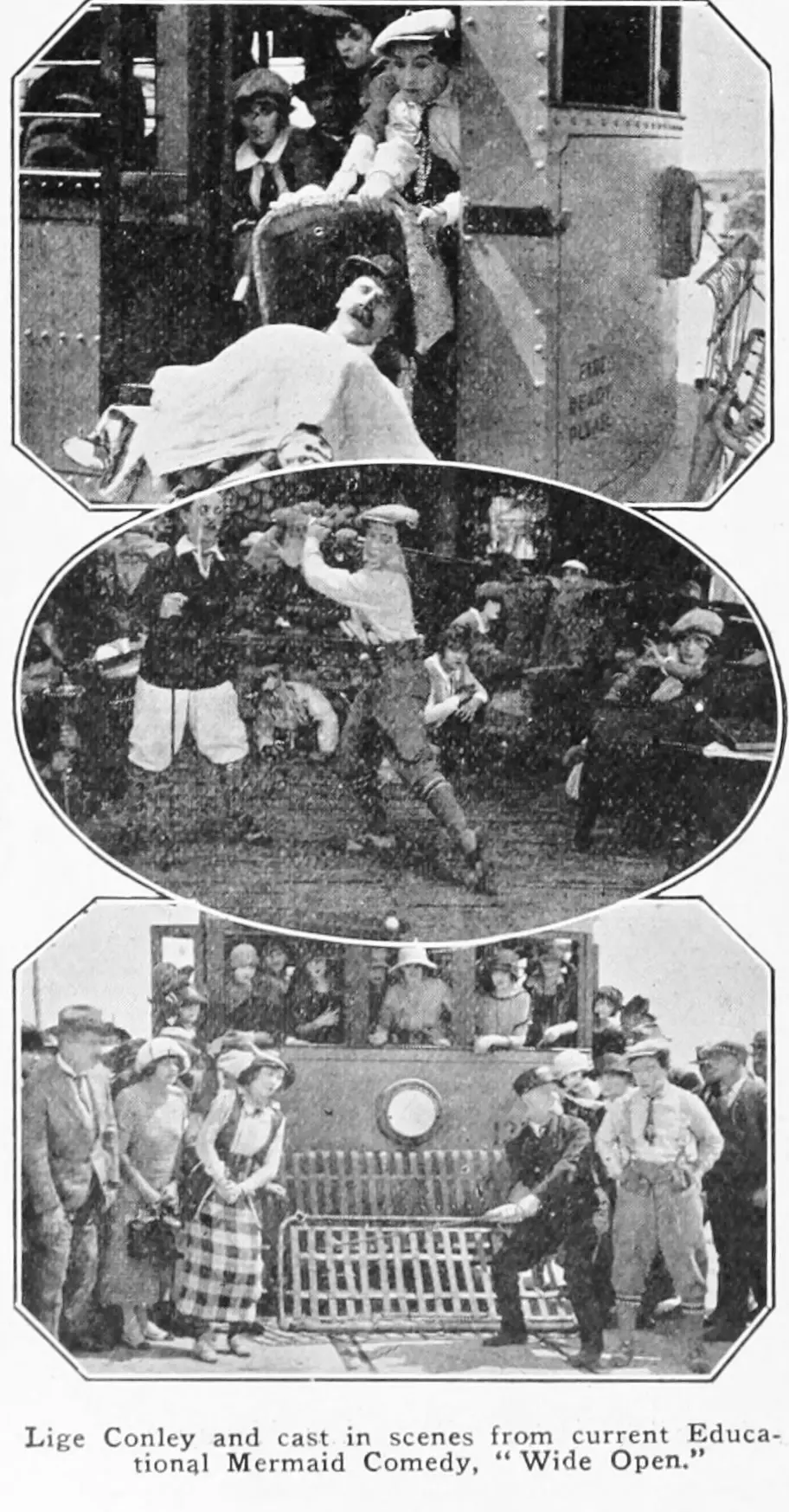
The supporting cast, including George Ovey, Otto Fries, and Olive Borden, contribute significantly to the film's rich tapestry of minor characters and comedic reactions. They populate the background, reacting with various degrees of alarm, confusion, and opportunistic mischief to the unfolding chaos. Ovey, often playing a sidekick or a bumbling authority figure, adds another layer of comedic texture, while Fries’ larger-than-life presence brings a different kind of physical humor. Borden, with her captivating screen presence, adds a touch of glamour even amidst the mayhem. Each character, however fleeting their appearance, serves to amplify the sense of a world turned upside down, a community grappling with an unprecedented, and deeply funny, breakdown of order. They are not just extras; they are the chorus, reflecting and amplifying the central absurdity.
Beyond the immediate laughs, "Wide Open" offers a fascinating glimpse into the thematic undercurrents of its time. It’s a film about the futility of human endeavor in the face of overwhelming chance, a comedic take on the existential anxieties that often simmer beneath the surface of even the most prosperous eras. Mr. and Mrs. Hazard's simple desire for a golf game becomes a microcosm of humanity's broader struggle against an indifferent universe. The film posits that sometimes, no matter how well we plan, how diligently we execute, the world has other, more chaotic, intentions. This theme resonates even today, a timeless reminder that sometimes, the best we can do is laugh at the absurdity of it all. It’s a more lighthearted exploration of the kind of relentless, almost cruel fate seen in dramas like The Bottom of the Well, but filtered through a lens of pure, unadulterated comedy.
The film's technical prowess, while perhaps overlooked in favor of its comedic brilliance, is also noteworthy. The cinematography, though characteristic of the era, effectively captures the kinetic energy of the chase sequences and the meticulous staging of the gags. The editing is crisp, maintaining a brisk pace that never allows the humor to lag, a crucial element for successful slapstick. Intertitles are used sparingly but effectively, providing necessary exposition or amplifying punchlines without interrupting the visual flow. One can only imagine the live musical accompaniment that would have originally graced screenings of "Wide Open," an orchestral score undoubtedly enhancing the drama of the chase and the lightness of the comedic beats. These technical elements are not just functional; they are integral to the film's overall impact, working in concert to create a truly immersive and hilarious experience.
Placing "Wide Open" within the broader context of silent comedy reveals its significant, if often unsung, contribution. While it might not possess the philosophical depth of Chaplin or the architectural genius of Keaton, it stands proudly as a testament to the raw, visceral power of pure slapstick. It shares a lineage with countless other short comedies of the era, films like Pop Tuttle's Movie Queen, which similarly prioritized rapid-fire gags and character-driven humor. What sets Hibbard's film apart is its remarkable ability to build a grand narrative of destruction from such humble beginnings, turning a domestic squabble into an urban spectacle. It's a film that understands the catharsis of laughter, the way humor can defuse tension and make the insurmountable seem utterly ridiculous. The film’s legacy lies not just in its individual gags, but in its masterful construction of a world where everything is, quite literally, wide open to hilarious disaster.
The enduring appeal of "Wide Open" lies in its timeless humor and its universal themes. While the cars and trolleys might be relics of a bygone era, the frustration of plans gone awry, the exasperation of dealing with unforeseen obstacles, and the sheer joy of watching someone else navigate a comedic nightmare remain as relevant today as they were a century ago. It’s a film that reminds us of the sheer ingenuity and boundless creativity that characterized the silent film era, a period when filmmakers were constantly inventing the language of cinema, pushing the boundaries of what was possible with practical effects and physical performance. It’s a vibrant, exhilarating ride that leaves an indelible mark, a testament to the fact that sometimes, all you need for a truly memorable cinematic experience is a simple premise, a talented cast, and a world that is, quite gloriously, wide open to anything.
IMDb 5.9
1935
Community
Log in to comment.