DbcultAccessing Vault...
Cult Review
Senior Film Conservator
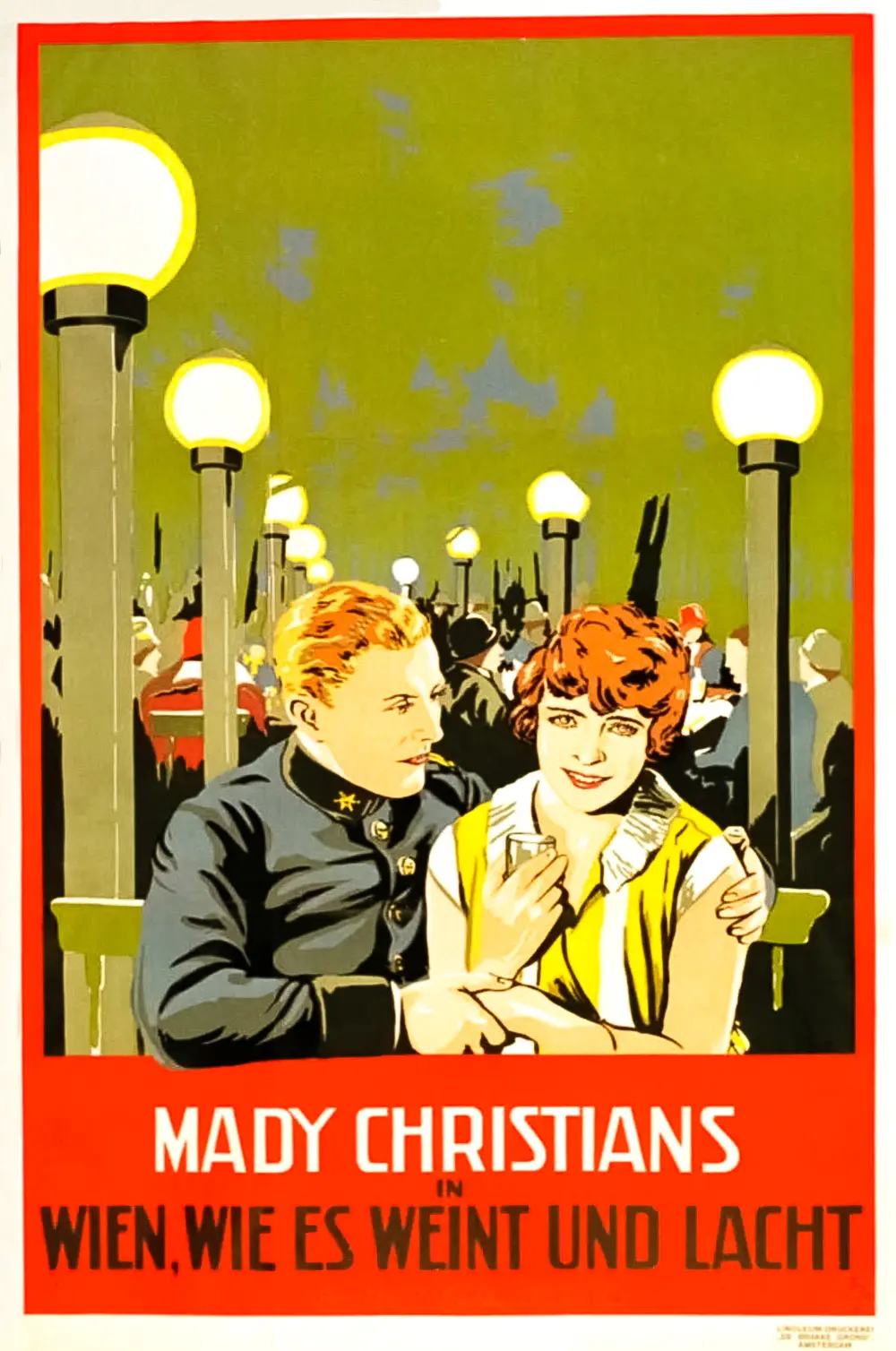
Is Wien, wie es weint und lacht worth your time today? Short answer: Yes, but only if you possess the patience for the deliberate pacing of 1920s social realism. This film is a definitive pick for those who enjoy the intersection of stage tradition and early cinematic experimentation, whereas it will likely alienate audiences who require modern narrative momentum.
This film works because of its unflinching commitment to the 'tears' of its title, providing a gritty contrast to the sanitized versions of Vienna often seen in later cinema. This film fails because its transition from the stage-bound logic of Anzengruber’s source material to the visual language of film is occasionally clunky and over-reliant on intertitles. You should watch it if you want to understand the DNA of European melodrama before it was polished by the Hollywood machine.
Alfred Halm’s direction in Wien, wie es weint und lacht is a fascinating study in tonal shifts. The film doesn't just present a story; it presents a city as a living, breathing organism that suffers from a bipolar disposition. One moment, we are treated to the high-energy, almost frantic joy of a public festival, and the next, we are plunged into the claustrophobic despair of a small, dimly lit apartment. This isn't the romanticized Vienna of Strauss; it's a city of sharp edges.
Take, for example, the sequence where the characters transition from a boisterous tavern scene to a quiet, solitary walk home. The camera lingers on the shadows cast by the cobblestones, a stark visual metaphor for the weight these characters carry. It is far more grounded than something like The Puppet Crown, which favors artifice over the lived-in reality Halm captures here. The director avoids the trap of making the misery feel like a spectacle, opting instead for a quiet, observational style that feels surprisingly modern.
The cast is led by the formidable Mady Christians, whose performance here is a masterclass in restraint. In an era where many actors were still leaning into the exaggerated gestures of the theater, Christians uses her eyes to convey a depth of sorrow that needs no title card. There is a specific moment when she looks at her reflection after a particularly grueling day; the way her expression shifts from a forced smile to total exhaustion is devastating. It's a level of nuance you don't always find in contemporaries like The Tiger Man.
Fritz Greiner provides a sturdy anchor to the film's more volatile emotional beats. He plays his role with a physical heaviness that mirrors the social burdens of his character. He doesn't just walk; he trudges. This physicality is essential for a silent film, where the body must tell the story that the voice cannot. John Mylong and Hans Brausewetter round out the ensemble, each adding a layer of authenticity to the various social tiers represented. The chemistry between the cast feels earned, particularly in the scenes involving the 'laughter' half of the film's premise, where the camaraderie feels genuinely warm rather than rehearsed.
Visually, the film is a fascinating bridge between the Expressionism of the early 1920s and the New Objectivity that would soon follow. The lighting is deliberate, using high-contrast setups to delineate the 'weeping' and the 'laughing.' The indoor sets are often cramped and dark, emphasizing the social entrapment of the characters. In contrast, the outdoor scenes in the Prater feel expansive and airy, though there is always a hint of artificiality to the joy found there.
One standout technical achievement is the use of depth of field during the crowded tavern scenes. Halm manages to keep the foreground action clear while maintaining a sense of the chaotic world continuing in the background. It creates a sense of immersion that was quite advanced for 1926. It lacks the experimental frenzy of La croisière noire, but it replaces that energy with a focused, structural integrity that serves the narrative well. The film is a reminder that technical prowess doesn't always require flashy tricks; sometimes, it’s just about knowing where to put the camera to catch a character’s soul.
Yes, Wien, wie es weint und lacht is worth watching if you are interested in the historical evolution of social drama. While it may lack the breakneck speed of modern blockbusters, its emotional core is surprisingly resilient. It provides a rare, unvarnished look at the psychological state of Central Europe during the interwar period. It is a film that demands your full attention, but it rewards that attention with a rich, multi-layered experience that stays with you long after the final frame.
Pros:
Cons:
One cannot discuss this film without acknowledging Ludwig Anzengruber. His influence is felt in every frame. He was a writer who championed the common man, and Halm honors that legacy here. The film treats its poor characters with a dignity that was often missing from the cinema of the time. They aren't just objects of pity; they are complex individuals with agency, even if that agency is limited by their circumstances. This is a far cry from the more caricatured portrayals found in films like A Perfect 36.
The adaptation successfully translates Anzengruber's 'Volksstück' (folk play) style into a visual medium. It retains the episodic nature of the folk play, which might feel disjointed to some, but it serves the purpose of showing different facets of the city. It is a mosaic of human experience. The 'laughter' is often bitter, and the 'tears' are often shed in private. This psychological complexity is what elevates the film above standard genre fare of the era.
Wien, wie es weint und lacht is a somber, beautiful, and occasionally frustrating piece of work. It doesn't offer easy answers or a feel-good ending. Instead, it offers a mirror to a society that was struggling to define itself. It is a sturdy example of mid-twenties craftsmanship. It works. But it’s flawed. The flaws, however, are what make it human. In a world of polished, AI-adjacent perfection, there is something deeply refreshing about a film that isn't afraid to be messy and emotional.
If you’ve already explored the more famous works of the era, such as Rosen aus dem Süden, this film provides a necessary counter-narrative. It shows the dirt under the fingernails of the city. It’s a vital piece of the cinematic puzzle of the 1920s. While it may not be a 'masterpiece' in the traditional, overused sense of the word, it is a significant and moving achievement that deserves to be seen by a modern audience. It isn't just a movie; it's a time capsule of a city's soul.
"A hauntingly beautiful depiction of a city caught between its glorious past and an uncertain future. Mady Christians is a revelation."
Ultimately, the film stands as a testament to the power of silent storytelling. It proves that even without sound, the 'weeping and laughing' of a people can be heard loud and clear through the decades. It is a quiet triumph of European cinema that should not be forgotten in the shadows of its more famous contemporaries.
IMDb —
1936
Community
Log in to comment.