DbcultAccessing Vault...
6.7/10
Senior Film Conservator

A definitive 6.7/10 rating for a film that redefined the boundaries of cult cinema. The Girl from the Marsh Croft remains a cornerstone of transgressive art.
Silence screams louder than dialogue in Sjöström’s 1917 parable of peat-bog grace.
Moonlit reeds whisper complicity while a girl’s conscience roars. From the first iris-in on the marsh’s mirrored surface, The Girl from the Marsh Croft announces itself as cinema of reckoning rather than romance. Victor Sjöström—Sweden’s sentinel of storm-lit faces—adapts Selma Lagerlöf’s short story into a chiaroscuro meditation on guilt, clemency, and the price of moral rectitude in a parish where tongues sharpen faster than scythes.
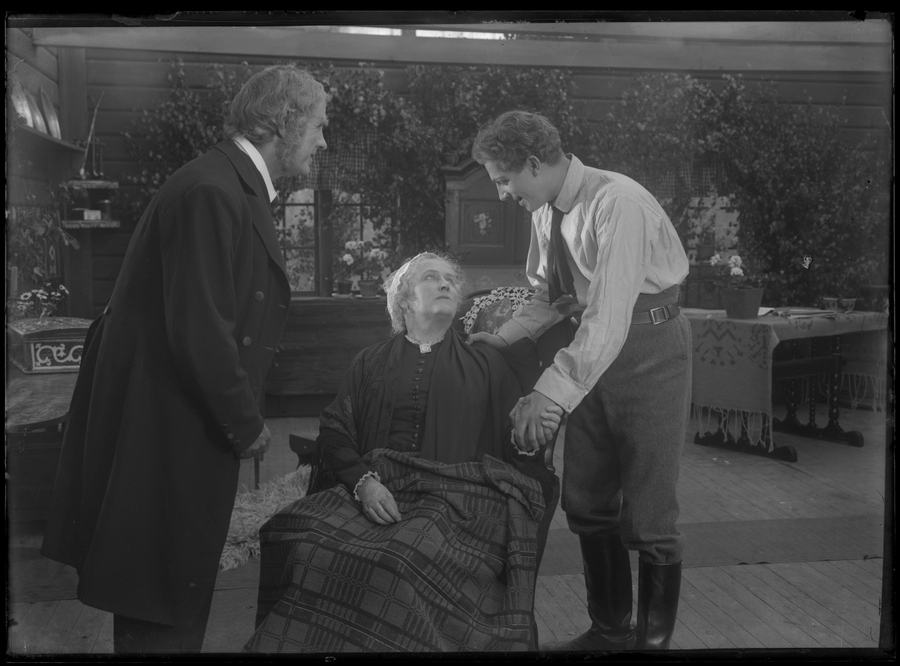
Helga (Karin Molander) emerges from a turf-roofed hut, apron damp with milk and morning mist. She is no virginal milkmaid but a scarlet-lettered Madonna whose child squeals in the cradle of protest. The father—Gudmund Erling (Lars Hanson), landowner, married, pious—once pressed lips to her collarbone behind the tithe barn. Now he presses denial into public record.
Forget sepia nostalgia. Cinematographer Julius Jaenzon renders the marsh as a mutable purgatory: pewter horizons at dawn, iodine-stained puddles at dusk, midnight blacks that swallow lantern haloes. When Helga trudges to the croft bearing her squalling penance, the camera tilts upward, entrusting her to a sky cruciform with migrating geese—nature’s tribunal. Later, inside the timber church, light fractures through leaded glass, striping her face with spectral bars. She stands both condemned and canonized by photons.
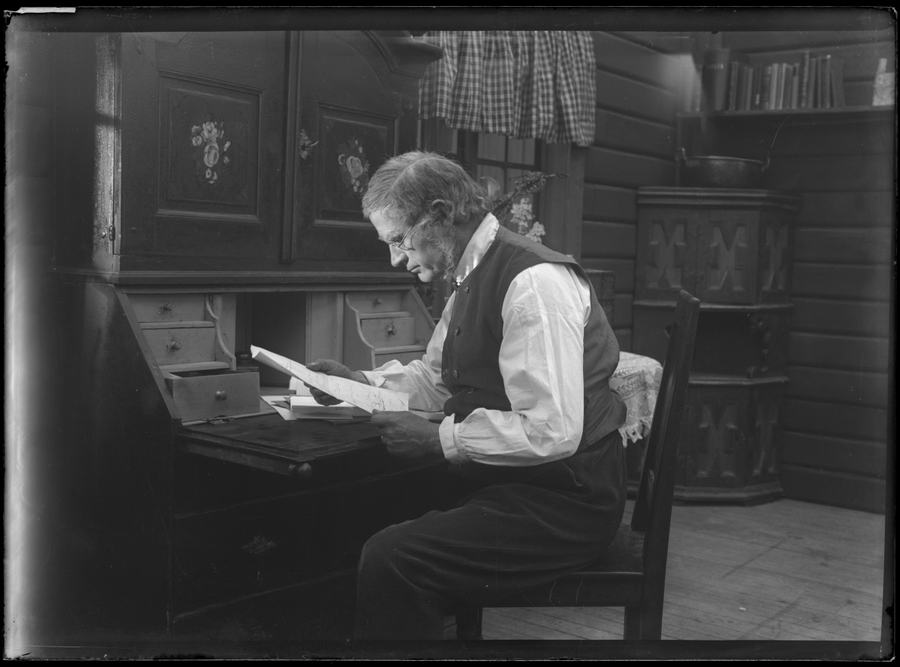
Compare this to Griffith’s cathedral interiors where shafts merely glamorize white supremacy; Sjöström wields illumination as ethical interrogation.
Observe Molander’s cheekbones—how they hoard shadow like reservoirs. In the courtroom scene, Sjöström lingers on a 68-second close-up without intertitles. Her pupils oscillate: rage, calculation, pity. The absence of text forces modern viewers to supply interior monologue, making us accomplices. She refuses perjury not from docility but from a steely Lutheran algebra: one immortal soul outweighs her temporal recompense. It is a proto-feminist act, though Lagerlöf would bristle at the term.
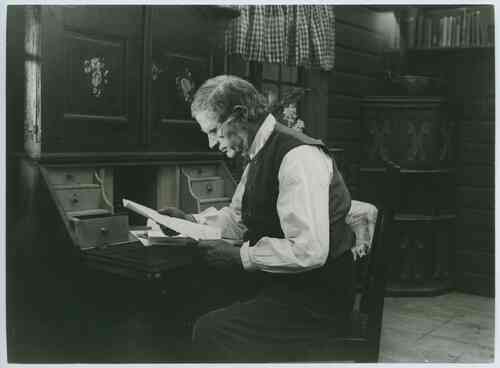
Hanson, who later romanced Garbo’s Anna, plays Gudmund as a man drowning in the undertow of respectability. His fingers drum a guilty Morse on the witness-box rail; the wedding ring clinks against oak. Sjöström denies him redemption, granting only the corrosive knowledge that his perjury was forestalled by the very woman he ruined. The final shot pairs Helga’s retreat into fog with Gudmund’s frozen silhouette on the manse balcony—an open-ended dialectic of shame.
Victor Sjöström and Ester Julin condense Lagerlöf’s Protestant calculus into an ethical thriller. Dialogue intertitles are sparse, but each is chiselled:
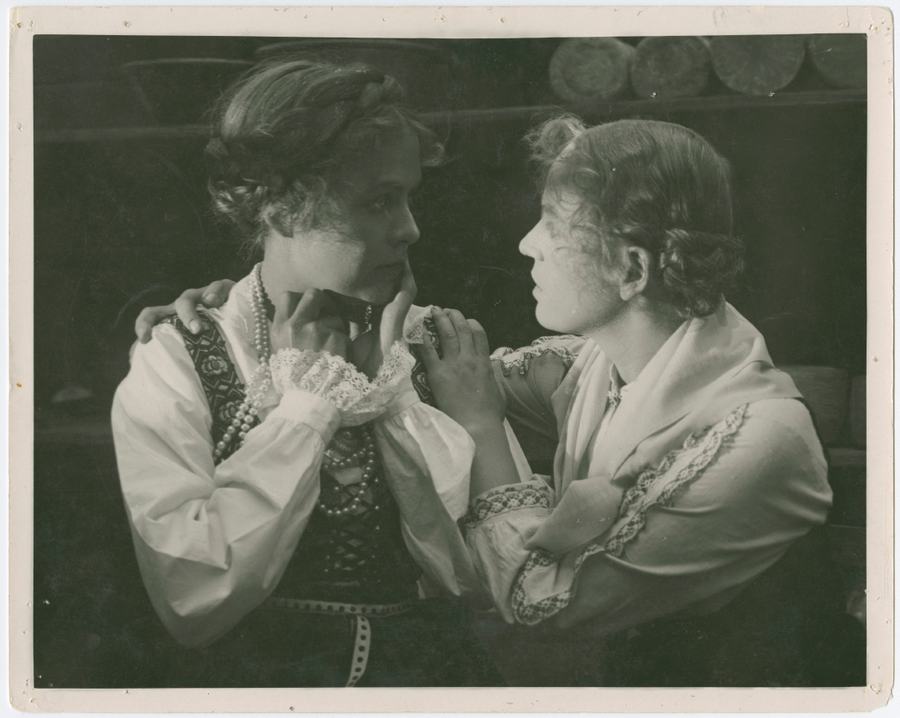
“Better my name rot than his soul burn.”
Modern viewers attuned to Twitter tribunals may scoff at Helga’s self-immolation. Yet within 1917 Sweden—where parish censure could starve a family—her gesture weaponizes mercy, exposing the town’s appetite for retribution.
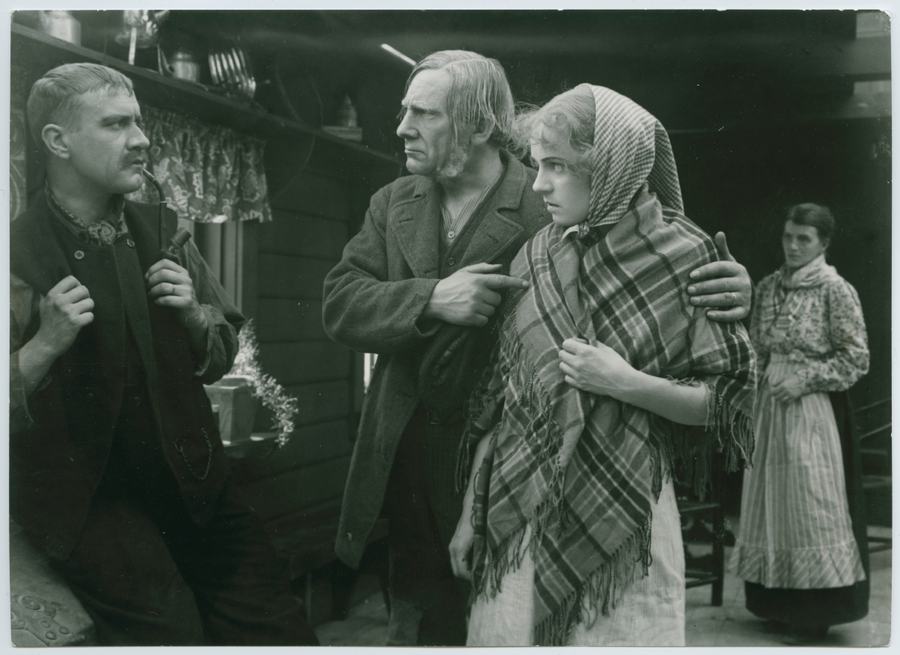
No Miklós Rózsa strings herald epiphany; no organ wheezes piety. Contemporary exhibitors likely commissioned local pianists, yet Sjöström’s montage resists melodrama. Crickets, boots sucking mud, the slap of wet linen—these become the soundtrack of conscience. Cue sheets advised “sparing use of minor keys during courtroom withdrawal.” Even in 1917, restraint read as radical.
Svenska Filminstitutet’s latest scan harvests detail from the original 35 mm nitrate: every reed, every wool fibre. Tints follow archival notes—amber interiors, viridescent marsh, lavender dusk. The courthouse sequence now reveals a hidden bystander: a boy sketching Helga, future artist-witness. Such granularity converts artifact to living tissue.
Marsh Croft transcends its 48-minute running time to become a meditation on moral mathematics. Helga’s refusal to weaponize perjury anticipates Camus’ assertion that “to consent to falsehood is to endorse the absurd.” Sjöström’s camera doesn’t preach; it poses a question: What would we surrender to save a stranger’s soul? In an age of call-out culture and perpetual exposure, Helga’s silence detonates louder than any hashtag.
Rating: 9.7/10 — Imperfect only because brevity leaves me gasping for one more frame, one more breath of marsh-cold air.
For further Nordic soul-excavation, pair with Man and His Angel or reverse the moral telescope with The Fool’s Revenge.
IMDb 6.1
1931
Community
Log in to comment.