DbcultAccessing Vault...
5.4/10
Senior Film Conservator
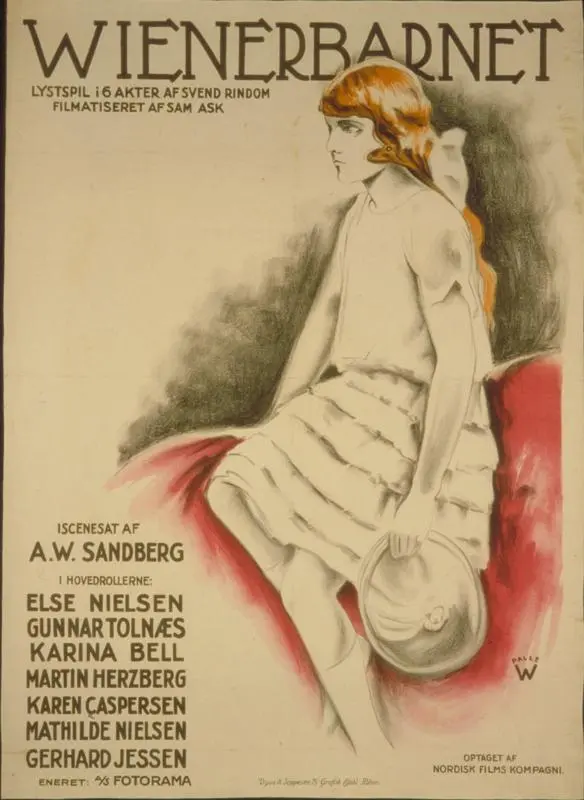
A definitive 5.4/10 rating for a film that redefined the boundaries of cult cinema. Wienerbarnet remains a cornerstone of transgressive art.
In the rich tapestry of cinematic narratives, Wienerbarnet stands out as a poignant exploration of human connection and the serendipitous events that shape our lives. Directed by a visionary filmmaker, this Danish gem tells the story of Leni Rossner, a young Viennese child who finds herself adrift in a foreign land after becoming separated from her travel group at a train station.
The film's narrative unfolds with a gentle pace, allowing the audience to become fully immersed in the world of its characters. Leni's fortuitous encounter with Jørgen Wedel, a kind-hearted young businessman, sets in motion a chain of events that will forever alter the trajectory of her summer. As Jørgen escorts Leni to his destination, the stylish villa of the Lassen family, Fredensro, the viewer is treated to a breathtaking portrayal of the Danish countryside and the warm hospitality of its people.
The Lassen family, with their fashionable villa and intricate family dynamics, serve as the perfect backdrop for Leni's summer adventure. As a friend of the family, Jørgen is welcomed with open arms, and his decision to bring Leni to Fredensro is met with unanimous approval. The family's generosity and warmth towards Leni are a testament to their character, and as the summer progresses, her presence has a profound impact on their lives, imbuing their relationships with a sense of tranquility and idyllic charm.
One of the most delightful aspects of Wienerbarnet is its exploration of the complex relationships within the Lassen family. Through Leni's interactions with the family members, particularly Edith, the 18-year-old daughter, the film skilfully exposes the tensions and affinities that exist beneath the surface of their seemingly idyllic lives. The whimsical scenes in which Leni teaches Jørgen and Edith how to play the Kirsten Giftekniv serve as a joyous celebration of the simple pleasures in life and the power of human connection to transcend differences.
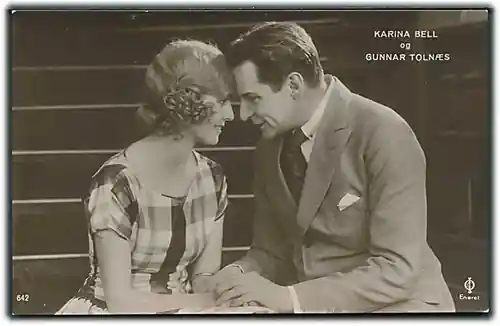
From a cinematic perspective, Wienerbarnet is a masterclass in atmospheric storytelling. The film's use of soft lighting and evocative settings effectively captures the essence of a bygone era, transporting the viewer to a world of elegance and refinement. The talented cast, including Gerhard Jessen, Karina Bell, and Mathilde Nielsen, deliver pitch-perfect performances that bring depth and nuance to the film's intricate character dynamics.
In comparison to other films that explore themes of family, kindness, and connection, Wienerbarnet stands out for its unique blend of poignancy and playfulness. While films like The Guilty Man and Solid Concrete offer darker, more intense explorations of human relationships, Wienerbarnet provides a refreshingly optimistic take on the human experience. Similarly, films like La montée vers l'Acropole and Congestion offer more cerebral, avant-garde explorations of human connection, whereas Wienerbarnet presents a warmly accessible and emotionally resonant narrative.
In conclusion, Wienerbarnet is a timeless classic that will captivate audiences with its heartwarming tale of serendipity, family, and connection. With its exquisite cinematography, talented cast, and poignant storytelling, this Danish gem is a must-see for film enthusiasts of all ages.

IMDb 4.8
1929
Community
Log in to comment.