DbcultAccessing Vault...
Cult Review
Senior Film Conservator
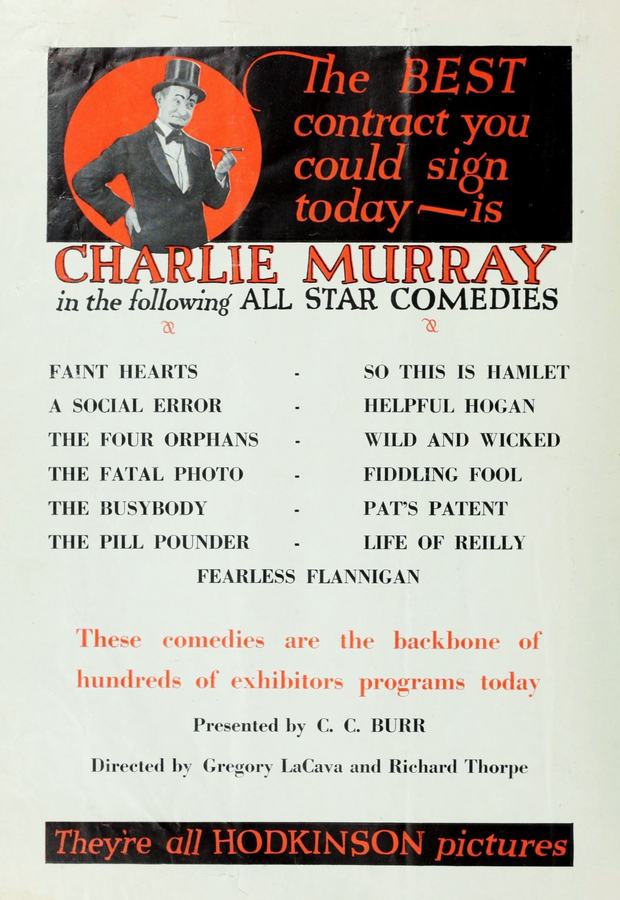
Stepping into the dust-laden boots of a bygone era, the 1924 silent Western, Wild and Wicked, offers a fascinating glimpse into the nascent storytelling techniques of early cinema, marrying the rugged allure of the frontier with a delightful comedic premise. This film, a testament to the era's ability to captivate without spoken dialogue, thrusts us into a world where identity is fluid, and the pursuit of justice is anything but straightforward. It's a narrative rich with the kind of situational irony that, even a century later, still manages to elicit genuine amusement and contemplation.
At its core, Wild and Wicked masterfully plays with the trope of mistaken identity, a narrative device that has charmed audiences across various genres for centuries. Our protagonist, Raymond, played with earnest conviction by Raymond McKee, is introduced as a fresh-faced, dedicated deputy sheriff, tasked with the formidable responsibility of restoring order to a lawless Western outpost. His mission: to apprehend a notorious gang whose exploits have cast a long shadow over the community. McKee, with his youthful vigor and clear-eyed determination, perfectly embodies the archetype of the virtuous lawman, setting a stark contrast for the chaos that is about to ensue.
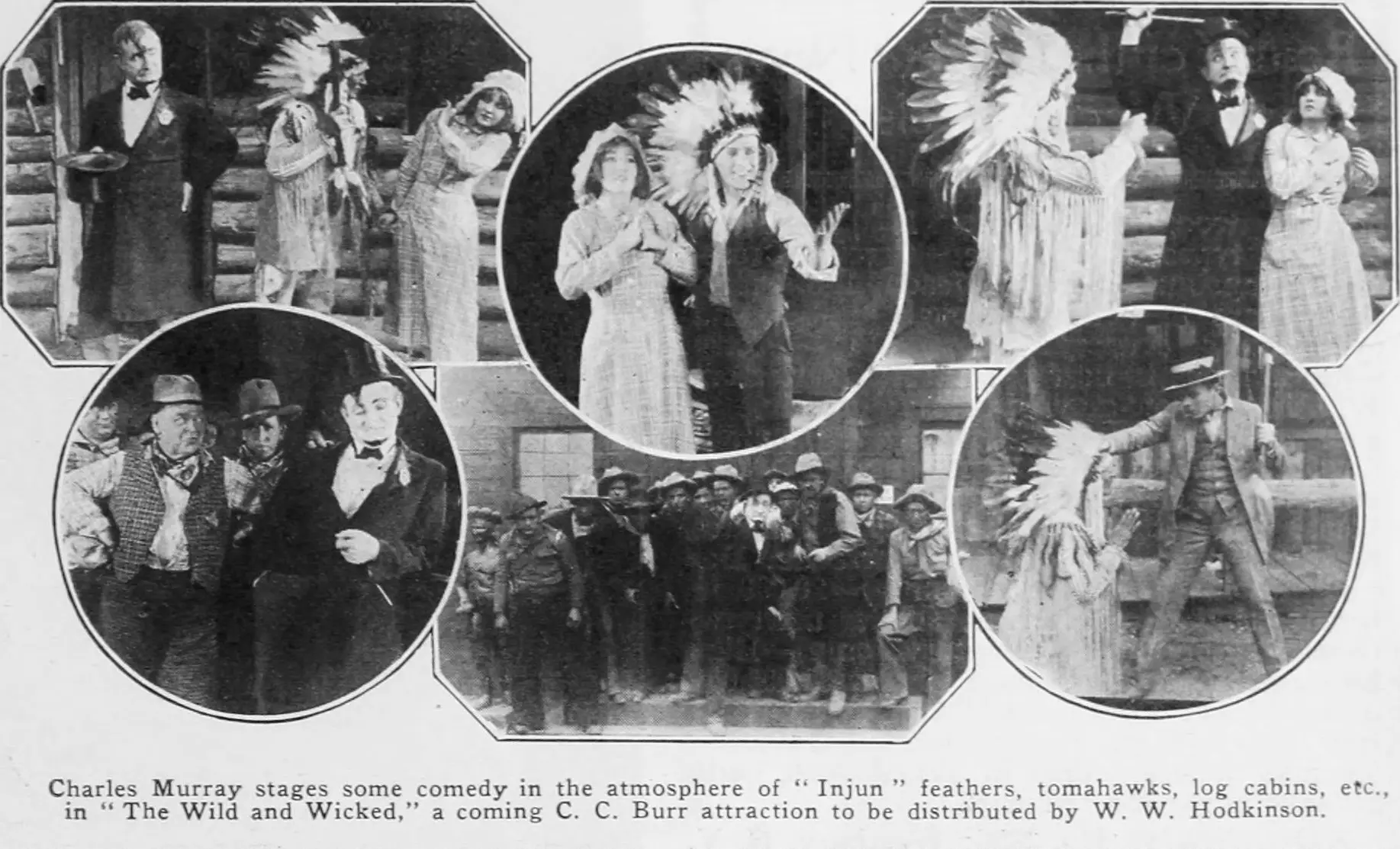
However, the narrative takes a wonderfully subversive turn with the arrival of Charlie, portrayed by the inimitable Charles Murray. Murray, a veteran of comedic roles and known for his expressive physicality, breathes life into a character who is, by all accounts, a charming scoundrel. Charlie is not merely a crook; he is an artist of deception, a trickster whose audacious plan to impersonate the new deputy sheriff forms the beating heart of the film's comedic and dramatic tension. This brazen act of identity theft isn't merely a plot device; it's a profound exploration of appearances versus reality, of the uniform conferring authority regardless of the character beneath. Murray's performance is a masterclass in silent comedy, his facial expressions and body language conveying a wealth of mischief and quick-wittedness that transcends the lack of spoken words. His ability to switch between the cunning outlaw and the bumbling, yet surprisingly effective, lawman is truly captivating, reminiscent of the nuanced comedic timing seen in films like Nothing But the Truth, though with a distinct Western flavor.
The complications arising from Charlie's impersonation are, predictably, numerous and uproarious. The townsfolk, initially relieved by the arrival of a new deputy, are unwittingly caught in the crossfire of this identity charade. The real Raymond finds himself in increasingly absurd situations, his legitimate claims to authority constantly undermined by Charlie's confident, if entirely false, assertion of the same role. This narrative duality allows the film to explore themes of perception, trust, and the inherent vulnerability of a community reliant on symbols of authority. It's a clever dissection of how quickly a community can be swayed by a convincing performance, irrespective of the truth lurking beneath.
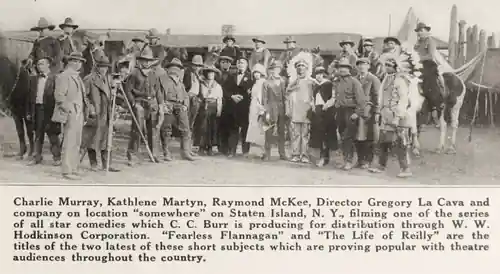
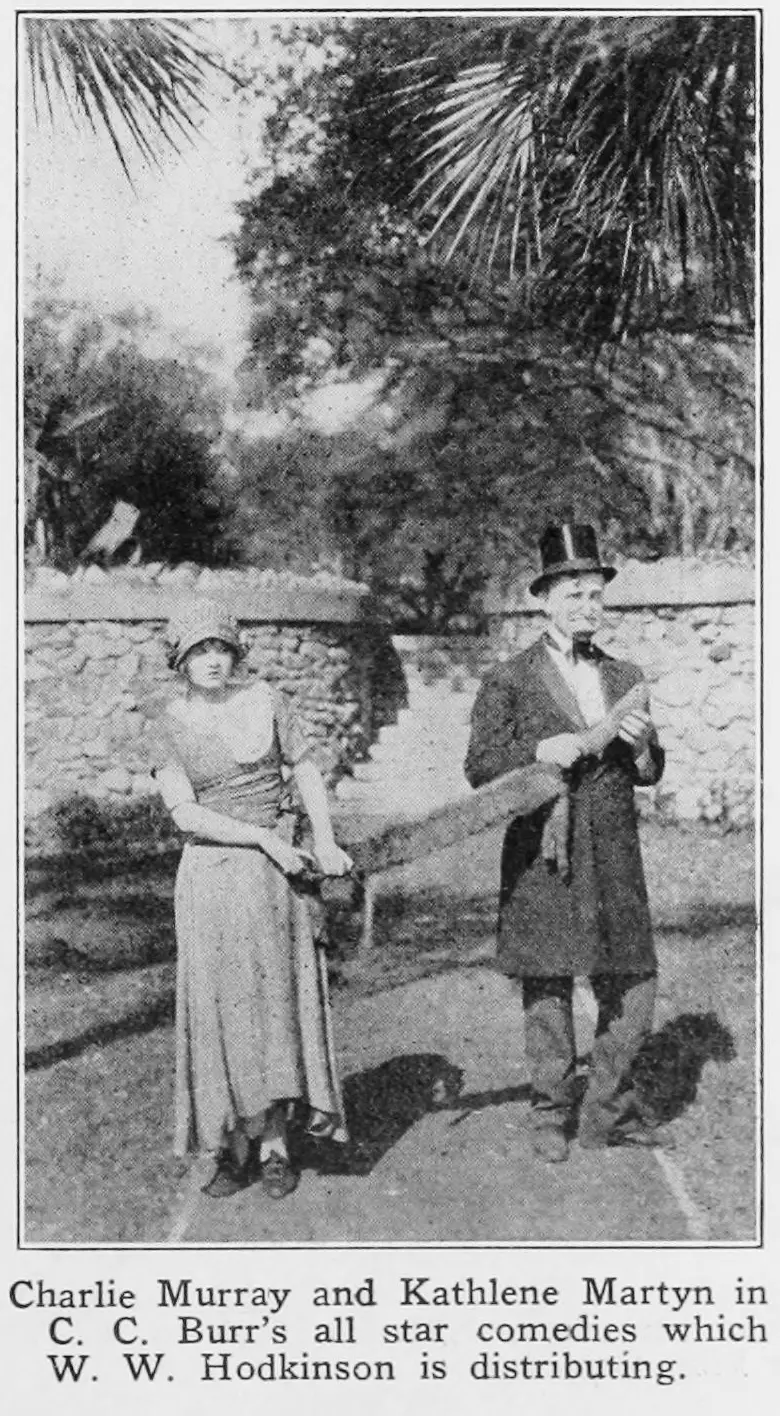
Beyond the central conflict, the film benefits greatly from the presence of its female leads, Kathleen Martyn and Kathryn McGuire. While the plot synopsis doesn't detail their specific roles, their contributions would have been vital in grounding the narrative and providing emotional stakes. In many silent Westerns, female characters often served as catalysts for heroism or objects of protection. However, the best films of the era, much like The Son of a Sheik with its powerful female presence, allowed their actresses to imbue their roles with agency and depth. One can imagine Martyn and McGuire navigating the chaotic landscape of mistaken identities, perhaps as romantic interests, skeptical townsfolk, or even as figures who inadvertently aid or hinder the protagonists. Their reactions to the two 'deputies' would undoubtedly add layers of human drama and comedic misunderstanding, enriching the overall tapestry of the film.
The Western genre in the silent era was a booming industry, captivating audiences with its tales of rugged landscapes, heroic lawmen, and daring outlaws. Wild and Wicked fits squarely within this tradition, yet it distinguishes itself through its pronounced comedic leanings. Unlike the more straightforward action of films such as Fighting Destiny or the moral dilemmas of The Better Man, this film embraces the inherent humor in its premise. The visual storytelling, characteristic of the period, would have relied heavily on dramatic intertitles, expressive acting, and dynamic cinematography to convey the unfolding drama and comedy. The wide-open spaces of the West, often beautifully captured in silent films, would have provided a magnificent backdrop for the high jinks and pursuits, enhancing the sense of grand adventure.
The genius of silent cinema, and particularly evident in a film like Wild and Wicked, lies in its universal appeal, transcending language barriers through the power of visual narrative. The exaggerated gestures, the dramatic close-ups, and the carefully choreographed action sequences all contribute to a storytelling style that is both immediate and profoundly engaging. One can envision the chase scenes, the saloon brawls, and the tense standoffs, all punctuated by Murray's comedic antics and McKee's bewildered reactions. This visual dynamism ensures that the film remains vibrant and entertaining, even to modern eyes accustomed to sound and color.
While Wild and Wicked might not be as widely discussed today as some of its more dramatic contemporaries, its significance lies in its contribution to the evolution of the Western comedy. It demonstrates how early filmmakers were adept at blending genres, using familiar settings and archetypes to deliver fresh and entertaining narratives. The film's examination of identity, deception, and the true meaning of law and order resonates even today, proving that its themes are timeless. The sheer audacity of Charlie's impersonation, and the ensuing pandemonium, speaks to a universal fascination with characters who operate on the fringes of society, challenging norms and disrupting expectations.
The performances by Charles Murray and Raymond McKee are particularly noteworthy. Murray, in his dual role as both crook and imposter-deputy, carries much of the film's comedic weight. His ability to convey both villainy and a certain roguish charm is commendable, making his character complex and oddly sympathetic. McKee, on the other hand, grounds the film with his portrayal of the earnest, beleaguered true deputy, providing a crucial anchor for the audience amidst the escalating chaos. Their contrasting styles create a delightful dynamic, essential for the success of any mistaken identity plot. The chemistry between them, though largely non-verbal, is palpable and drives the narrative forward with considerable momentum.
Furthermore, the film's ability to weave a compelling story without the benefit of spoken dialogue forces a deep appreciation for the craft of silent acting and direction. Every gesture, every prop, every camera angle had to be meticulously planned to convey meaning and emotion. In an era where cinema was still finding its voice, films like Wild and Wicked were instrumental in defining the grammar of cinematic storytelling. It’s an exemplar of how effective visual narrative can be, capable of conveying intricate plots and character development with remarkable clarity. The ingenuity required to stage comedic sequences and dramatic confrontations solely through action and expression is a testament to the creative brilliance of the period.
In conclusion, Wild and Wicked stands as a charming and significant artifact from the golden age of silent cinema. It's a film that, despite its age, continues to entertain with its witty premise, engaging performances, and spirited portrayal of the American West. The creative tension between Raymond's genuine authority and Charlie's charismatic deception provides ample fodder for both laughter and thought. It reminds us that sometimes, the most effective way to catch a crook might just be to have a crook do the catching – or at least pretend to. For enthusiasts of early Westerns, silent film comedy, or simply those curious about the roots of cinematic storytelling, Wild and Wicked offers a delightful and insightful journey. It’s a compelling argument for the enduring power of a well-crafted story, regardless of the technological limitations of its time. The film is a vibrant reminder that the spirit of adventure, the thrill of deception, and the pursuit of justice are themes as timeless as the desert sands themselves.
IMDb 6.6
1913
Community
Log in to comment.