DbcultAccessing Vault...
Cult Review
Senior Film Conservator
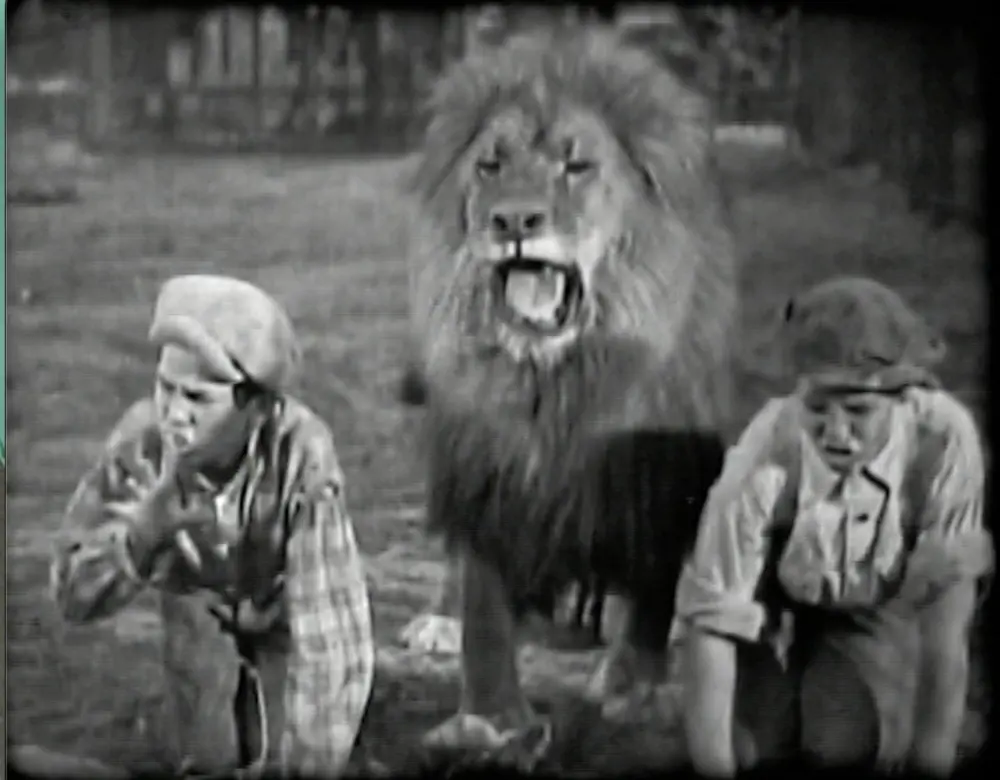
Is Wild Puppies worth watching today? Short answer: yes, but only if you are a dedicated student of film history or a fan of the 'Our Gang' aesthetic. This isn't a movie for the casual viewer seeking a tight narrative or modern pacing; it is a chaotic, loud (metaphorically speaking), and unpolished artifact for those who want to see the DNA of the ensemble child comedy before it became a sterilized Hollywood formula.
This film is for the cinephile who finds beauty in the rough edges of the silent era. It is NOT for anyone who requires a clear plot or high-stakes drama to stay engaged. It is a mood piece, a time capsule, and a reminder that kids have always been, and will always be, agents of absolute chaos.
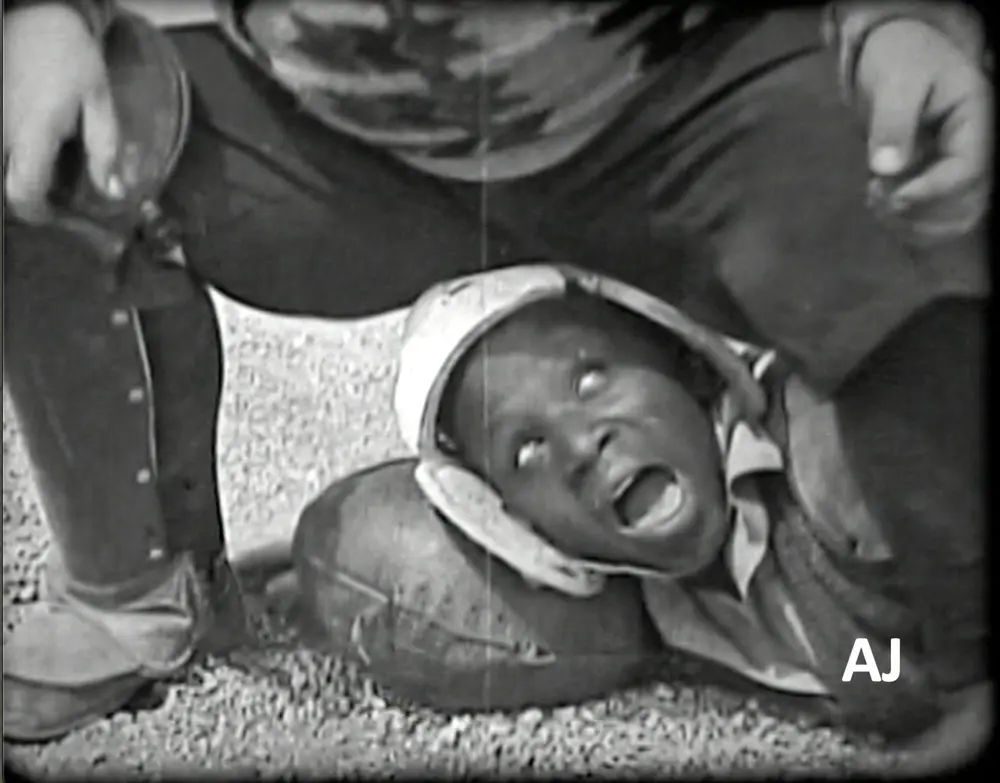
1) This film works because it captures the genuine, unscripted naturalism of childhood, relying on the raw energy of its young cast rather than forced performances.
2) This film fails because it lacks a cohesive narrative thread, often feeling more like a series of disconnected outtakes than a finished motion picture.
3) You should watch it if you want to understand the evolution of the American comedy short and see early performances from future stars like Leon Janney.
The question of 'worth' is complicated when dealing with a 1927 short. If you are looking for a laugh-a-minute experience, you might find the slapstick a bit dated. However, if you are looking for a fascinating look at the social dynamics of the 1920s, Wild Puppies is indispensable. It captures a version of childhood that simply doesn't exist anymore—one defined by complete freedom and physical risk. In one scene, the boys navigate an industrial landscape that would give a modern health and safety inspector a heart attack. That authenticity is where the value lies.
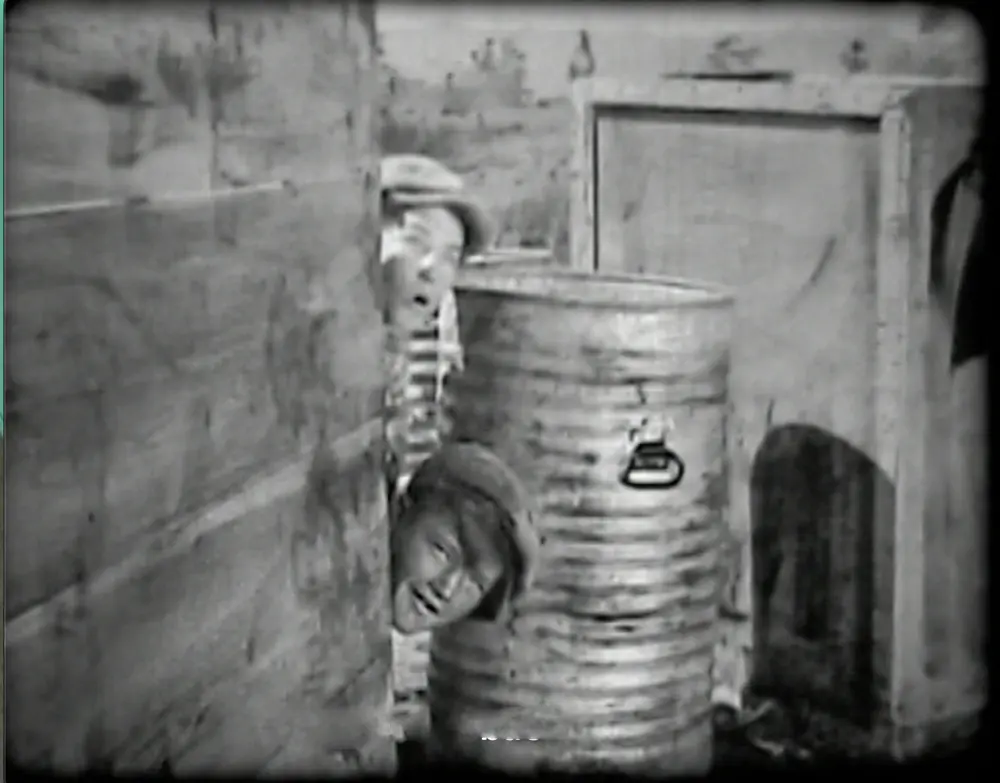
The directing in Wild Puppies is less about 'calling the shots' and more about 'managing the riot.' Unlike the more structured narratives seen in The Collegians, this film feels like the camera was simply dropped into the middle of a playground and told to keep rolling. This approach gives the film a documentary-like quality that is rare for the era. The kids aren't hitting marks; they are wrestling, shouting (in intertitles), and causing genuine trouble.
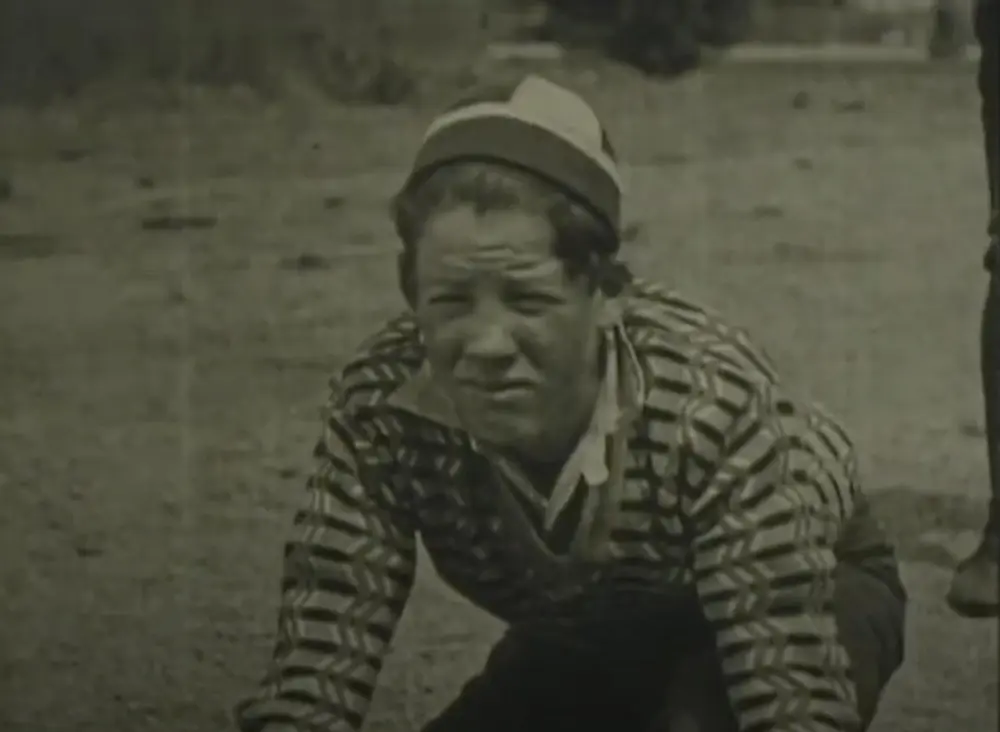
Take the performance of Philippe Trebaol, for instance. There is a specific moment where he reacts to a minor mishap with a facial expression so purely 'annoyed kid' that it transcends the decade it was filmed in. It’s a small beat, but it’s more human than half the performances in modern blockbusters. This naturalism is what separates the 'puppies' from the more theatrical child actors found in films like Dad's Boy.
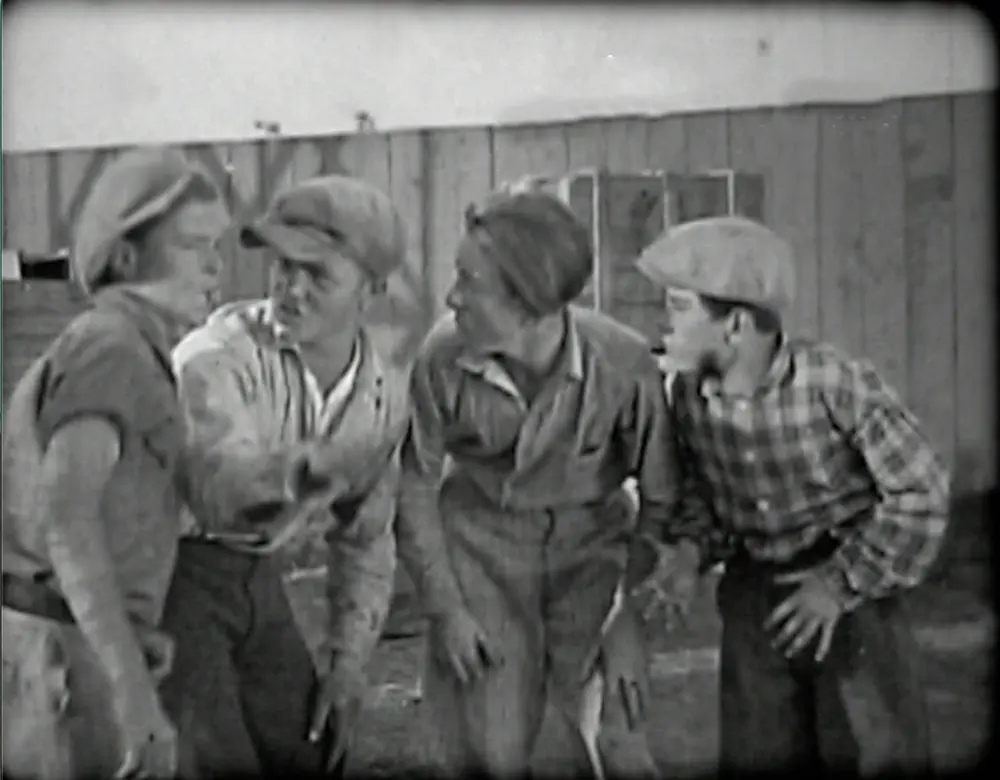
While the acting is the draw, the cinematography shouldn't be ignored. By 1927, the silent film industry had reached a technical peak. The lighting in the outdoor sequences is surprisingly nuanced, utilizing natural sunlight to create deep shadows that give the neighborhood a gritty, tactile feel. It lacks the polish of Frontier of the Stars, but that grit is intentional. It makes the world feel lived-in.
The pacing, however, is where the film shows its age. It’s messy. It’s loud. It’s exactly what a movie about kids should be, but it can be exhausting. The film moves at a breakneck speed, jumping from one gag to the next without giving the audience time to breathe. It works. But it's flawed. You can see the editors struggling to find a rhythm in the chaos, leading to some abrupt transitions that might leave modern viewers confused.
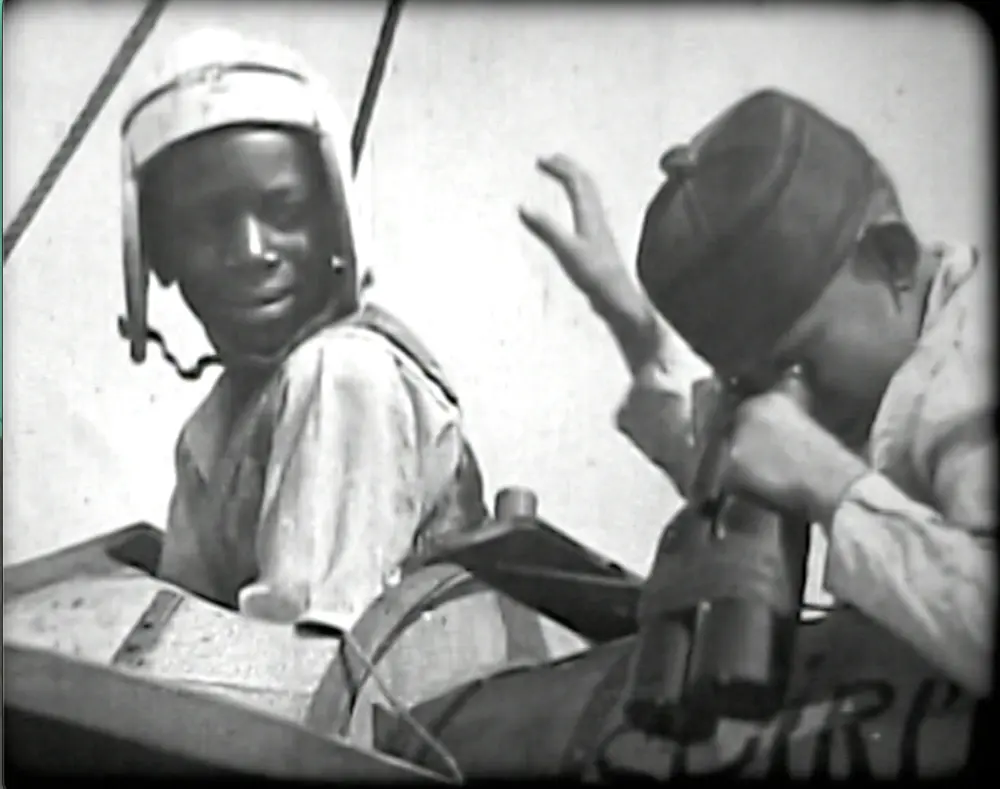
A significant reason to revisit Wild Puppies is the presence of Leon Janney. Janney would go on to have a long career in radio and television, but here he is just another face in the crowd. Watching him navigate the group dynamics is a lesson in screen presence. Even as a child, he understood how to draw the eye without overshadowing the ensemble. Compare his subtle reactions here to the more overt comedy in The Dog and the Thief, and you see a young actor already honing his craft.
"Wild Puppies isn't just a film; it's a raw nerve of 1920s energy, capturing a time when childhood was an unsupervised adventure."
Pros:
- Authentic location shooting that captures 1920s urban life.
- Naturalistic performances that avoid the 'stagey' feel of many silent films.
- A short runtime that makes it an easy historical watch.
- Fascinating early look at future stars like Leon Janney.
Cons:
- Narrative structure is almost non-existent.
- Some gags are repetitive and lack a punchline.
- The abrupt ending feels more like the film ran out of tape than a planned conclusion.
When placed alongside other films of the era, like The Fight or Pretty Lady, Wild Puppies stands out for its lack of pretension. While many 1920s films were trying to be 'Art' with a capital A, this film was content to be a playground. It doesn't have the mystical allure of The Mystic, nor does it have the social weight of Conflict. Instead, it offers something arguably more valuable: a mirror to the mundane, messy reality of being young.
I’ll be blunt: most modern directors couldn't handle this many kids without a CGI safety net or a team of acting coaches. There is a scene involving a makeshift wagon that is terrifyingly real. You can see the genuine fear and excitement on the kids' faces. You can't fake that. You can't rehearse that. It is the kind of 'lightning in a bottle' moment that silent cinema excelled at capturing.
Wild Puppies is a fascinating, if slightly exhausting, trip back in time. It is a film that refuses to behave, much like its protagonists. While it may not satisfy those looking for a traditional story, its value as a historical document and a showcase of early naturalistic acting is undeniable. It’s a messy, loud, and brilliantly unpolished gem that deserves a spot in the library of any serious cinephile. It works as a reminder that before cinema became an industry of polished perfection, it was a medium of wild, unbridled energy.
IMDb 6.2
1927
Community
Log in to comment.