DbcultAccessing Vault...
Cult Review
Senior Film Conservator
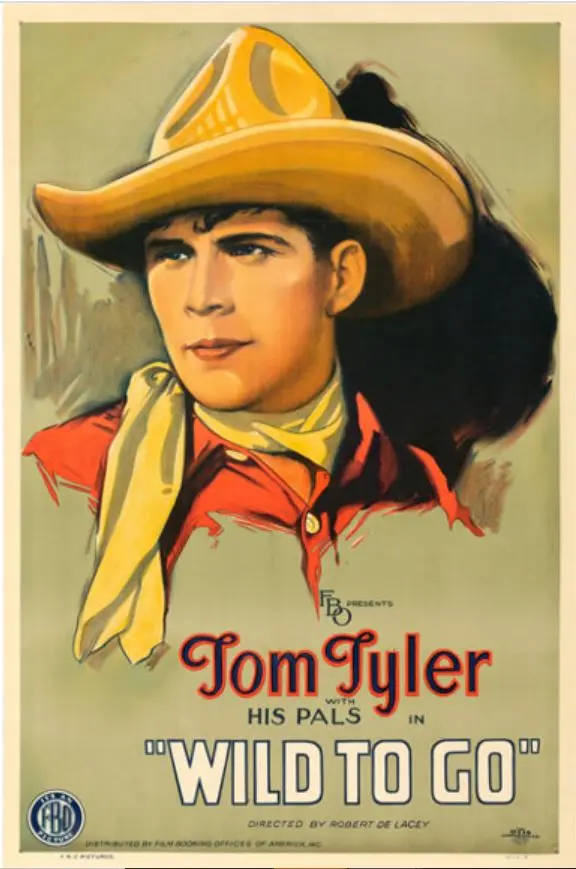
Should you spend an hour with this 1926 silent relic? Short answer: yes, but only if you have a penchant for the unpolished, high-octane energy of early B-Westerns.
This film is for historians of the genre and fans of Tom Tyler’s physical charisma. It is certainly not for those who require narrative logic or high-budget spectacle to stay engaged.
1) This film works because of its relentless pacing and the surprisingly effective chemistry between Tom Tyler and his canine co-star, Beans.
2) This film fails because the plot relies on a series of coincidences that, even for the silent era, feel remarkably contrived.
3) You should watch it if you enjoy the raw, unpolished energy of early Poverty Row Westerns where action takes precedence over everything else.
Tom Tyler was never the most nuanced actor of the silent era, but he possessed a rugged, athletic presence that fits 'Wild to Go' perfectly. He moves with a certain grace that makes the action sequences feel more modern than they are.
In the opening ambush scene, Tyler’s physical response to Trumbull’s assault is visceral. He doesn't just fight; he scrambles. This lack of polished choreography gives the film a grounded, almost documentary-like feel during its most intense moments.
Compare his performance here to the more stylized movements found in The Ragamuffin. Tyler is less concerned with the camera and more concerned with the obstacle in front of him. It works. But it’s flawed.
One of the most surprising elements of 'Wild to Go' is the sequence where Blake swims ashore to a private girls' school. It’s an unconventional choice that disrupts the typical Western flow. Most films of this era, like Tiger Rose, stay strictly within the confines of the wilderness.
Seeing a rugged cowboy navigate the polite, structured environment of a girls' school provides a moment of levity. It’s almost a proto-screwball comedy beat. The contrast between his wet, disheveled appearance and the pristine setting is a visual highlight.
This detour isn't just for laughs, though. It serves to introduce Marjorie, played with a spirited energy by Eugenia Gilbert. Their chemistry is immediate, even if the script gives them little time to develop a real bond before the kidnapping occurs.
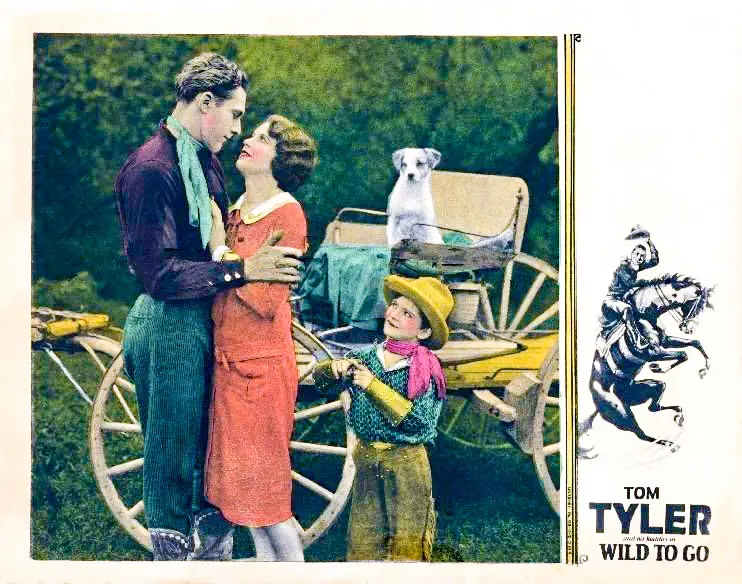
In the 1920s, animal stars were often more popular than their human counterparts. Beans the Dog is a testament to this trend. His involvement in the plot isn't just decorative; he is a functional character who drives the narrative forward.
There is a specific moment when Beans alerts the characters to an impending threat that is edited with surprising tension. The camera lingers on the dog’s reactions, treating his 'performance' with the same weight as Tyler’s.
While films like Monkeying Around used animals for pure slapstick, 'Wild to Go' uses Beans as a legitimate tension-building tool. It’s an observation that highlights the versatility of animal actors in the silent period.
Frankie Darro, playing the younger brother, delivers one of the most crucial performances in the film. The scene where he delivers the check to Felton just as Purdy is demanding payment is the film's emotional climax.
Darro’s performance is characterized by a frantic, high-stakes energy. He isn't just a kid in a movie; he’s a child carrying the weight of his family’s future. His sprint to the ranch is filmed with a sense of genuine desperation.
This use of a child hero was a common trope, yet here it feels earned. It provides a nice counterpoint to the more traditional 'heroic' actions of Tom Blake. The boy and the dog are the real saviors here, which is a refreshing subversion.
The visual style of 'Wild to Go' is functional rather than artistic. It lacks the atmospheric depth of Les gaz mortels, but it makes up for it with clear, concise storytelling. The lighting in the deserted cabin is particularly effective.
The use of shadows in the cabin sequence creates a sense of entrapment. When Blake is struggling to free himself, the tight framing and high-contrast lighting emphasize his isolation. It’s a simple technique that yields strong results.
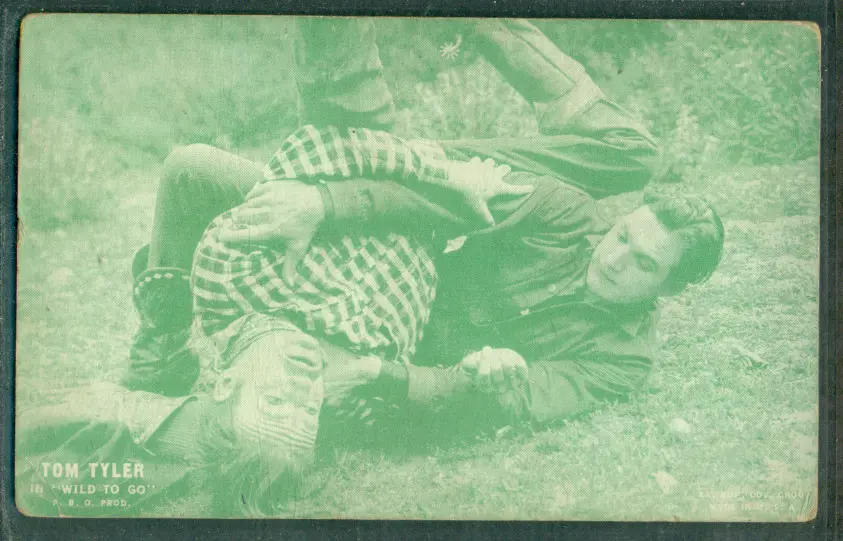
The pacing is also noteworthy. The film clocks in at a brisk speed, never lingering too long on any single plot point. This rapid-fire approach keeps the audience from questioning the more absurd elements of the story.
Fred Burns plays Purdy with a sneering, one-dimensional villainy that is quintessential to the era. He represents the faceless threat of financial ruin. His demand for payment is the ticking clock that drives the entire film.
The scene where he confronts Felton is a masterclass in silent film melodrama. His gestures are broad, his expressions are sharp, and his intent is unmistakable. He is a villain we love to hate, providing the perfect foil for Blake’s earnest heroism.
Unlike the more complex antagonists in Josselyn's Wife, Purdy is a purely functional obstacle. He exists to be defeated. And his defeat is satisfying because of how relentlessly he pursues his greed.
Pros: The film moves at a breakneck pace, ensuring that the audience is never bored. Tom Tyler’s physicality is a joy to watch, and the inclusion of the girls' school adds a unique flavor to the standard Western formula.
Cons: The plot is incredibly thin and relies heavily on coincidences. Some of the acting, particularly from the secondary villains, borders on the comical, which can undercut the tension of the kidnapping scenes.
'Wild to Go' is a fascinating artifact of a bygone era. It represents the meat-and-potatoes filmmaking of the 1920s—unpretentious, energetic, and designed solely to entertain. It doesn't aim for the heights of cinema, but it hits its modest targets with precision.
The film’s greatest strength is its refusal to slow down. From the initial ambush to the final rescue, it maintains a level of momentum that many modern films struggle to achieve. It’s a testament to the efficiency of silent storytelling.
While it may not be a 'masterpiece' in the traditional sense, it is a vital piece of genre history. It shows us what audiences of the time craved: a hero, a dog, a villain, and a race against time. In that regard, 'Wild to Go' still delivers the goods.
IMDb —
1922
Community
Log in to comment.