DbcultAccessing Vault...
Cult Review
Senior Film Conservator
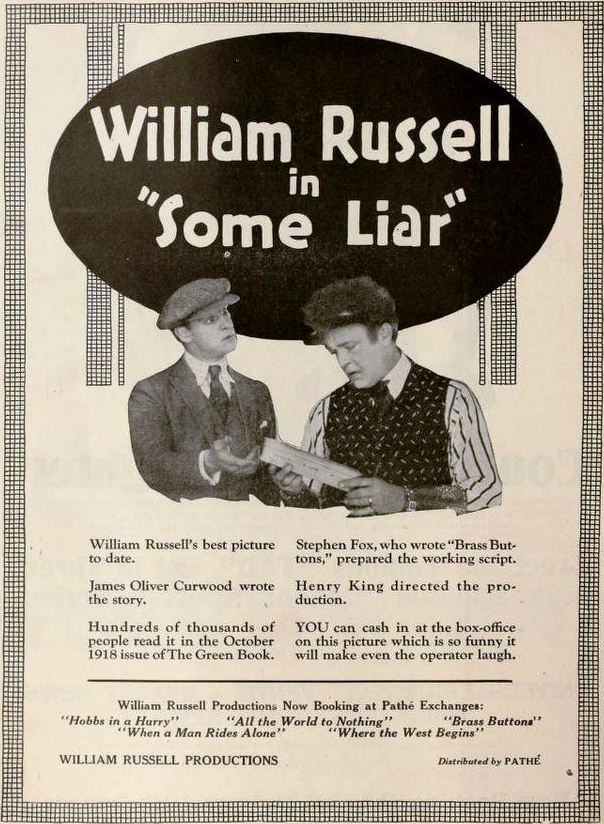
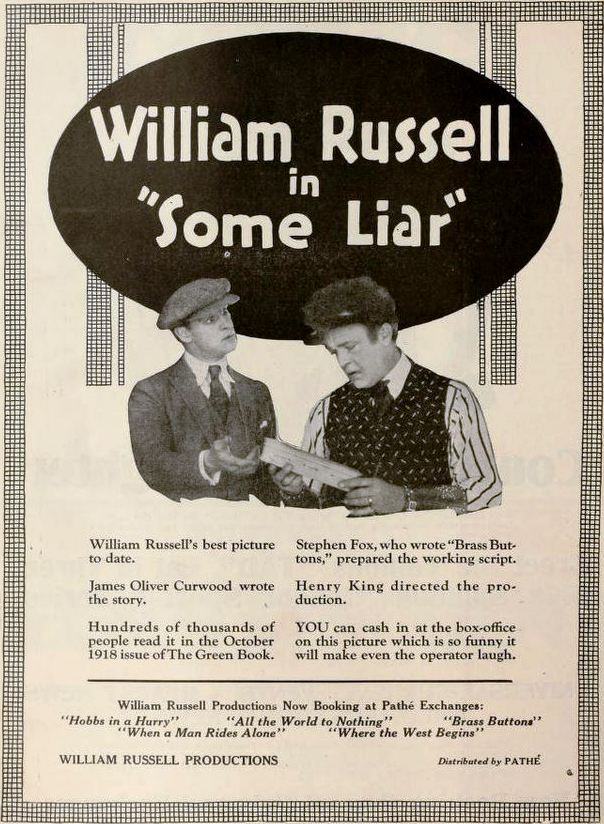
Beneath the pitiless Arizona sun, Some Liar constructs a moral laboratory where truth and survival perform an uneasy tango. Director John Gough orchestrates a symphony of falsehoods around Robert McTabb (William Russell), whose flamboyant carriage and snake-oil charm barely conceal the tremors of a congenital coward. The film's genius lies in its geographical specificity—Yellow Jacket isn't merely backdrop but an accomplice to deception, its sun-bleached buildings and alkaline dust reflecting the desiccated morality of those clinging to existence at civilization's ragged edge.
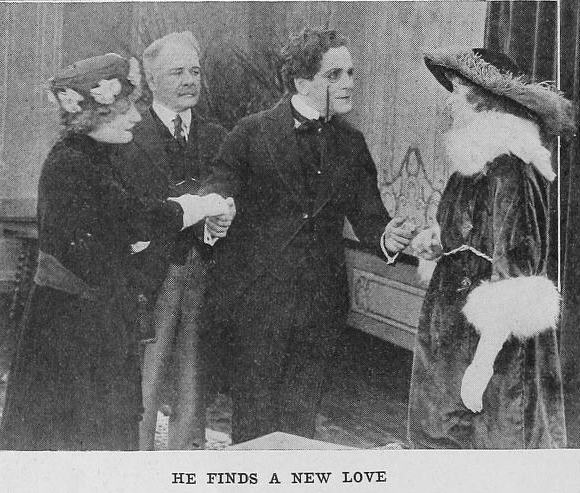
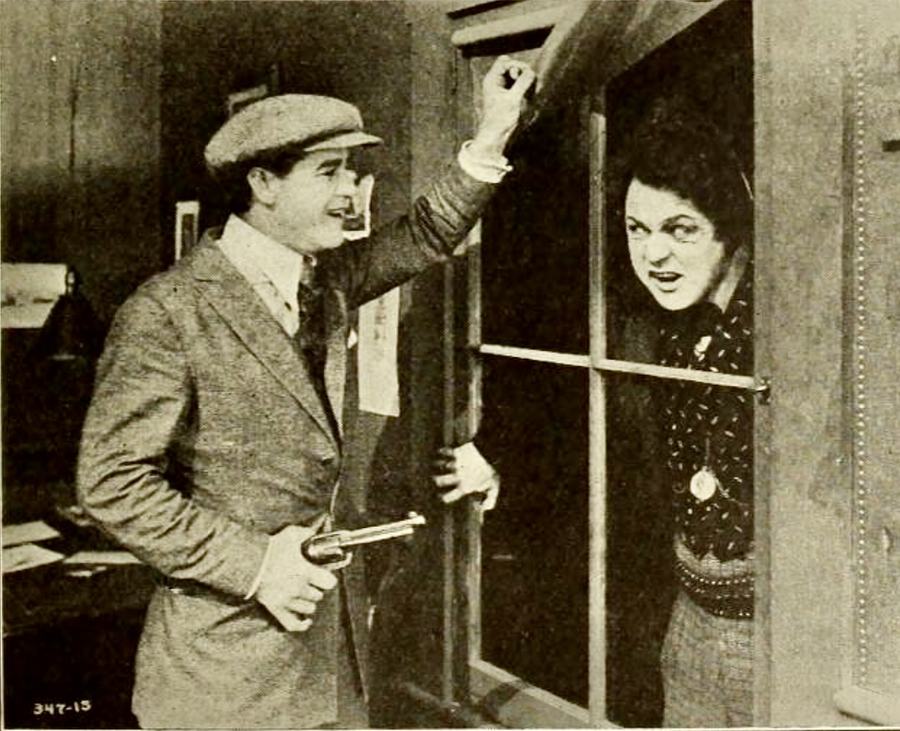
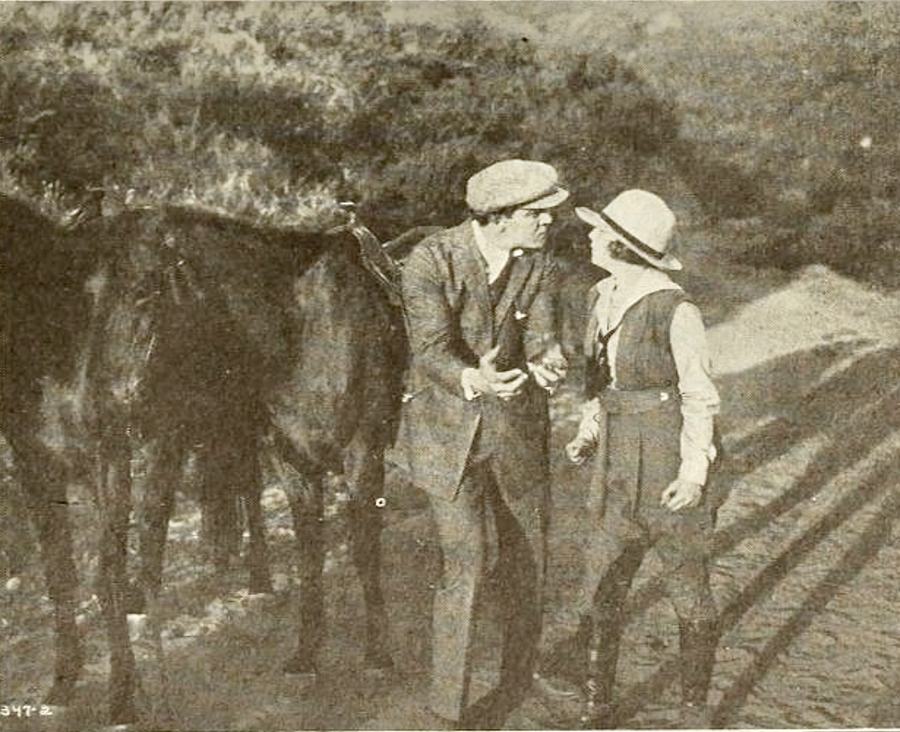
William Russell delivers McTabb as a psychological contradiction—all sweeping gestures and booming proclamations that collapse into whimpering terror when confronted by High Spade McQueen's flashing eyes. Watch how his spine seems to liquefy when cornered, the magnificent mustache drooping like a defeated banner. This physical poetry finds perfect counterpoint in Eileen Percy's Celie, whose steely resolve manifests in unnerving stillness. Where McTabb's hands flutter like panicked birds, Celie's remain clasped in her lap like sheathed daggers. Their shared scenes generate remarkable tension—less romantic spark than predator-prey awareness masked as courtship.
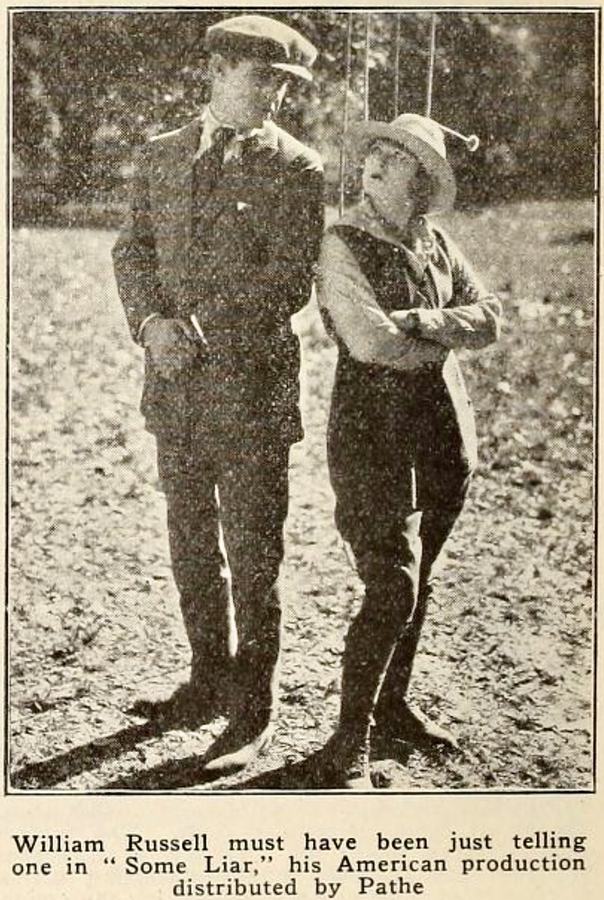
Heywood Mack's Sheldon Kellard deserves particular admiration for avoiding moustache-twirling cliché. His menace simmers in quiet control—the calm assurance of a man holding damning documents like a spider clutching paralyzed prey. When he demands Celie's compliance, the threat lingers in the pause between sentences, not the words themselves. This subtlety makes the character's eventual dispatch by McQueen feel less like villainy punished than another inevitable casualty of frontier entropy.
The Furthman-Curwood script constructs an intricate chamber piece of falsehoods where every deception begets three others. McTabb's initial tall tales about gunslinging prowess function as performative armor, yet when Celie weaponizes those fantasies into a murder contract, the film shifts into devastating psychological territory. The celebrated horse theft sequence operates as brilliant metatext: McTabb's accidental involvement with stolen mounts mirrors his theft of valor—both crimes of appropriation where appearance condemns before truth intervenes.
Gough directs these moral ambiguities with remarkable visual intelligence. Note how McTabb's coffin wagon often occupies the frame's center—a looming memento mori that undermines every comic exchange. The cradles piled beside death boxes create a unsettling still life of life's cyclical absurdity, visually reinforcing McTabb's central motto. Cinematographer J. Gordon Russell (no relation to the star) paints Yellow Jacket in desaturated ochres where long afternoon shadows stretch like guilt across the dusty streets.
Within 1920's cinematic landscape, Some Liar converses intriguingly with contemporaneous explorations of deception. It lacks the urban sophistication of Snobs yet shares that film's fascination with constructed identities. Where Molly Make-Believe romanticizes fantasy as escapism, Gough's film presents fabrication as existential necessity. The protagonist's cowardice echoes The Man Who Took a Chance, though McTabb's redemption proves more psychologically complex than simple heroism.
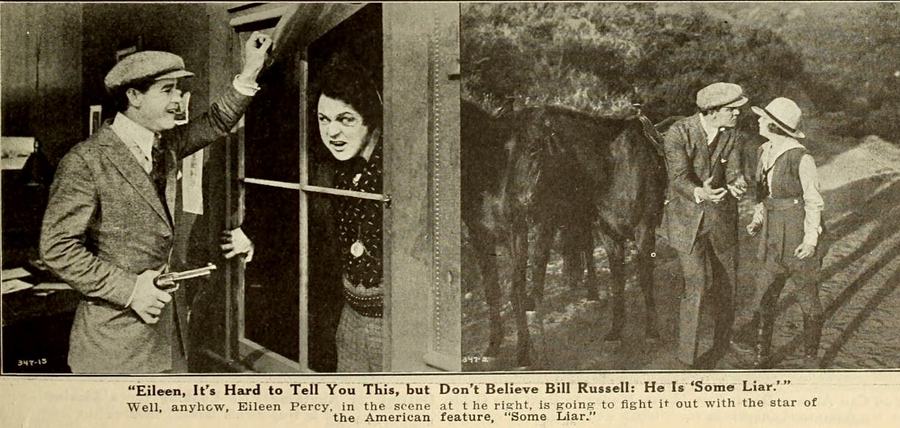
The film's most revolutionary stroke remains Celie's forgiveness—not born from romantic delusion but clear-eyed recognition of human frailty. When she accepts McTabb's final promise of honesty, Percy's micro-expressions convey profound weariness rather than triumphant love. This emotional complexity anticipates later Western revisionism, particularly in how it rejects the genre's standard moral binaries. The burial of Kellard—killed by McQueen's misplaced rage rather than heroic intent—further muddies ethical waters, suggesting frontier justice operates through chaotic happenstance rather than divine order.
Beneath its Western trappings, Some Liar functions as a philosophical treatise on epistemological uncertainty. McTabb's falsehoods initially appear as vanity, yet gradually reveal themselves as vital camouflage—the rattlesnake's warning without the venom. His eventual vow of truth feels less like moral growth than strategic adaptation. Consider the exquisite irony: only when abandoning his identity as storyteller does McTabb achieve authentic human connection.
The film's setting amplifies these themes brilliantly. Yellow Jacket exists in geographic limbo—too remote for effective law, yet sufficiently developed for reputation to function as currency. In this context, Celie's concern for her father's papers transcends filial duty; it's about preserving the fragile fiction of honor that permits social survival. Kellard's blackmail isn't villainy but capitalism of information—he trades secrets like McTabb trades coffins. Gough implies that truth itself becomes commodified in such environments, its value determined by transactional utility rather than intrinsic worth.
Visually, the film pioneers techniques for manifesting deception. During McTabb's tall tales, subtle double exposures superimpose his fantastical claims over skeptical faces—a literal visualization of how imagination overwrites reality. When Celie confronts him about Kellard's death, the camera dollies in violently as McTabb's lies unravel, shrinking the frame until their faces occupy a claustrophobic close-up where micro-expressions become landscapes.
The climatic confession scene remains a masterclass in silent acting. Russell's entire physicality transforms as McTabb abandons pretense: his shoulders slump with gravitational relief, his voice (via title cards) loses florid embellishment, even his fashionable cravat seems to hang less jauntily. Percy responds with minute alterations—a softening around the eyes, a downward tilt of the chin that signals not submission but acceptance. Their final tableau before the coffin wagon achieves profound resonance: two survivors acknowledging the protective fiction of their earlier selves before stepping toward something resembling authenticity.
Nearly a century later, Some Liar's interrogation of deceit feels remarkably prescient. McTabb's relationship with truth mirrors our contemporary crisis of authenticity—his tall tales function like social media personae, curated fictions designed to compensate for inadequacies. The film understands that inattention to truth often stems not from malice but self-preservation, a notion that resonates powerfully in our age of manufactured identities.
What lingers longest isn't the plot mechanics but the haunting ambiguity of its resolution. When McTabb promises honesty, we recognize this itself as another performance—the reformed liar being his most persuasive role. Celie's forgiveness seems less about belief in his transformation than her own exhaustion with deception's psychic toll. Their future remains deliberately uncertain, the final shot of Yellow Jacket's dusty street suggesting not closure but temporary ceasefire in humanity's eternal war between the stories we tell and the truths we endure.
IMDb 5.1
1933
Community
Log in to comment.