DbcultAccessing Vault...
5.7/10
Senior Film Conservator
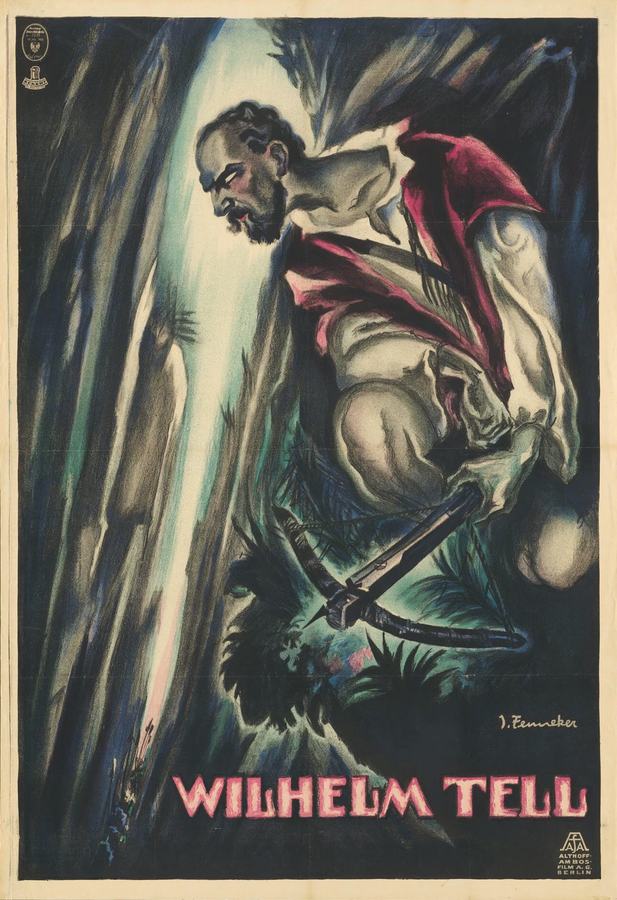
A definitive 5.7/10 rating for a film that redefined the boundaries of cult cinema. Wilhelm Tell remains a cornerstone of transgressive art.
The 1923 rendition of Wilhelm Tell is not merely a film; it is a monumental architectural feat of silent cinema that captures the rugged, defiant spirit of Swiss independence with a gravity that modern CGI-laden epics often fail to replicate. While many contemporary viewers might dismiss silent era historical dramas as antiquated relics, this particular production, directed with a keen eye for both the intimate and the infinite, stands as a testament to the power of visual storytelling. It is a film that understands the weight of a gaze, the tension of a drawn bowstring, and the political potency of a mountain landscape.
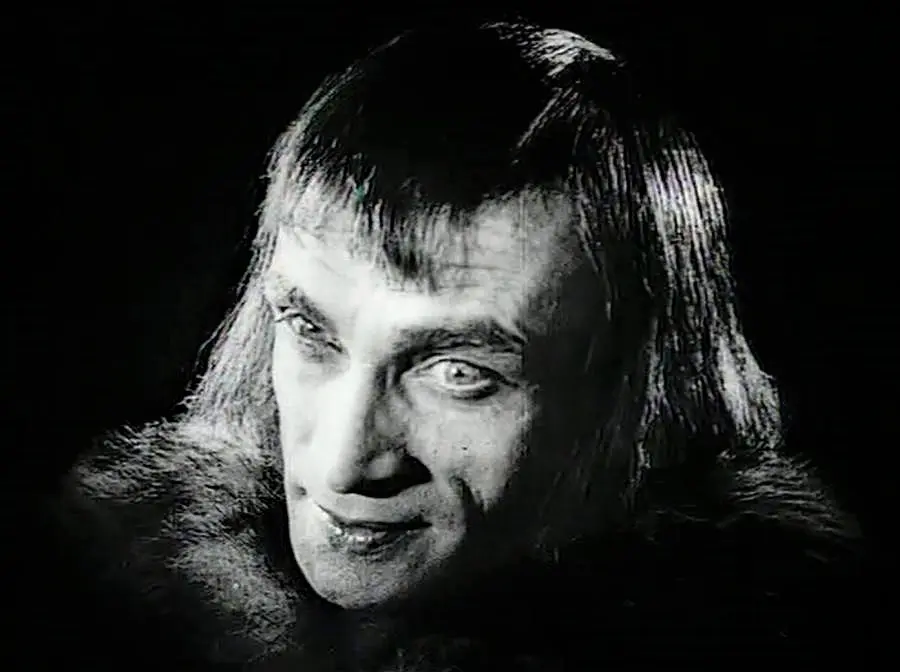
One cannot discuss this iteration of the Tell myth without immediately confronting the presence of Conrad Veidt. Known for his transformative roles in expressionist masterpieces, Veidt brings a serpentine, almost ethereal malice to the role of Gessler. Unlike the more grounded, revolutionary fervor found in The Life of General Villa, Veidt’s performance is a masterclass in psychological subjugation. He doesn't just represent the Habsburg crown; he embodies the very concept of aristocratic disdain. Every movement is calculated, every sneer a sharp blade cutting through the alpine air. His Gessler is a man who finds the simple, agrarian life of the Swiss peasants not just primitive, but personally offensive.
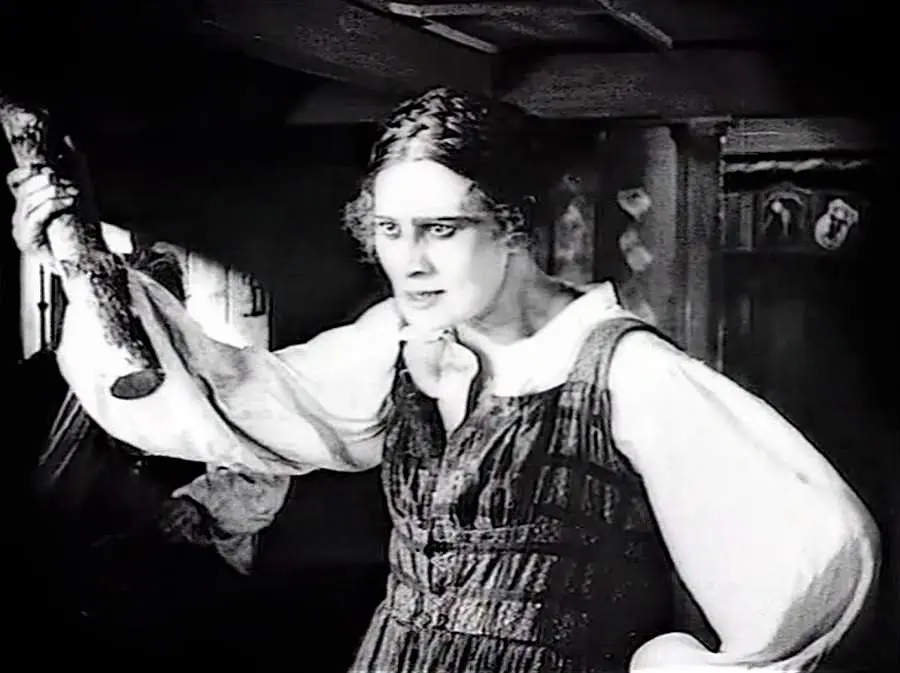
The interplay between Veidt and the rest of the cast creates a friction that drives the film's middle act. While The Sixteenth Wife might deal in the melodrama of the court, Wilhelm Tell grounds its conflict in the dirt and stone of the mountains. The supporting cast, including the likes of Eduard von Winterstein and Xenia Desni, provides a necessary human texture to the grand political struggle. They are not merely chess pieces; they are the living, breathing heart of a nation under siege.
The cinematography in Wilhelm Tell utilizes the Swiss landscape as a primary character. This isn't the sanitized, postcard version of the Alps seen in later sound-era musicals. This is a landscape of looming shadows and treacherous heights. The camera work emphasizes the verticality of the setting, constantly reminding the audience of the literal and metaphorical climb the characters must endure. In many ways, the film shares a certain atmospheric kinship with The Stranglers of Paris, where the environment itself seems to conspire against the protagonists, though here the claustrophobia of city streets is replaced by the overwhelming vastness of the peaks.
The direction manages to balance the epic scale with moments of profound stillness. Consider the scenes of the Rütli Oath. The gathering of the men from the three cantons—Uri, Schwyz, and Unterwalden—is filmed with a reverence that borders on the liturgical. It evokes the same sense of sacred communal duty found in The Penitentes, though the fervor here is nationalistic rather than purely religious. The flickering torches against the night sky create a visual rhythm that pulses with the heartbeat of a burgeoning revolution.
The centerpiece of the film, the legendary shooting of the apple from Tell's son's head, is handled with a restraint that is frankly startling for the period. Instead of relying on frantic editing, the director allows the scene to breathe. We see the sweat on Hans Marr’s brow, the trembling hand of the child, and the icy, expectant gaze of Gessler. It is a sequence that understands the physics of suspense. Much like the high-stakes tension in Going Some, the scene relies on the audience's intimate knowledge of the stakes, but it elevates the moment through a stark, almost brutal realism.
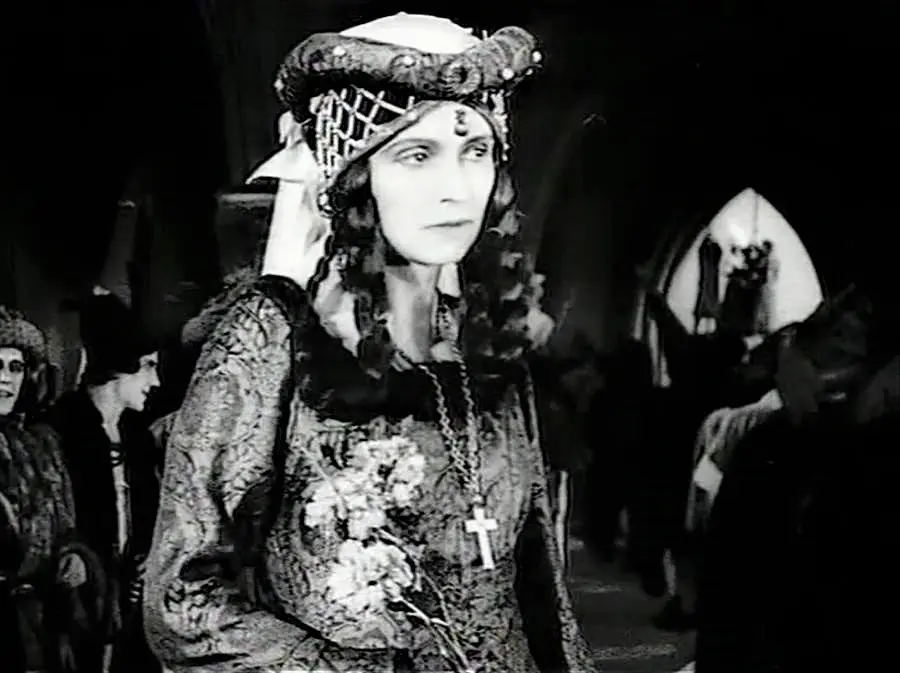
Hans Marr’s portrayal of Tell is the perfect foil to Veidt’s Gessler. Marr is solid, immovable, and stoic—a human mountain. His performance lacks the theatricality often associated with silent film, opting instead for a minimalist approach that makes his eventual eruption into violence all the more impactful. When he finally retrieves the second arrow, the one intended for Gessler’s heart, the emotional payoff is earned through two hours of meticulous character building.
When we look at Wilhelm Tell in the broader context of 1920s cinema, its sophistication becomes even more apparent. While films like All Dolled Up or Chicken a la King were providing audiences with light-hearted escapism and flapper-era whimsy, the German and Swiss creators of this epic were grappling with the very foundations of nationhood. This film has more in common with the somber, moral inquiries of Retten sejrer than it does with the commercial comedies of its day.
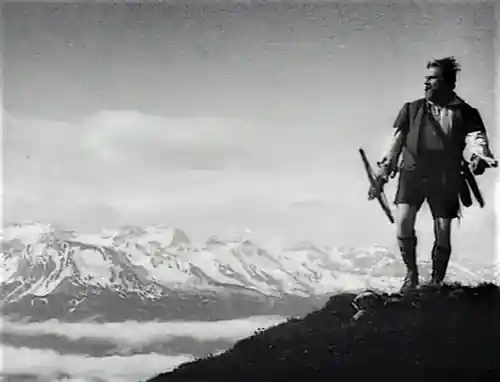
Furthermore, the technical proficiency on display rivals the most ambitious projects of the era, such as Panopta I or the intricate staging of Die Benefiz-Vorstellung der vier Teufel. The production design avoids the staginess of many historical dramas, opting instead for authentic-looking stone huts and weathered costumes that suggest a lived-in world. This isn't a costume party; it's a historical immersion. Even when compared to the stylized aesthetics of Die weißen Rosen, Wilhelm Tell maintains a commitment to a gritty, tactile reality.
What strikes the modern viewer most is how the film handles the aftermath of Tell's defiance. It doesn't end with the apple shot. It follows the ripple effect of that single act as it moves through the valleys, inspiring the common folk to rise. The film explores the logistics of rebellion—the secret meetings, the stockpiling of weapons, and the internal conflicts between those who want peace at any price and those who demand liberty. It avoids the simplistic narrative beats of something like The Path of Happiness, recognizing that the road to freedom is paved with difficult choices and significant loss.
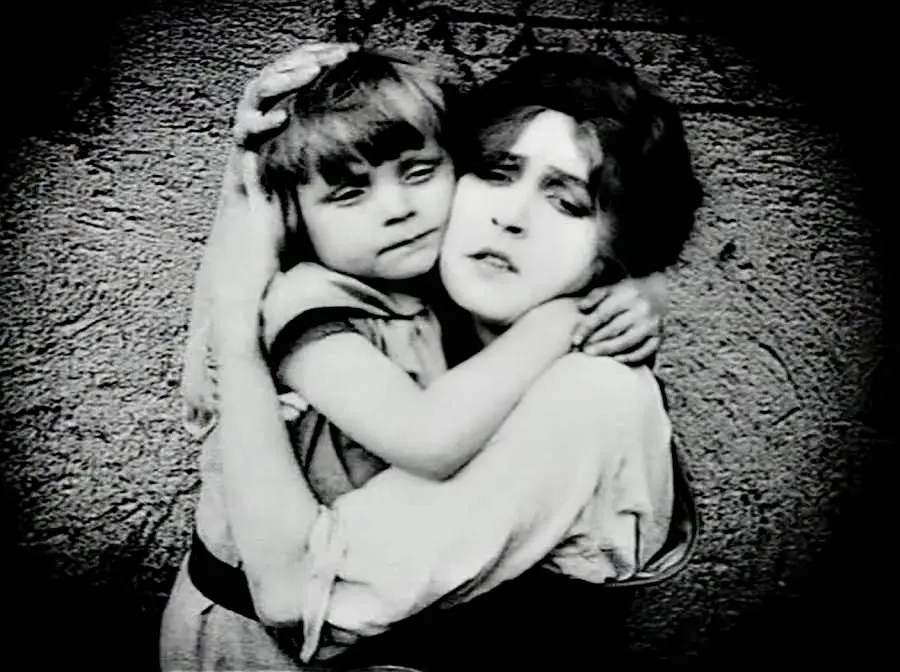
The inclusion of actors like Otto Gebühr—who would later become synonymous with the role of Frederick the Great—adds another layer of historical weight. The film feels like a meeting of the giants of the Weimar screen. Even the smaller roles, such as those played by Käthe Haack and Agnes Straub, are executed with a precision that ensures the domestic stakes of the war are never forgotten. We see the faces of the mothers and wives who wait in the shadows of the mountains, their lives just as precarious as the men on the front lines, a theme explored with different tonal results in All Woman.
As the final reel concludes with the fall of the Habsburg fortresses, there is a sense of genuine catharsis. The film doesn't just tell us that the Swiss won; it makes us feel the exhaustion and the relief of that victory. It is an exhausting experience in the best possible way, demanding the viewer's full attention to its visual metaphors and rhythmic pacing. It stands in stark contrast to the breezy, often superficial narratives of films like Girls Don't Gamble or Over the Garden Wall.
In the pantheon of silent epics, Wilhelm Tell deserves a place alongside the works of Griffith or Gance. It is a film of immense scale and minute detail, a political tract and a personal drama, a myth and a reality. For those willing to look past the absence of spoken dialogue, there is a symphony of emotion to be found in the wind whistling through the mountain passes and the silent, determined march of a people toward their destiny. It remains a vital piece of cinema, a reminder that the struggle against tyranny is as timeless as the mountains themselves, and that a single arrow, shot with purpose, can change the course of history forever.
IMDb 5.4
1921
Community
Log in to comment.