DbcultAccessing Vault...
7.1/10
Senior Film Conservator
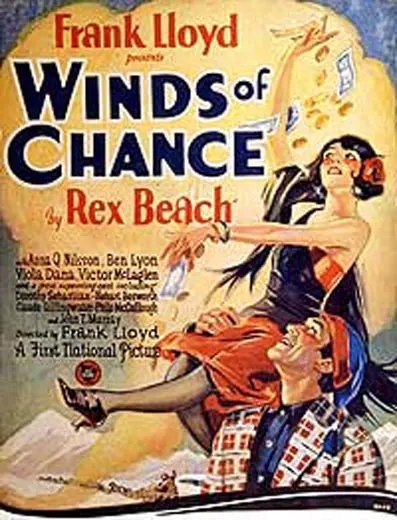
A definitive 7.1/10 rating for a film that redefined the boundaries of cult cinema. Winds of Chance remains a cornerstone of transgressive art.
As the sun sets over the rugged, untamed landscapes of the turn-of-the-century gold rush, Winds of Chance introduces us to a narrative that is as intricate as it is stirring. The film, a masterpiece of early cinema, invites viewers into a world where the pursuit of gold and personal fulfillment intertwine, creating a tapestry of desires, dreams, and sacrifices.
The story revolves around three central characters: George Nichols, a seasoned prospector with a heart of gold; Anna Q. Nilsson, a spirited and ambitious young woman navigating the treacherous waters of love and ambition; and J. Gunnis Davis, a man of conflicting loyalties, torn between his dedication to Nichols and his growing feelings for Nilsson. Their interactions, framed by the relentless backdrop of the gold rush, form a love triangle that is both compelling and tragic.
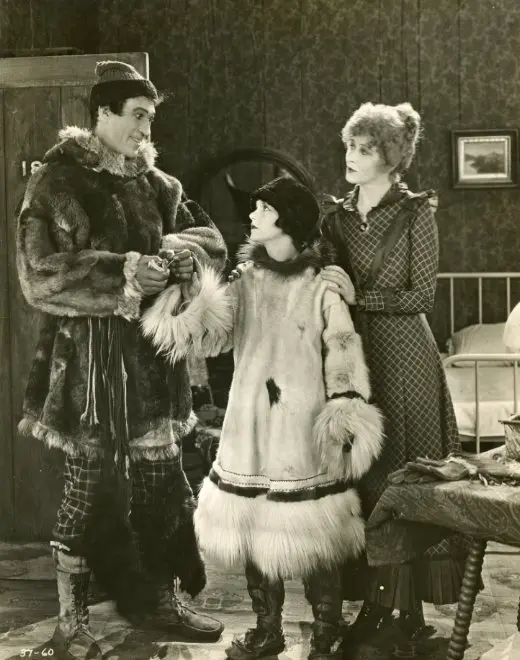
The cinematography of Fesseln and In the Knicker Time subtly influences Winds of Chance, adding a layer of grandeur and realism to the narrative. The sharp, close-up shots of the miners panning for gold, the sweeping shots of the expansive wilderness, and the intimate scenes of the characters' struggles all contribute to a visual feast that enhances the emotional depth of the story.
At the heart of Winds of Chance is a nuanced exploration of the societal norms that govern the lives of the characters. In a time when women were often confined to domestic roles, Nilsson’s drive and ambition stand out, challenging the expectations placed upon her. Her character, played with a mix of vulnerability and strength by Anna Q. Nilsson, is a testament to the resilience of the human spirit. Her journey is a poignant reminder of the power of breaking free from societal constraints.
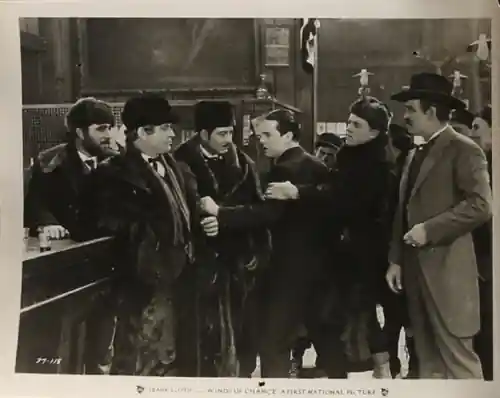
George Nichols, with his rugged charisma and unyielding determination, represents the classic hero of the gold rush era. His character is a study in contrasts, blending moments of vulnerability with a steely resolve. Played by George Nichols, his performance is a masterclass in nuanced acting, effortlessly conveying a range of emotions. The relationship between Nichols and Nilsson is one of mutual respect and deep affection, yet it is also fraught with the complexities of love and loyalty.
J. Gunnis Davis, portrayed by J. Gunnis Davis, embodies the complexity of human nature. His character is a man of contradictions, torn between his loyalty to Nichols and his emerging feelings for Nilsson. Davis’s performance is a masterful display of emotional turmoil, and his interactions with the other characters add layers of tension and drama to the story. The love triangle he forms with Nichols and Nilsson is a central conflict that drives the narrative forward, creating a sense of urgency and inevitability.
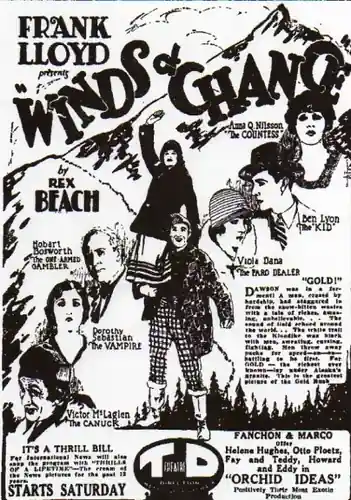
Winds of Chance is not just a tale of love and ambition; it is a profound meditation on the human condition. The film delves into the psychological undertones that shape the characters’ decisions, exploring themes of sacrifice, betrayal, and the pursuit of individuality. The performances are a highlight, with each actor bringing a unique depth to their roles. The chemistry between the leads is palpable, and the supporting cast, including C.E. Anderson and Dorothy Sebastian, add richness to the story with their nuanced portrayals.
The direction and editing of Winds of Chance are exemplary. The narrative is well-structured, with a clear sense of pacing that keeps the audience engaged. The use of flashbacks and subtle symbolism enhances the storytelling, making the film both intellectually stimulating and emotionally resonant. The score, reminiscent of the lush, orchestral compositions of early silent films, adds to the overall atmosphere, heightening the emotional impact of key scenes.

While Winds of Chance is a work of its time, it remains relevant and powerful today. Its themes of individuality, the pursuit of personal fulfillment, and the struggle against societal norms continue to resonate, making it a timeless classic. The film’s exploration of the complexities of human relationships and the challenges faced by individuals in a rapidly changing world make it a must-watch for anyone interested in early cinema or the gold rush era.
Winds of Chance is a profound and emotionally rich film that stands as a testament to the artistry of early cinema. It is a story that transcends its era, offering a poignant exploration of the human condition and the relentless pursuit of dreams and love in the face of adversity.
IMDb 5.4
1930
Community
Log in to comment.