DbcultAccessing Vault...
5.8/10
Senior Film Conservator
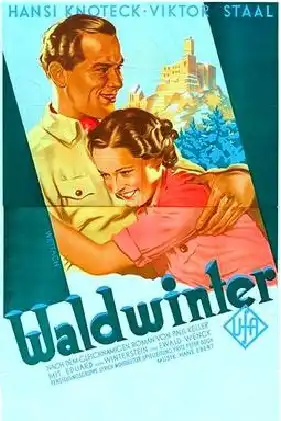
A definitive 5.8/10 rating for a film that redefined the boundaries of cult cinema. Winter in the Woods remains a cornerstone of transgressive art.
Honestly, it depends on how much you like staring at snow and listening to people talk about their feelings in very polite, old-fashioned ways. If you want a fast-paced thriller, you are going to be bored to tears within twenty minutes.
But if you are in the mood for something that feels a bit like a dusty postcard from a different century, it hits the spot. It is not for the person who needs constant plot twists. It is for the person who likes watching moody, grey skies and people looking out of windows for a really long time.
The castle in Silesia is basically a character of its own. It feels cold. I mean, you can practically see your own breath while watching these scenes. There is this one shot where a character walks through the courtyard, and the sound of their boots on the frozen ground is just... crunch, crunch, crunch. It’s oddly hypnotic.
The whole movie feels like it’s trying to keep a secret. Ingeborg Hertel does a lot with just her eyes. She doesn't need to scream about how unhappy she is; she just sits there, and you get it. Her marriage back home is clearly a disaster, even if we never really see the guy she left behind.
Then there is this writer character who shows up. You know the type—too much brain, not enough common sense. His dynamic with her is weirdly detached. They are both running away, but they aren't exactly running toward each other either.
Sometimes the film feels like it’s trying to be deep in the way that people in the 1930s thought was really profound. There’s a lot of talk about 'the city' versus 'the mountains' as if they are these big, competing monsters. It’s a bit silly, honestly. Like, we get it, nature is healing and cities are loud. You don't have to keep mentioning it every five minutes.
There is a weird segment in the middle where I totally zoned out. The dialogue gets a bit too flowery, and the pacing just stops dead. It reminded me a bit of the slow, deliberate slog you find in The Last Man, where the atmosphere is doing all the heavy lifting while the story takes a nap.
It’s not a masterpiece, and it doesn't try to be. It feels like a small, personal project that managed to get filmed before everyone decided that movies needed to be 'important.' It’s imperfect, a little bit cold, and kind of lovely in a way I didn't expect.
Just don't go into it expecting a huge payoff. The ending happens, and you’re just left there with the snow. Which is fine, really.
IMDb 4.8
1916
Community
Log in to comment.