DbcultAccessing Vault...
5.8/10
Senior Film Conservator
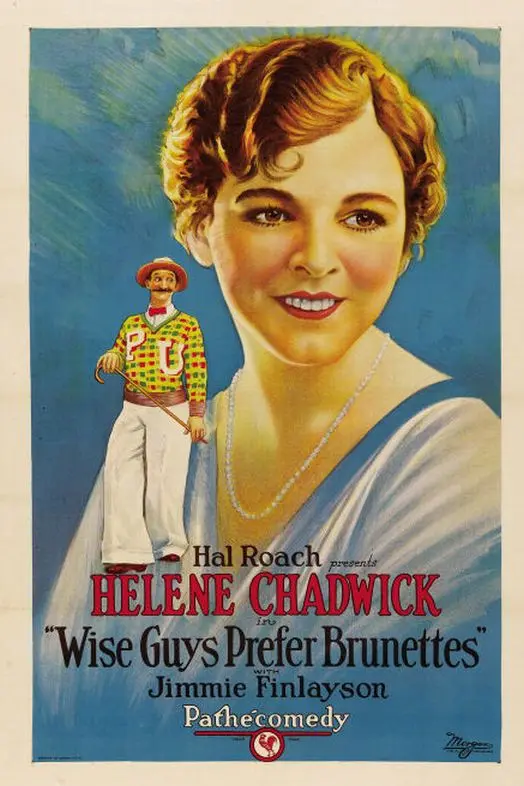
A definitive 5.8/10 rating for a film that redefined the boundaries of cult cinema. Wise Guys Prefer Brunettes remains a cornerstone of transgressive art.
Short answer: Yes, but only if you have a high tolerance for the frantic, unhinged energy of the silent era's gag-factory style. This film is a loud, visual assault that prioritizes kinetic movement over narrative logic. It is specifically for those who find the 'slow-burn' of modern comedy tedious and prefer the 'fast-burn' of a man accidentally gluing his life back together. It is definitely not for anyone seeking a sophisticated satire on the 1920s; this is a mallet, not a scalpel.
1) This film works because James Finlayson’s face is a comedic weapon that requires no translation or sound. 2) This film fails because the 'miracle plaster' plot device is introduced so abruptly it feels like the writers were making it up as they filmed. 3) You should watch it if you want to see a masterclass in the 'double-take' technique that defined early Hollywood comedy.
Wise Guys Prefer Brunettes is a fascinating relic of 1926, a year when cinema was beginning to figure out that audiences wanted more than just chases—they wanted character-driven chaos. James Finlayson, best known as the perpetual foil to Laurel and Hardy, takes center stage here. He plays Dean Quintas with a level of vibrating intensity that makes you wonder if he was actually having a breakdown on set. The premise—an old man blaming a dress shop for the 'bad behavior' of women—is a direct jab at the moral panics of the time. It’s a theme we see echoed in films like The Moral Sinner, though that film takes a significantly more dramatic approach to the concept of female agency.
The dress shop itself is treated as a den of iniquity, which is hilarious by modern standards. Finlayson’s Dean marches in like he’s storming a fortress, only to be defeated by the sheer fluffiness of the environment. There is a specific moment where he gets tangled in a rack of flapper dresses that serves as a perfect metaphor for the era: the old guard trying to restrain the new, only to end up looking ridiculous. It’s a simple gag, but Finlayson sells it with every twitch of his iconic mustache.
The introduction of the miracle plaster is where the film sheds any pretense of being a grounded social commentary. In the world of Hal Roach, logic is a secondary concern to the 'laugh-per-minute' ratio. The transition from the crotchety, hunched Dean to his younger, more vibrant self is handled with the kind of rough-edged camera tricks that give silent film its charm. It’s not seamless, but it doesn’t need to be. The fun comes from seeing Finlayson attempt to mimic the movements of a youth while still maintaining the panicked eyes of a man who knows he’s out of his depth.
This 'fountain of youth' trope was common in the 20s, often used to explore the anxieties of men losing their grip on a rapidly changing world. You can see similar themes of transformation and identity crisis in The Dream Cheater, though that film veers into the macabre. In Wise Guys Prefer Brunettes, the transformation is played strictly for laughs. The rejuvenated Dean doesn't use his second chance to improve the world; he use it to get into trouble, proving that the 'bad behavior' he hated in his students was likely just repressed envy.
Is Wise Guys Prefer Brunettes worth your time in the age of high-definition streaming? If you are a student of comedy, the answer is a resounding yes. It represents a bridge between the pure slapstick of the early 1910s and the more structured features of the late 1920s. The pacing is relentless. It doesn't ask for your attention; it demands it by constantly throwing a new complication at the protagonist. However, if you find the broad, exaggerated gestures of silent film to be grating, this will be a difficult sit. It is a film that exists in a state of permanent over-reaction.
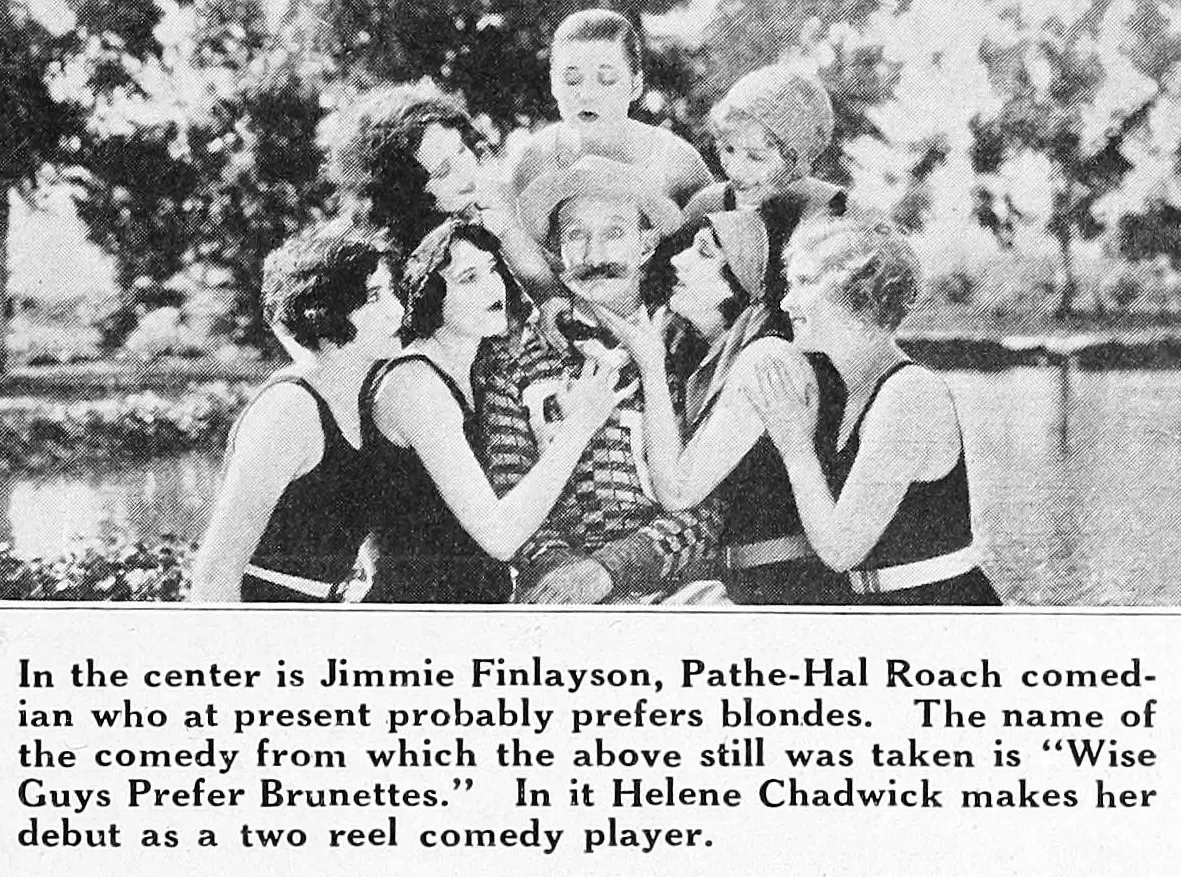
The acting ensemble, including Ted Healy and Martha Sleeper, provides a solid foundation for Finlayson’s antics. Martha Sleeper, in particular, brings a vibrant energy that matches the 'Brunette' promise of the title. The chemistry between the cast feels like a well-oiled machine. This was the Hal Roach 'Stock Company' at its peak, where actors knew exactly how to stay out of each other's way during a complex physical gag. Contrast this with the more somber ensemble work in The Other Woman, and you see the vast range of the era's performance styles.
Pros:
- The energy is infectious and rarely flags.
- Finlayson is at the top of his game, proving why he was a comedy staple.
- The set design of the dress shop is a fun time capsule of 1920s fashion trends.
Cons:
- The 'miracle plaster' logic is never fully explained, even by silent film standards.
- Some of the supporting characters are given very little to do other than react to the lead.
- The film’s attitude toward the female students is patronizing, even when it’s trying to be funny.
The direction by Hal Yates is functional but effective. He understands that in a film like this, the camera is merely a witness to the carnage. There are few flourishes; the focus is entirely on the performers' bodies. The pacing is what really saves the film from its thin premise. It moves with a staccato rhythm—gag, reaction, complication, gag. This is the same DNA found in Lucky Stars, where the momentum of the scenes carries the audience over any logical potholes.
One surprising observation is how the film handles the concept of 'brunettes' vs 'blondes.' The title is a play on Anita Loos' famous novel, but the film doesn't really care about hair color. It’s a marketing hook. The real focus is on the 'Wise Guys'—the men who think they are in control but are actually the biggest fools in the room. This subversion of the 'authority figure' is a staple of the genre, but it’s executed here with a particular bite that feels almost modern. It’s a cynical look at the people who set the rules.
"Finlayson doesn't just act; he vibrates. He is a man perpetually on the edge of a nervous breakdown, and in 1926, that was the height of comedy."
When compared to something like The Human Tornado, which uses physical movement for spectacle, Wise Guys Prefer Brunettes uses it for character humiliation. There is a cruelty to the comedy that is refreshing. The Dean isn't just rejuvenated; he is punished by his own youth. It’s a brutal, simple sentence: He becomes his own victim. And we laugh at him the whole way down.
Wise Guys Prefer Brunettes is a loud, messy, and occasionally brilliant piece of silent comedy. It isn't a 'masterpiece' in the traditional sense; it’s a factory product that happens to have a soul thanks to James Finlayson’s manic performance. The plot is a series of excuses for physical bits, but those bits are executed with a precision that modern comedies often lack. It works. But it’s flawed. If you can handle the dated tropes and the breakneck speed, it’s a rewarding glimpse into the heart of the Hal Roach era. It’s a reminder that even a hundred years ago, we were still making fun of old men who didn't want the world to change. Some things never go out of style.
IMDb 6
1933
Community
Log in to comment.