DbcultAccessing Vault...
Cult Review
Senior Film Conservator
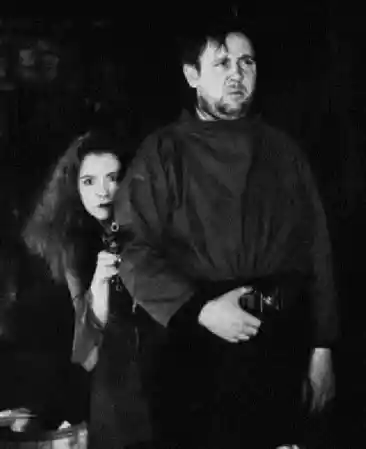
Alright, let’s talk about Wolves from 1929. Is it worth digging up today? Absolutely, if you have a soft spot for silent films or a curious mind for cinematic history. This one’s a quiet little watch for those who appreciate early dramas, especially with a young Charles Laughton doing his thing. Folks who need constant action or modern pacing will probably find it a bit of a snooze. 😴
The core idea here is pretty neat: an outlaw leader, played by Arthur Margetson, rigs a card game. Not for personal gain, oddly enough, but to give a sick girl a chance at escaping a rough life. It’s a premise that hints at some real heart, even amidst the grimness of its setting.
Margetson, as the outlaw, has this really understated presence. He doesn't chew the scenery; it's more of a quiet intensity. You can almost feel him wrestling with the decision to mess with the game, even if the stakes for him are low. The film isn't about grand gestures, it’s about these tiny, almost internal shifts.
And then there’s Dorothy Gish, who plays the sick girl. She's got this fragility that really comes through. There’s a scene where she just coughs, and it’s not some dramatic, Hollywood cough. It’s just this *small*, weak sound, and you totally get why this outlaw would even bother to help. It feels very real, somehow. 🌱
Now, let's talk about the Blackmail star Charles Laughton. He’s here, quite early in his career, and it’s cool to spot him. He’s not the main character, obviously, but he pops up as one of the other outlaws. You can already see a hint of that powerful screen presence, even without him having tons of lines. He just… *is* there, you know? One moment, he’s just standing by a table, observing, and his eyes just draw you in. It’s a little blink-and-you-miss-it, but it’s there.
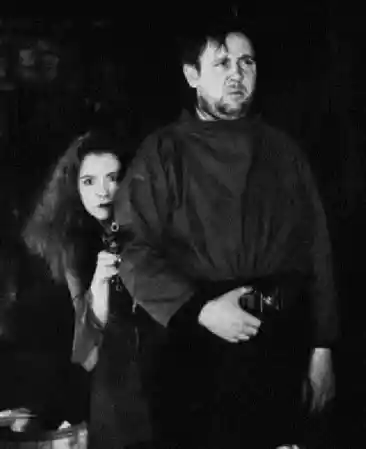
The pacing, well, it's 1929. So, it takes its time. There are moments where the camera just holds on a character's face for a beat longer than you’d expect today. It’s not necessarily bad; it just gives you time to really soak in their expressions, especially during the card game. The tension in that scene, while slow-burn, really builds.
One little thing that stuck with me was the way they show the setting. Lots of shadowy corners and rough-hewn cabins. It’s not fancy, but it gets the point across. You feel the cold, the isolation. It’s pretty effective without needing a huge budget to tell you where you are. The extras in the background sometimes look a bit lost, which is charming in its own way. Like, are they part of the scene or just waiting for lunch? 🤔
The ending, without giving anything away, is... well, it’s fitting for the tone. It doesn’t try to tie everything up with a neat bow, which I actually appreciate. It just kind of… ends, leaving you to ponder the small acts of kindness in a world that isn't always kind. It feels less like a grand conclusion and more like a moment captured.
Overall, Wolves isn't going to blow anyone’s mind with special effects or a twisty plot. It’s a simple story, told simply. But for those who enjoy seeing how stories were crafted almost a century ago, and for Laughton fans, it’s a neat little piece of the puzzle. Definitely worth a look if you’re into that kind of thing. Just don’t go in expecting a modern blockbuster. It's more of a quiet evening watch with a cup of tea. ☕
IMDb —
1914
Community
Log in to comment.