DbcultAccessing Vault...
2.3/10
Senior Film Conservator
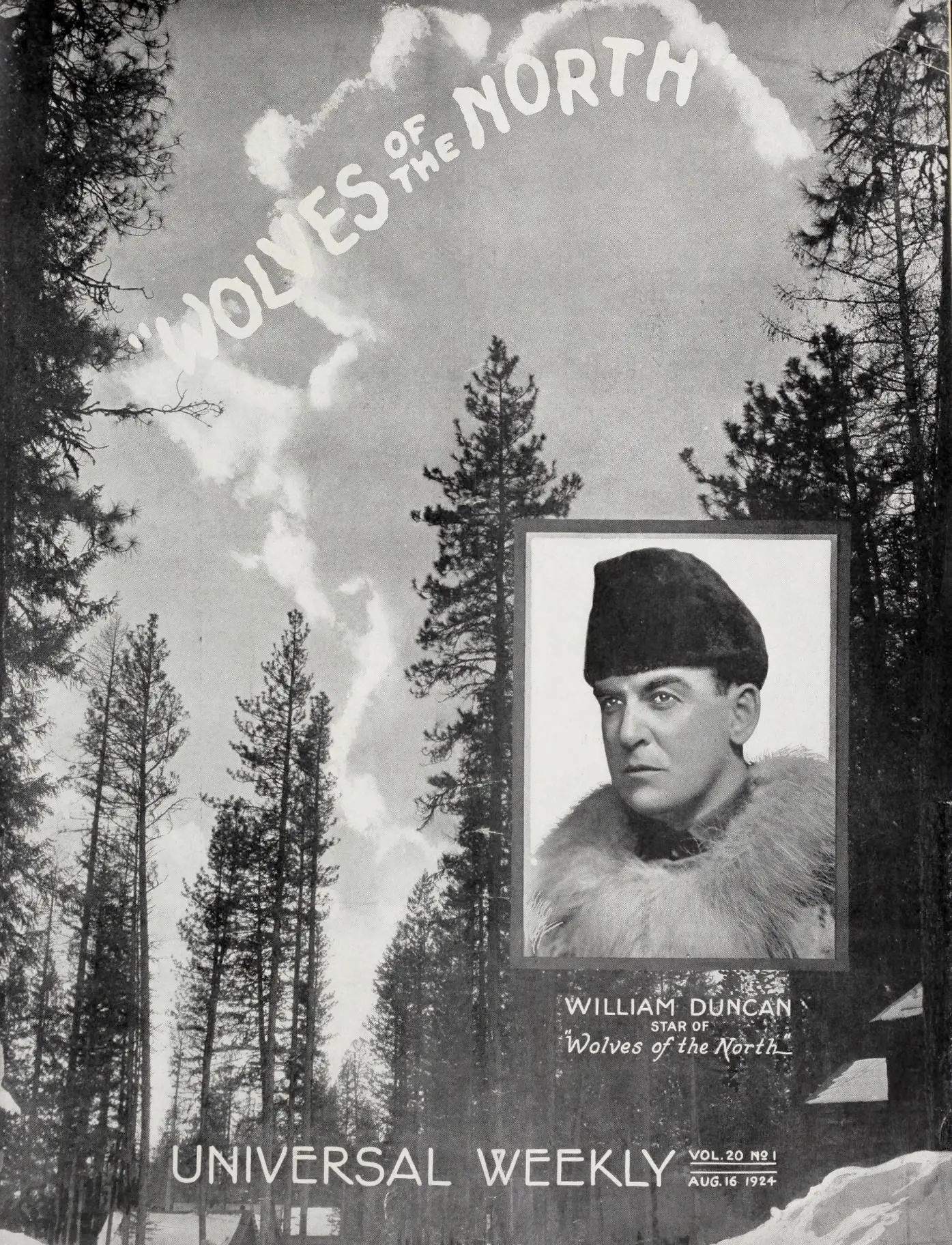
A definitive 2.3/10 rating for a film that redefined the boundaries of cult cinema. Wolves of the North remains a cornerstone of transgressive art.
Set against the backdrop of the majestic yet unforgiving Pacific Northwest, 'Wolves of the North' (1924) transports viewers into a world where survival is a daily challenge. Directed with a keen eye for detail and infused with a palpable sense of authenticity, this film is a thrilling exploration of the human spirit under extreme conditions.
The narrative revolves around a group of fur trappers who are as much at odds with each other as with the hostile environment they must traverse. These men, played with intensity and grit by the ensemble cast, are depicted as complex characters, grappling with their own desires, fears, and moral dilemmas. Their interactions, marked by both camaraderie and conflict, add layers of depth to the story, making the audience feel the tension and camaraderie firsthand.
The film's plot unfolds through a series of intense and often violent confrontations with both natural and human adversaries. The trappers face the relentless wrath of the wilderness, from raging rivers to freezing winters, each obstacle pushing them to their limits. These scenes are masterfully crafted, with cinematography that captures the stark beauty of the landscape and the raw emotions of the characters. The use of close-ups and dynamic camera movements heightens the sense of immediacy, immersing the viewer in the harsh reality of their struggle.
Equally compelling are the interactions with the indigenous peoples of the region. The film portrays these encounters with a certain realism, neither romanticizing nor vilifying the Native Americans. Instead, it depicts them as equals in a struggle for survival, adding a layer of cultural complexity to the narrative. This nuanced portrayal is a testament to the film's ambition and its commitment to representing the complexities of the era.
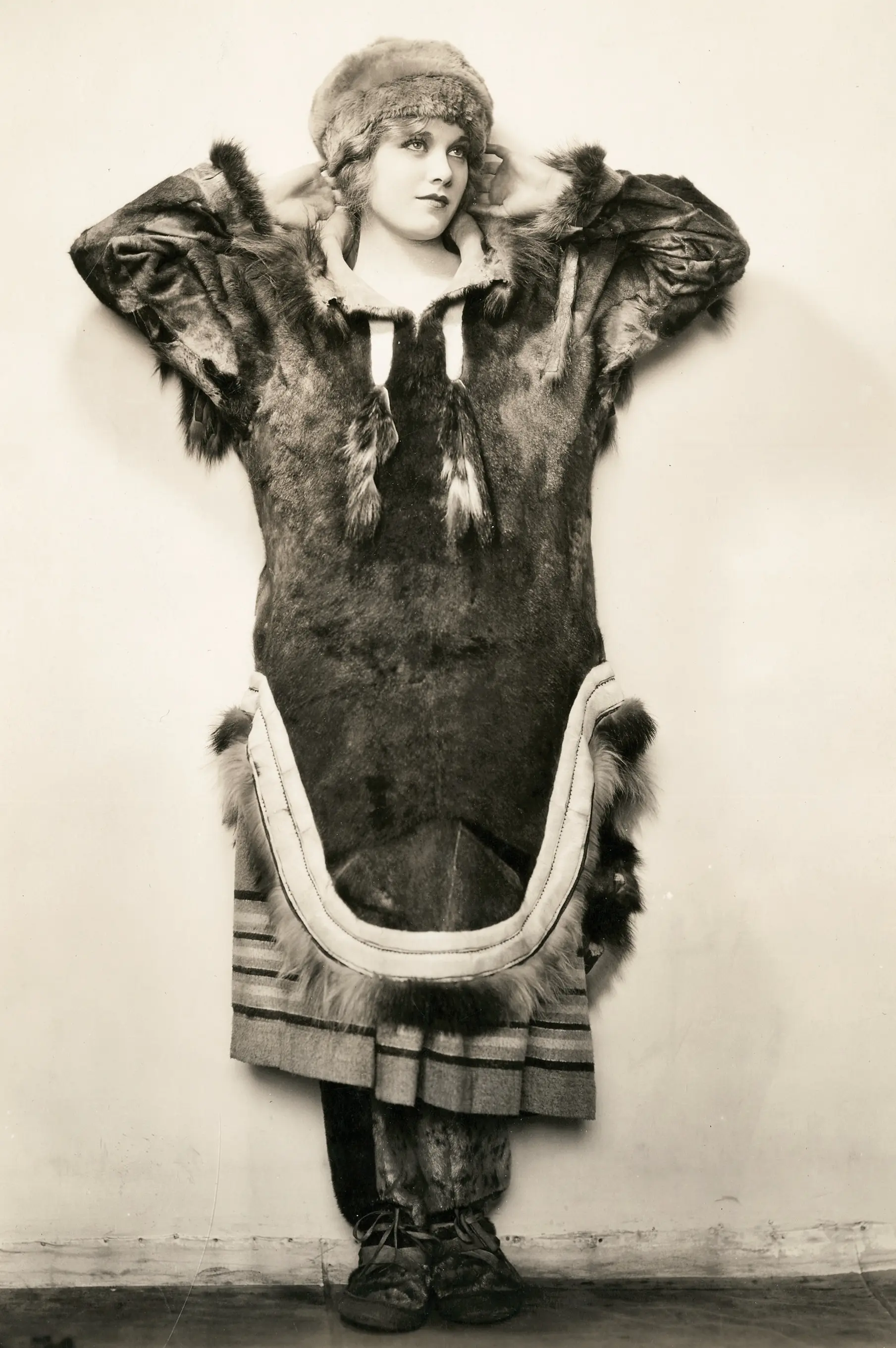
The film's production values are noteworthy, with a meticulous attention to detail in the costumes, sets, and props. The trappers' gear and the landscape are presented with such authenticity that one can almost feel the weight of their gear or the chill of the cold air. The sets, while not as elaborate as those in later films, are striking in their ability to convey the vastness and harshness of the wilderness.
Technically, 'Wolves of the North' stands out as a remarkable achievement of its time. The editing is smooth, and the pacing is just right, maintaining a balance between action and character development. The score, although minimal, adds a haunting quality to the proceedings, complementing the film's somber yet thrilling tone.
It is worth noting that 'Wolves of the North' does not shy away from the brutal realities of its setting. The film is unflinching in its portrayal of both the natural and human threats, from violent confrontations with other trappers to the harsh realities of life in the wilderness. This unapologetic approach lends the film a sense of authenticity that is both refreshing and challenging to modern audiences.
The performances by the cast are uniformly strong, with each actor bringing a distinct personality to their role. Malvina Polo and Harry Woods stand out, their chemistry and intensity driving much of the narrative forward. The supporting cast, including Joe Bonomo and Esther Ralston, add depth and nuance to the ensemble, making for a richly textured viewing experience.
While 'Wolves of the North' does not break new ground in terms of storytelling, it excels in its execution and the sheer intensity of its narrative. It is a film that demands to be seen, not just for its historical significance but for its ability to capture the essence of the human experience in the face of overwhelming adversity.
For those interested in early Hollywood, adventure films, or simply a compelling tale of survival, 'Wolves of the North' (1924) is a must-see. Its blend of gritty realism, heart-pounding action, and richly drawn characters makes it a standout in the genre, a film that continues to resonate with audiences more than a century after its release.
IMDb —
1919
Community
Log in to comment.