DbcultAccessing Vault...
Cult Review
Senior Film Conservator
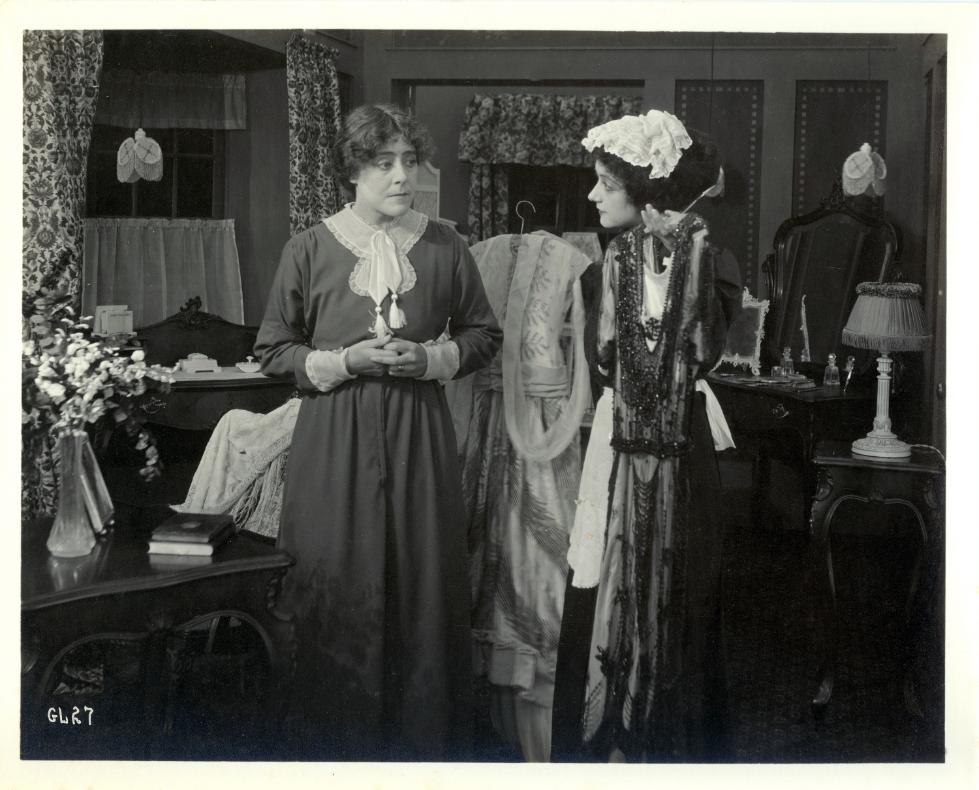
The silent era of cinema often grappled with the seismic shifts of the American Dream, but few films navigate the treacherous waters of social mobility with the surgical precision found in The Governor's Lady (1915). Directed by the often-overshadowed but technically brilliant William C. de Mille and penned by Alice Bradley, this production serves as a foundational text for the American political melodrama. It begins not in the marble halls of power, but in the claustrophobic, soot-stained reality of a mining camp. Here, Daniel Slade (Theodore Roberts) represents the quintessential proletarian archetype—a man whose physical strength is matched only by a latent, dormant hunger for something more. Unlike the visceral, action-oriented mining conflicts seen in The Spoilers, de Mille’s approach is introspective, focusing on the psychological toll of sudden wealth.
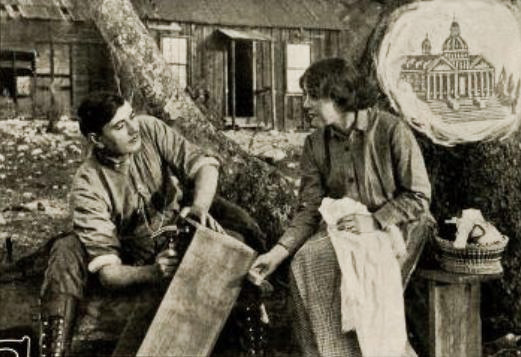
When Slade strikes gold, the film undergoes a visual metamorphosis. The lighting shifts from the high-contrast chiaroscuro of the mines to the flat, opulent brightness of high-society ballrooms. This aesthetic transition mirrors the internal fragmentation of the Slade household. Mary Slade (Edith Wynne Matthison) provides the emotional heart of the story, acting as a vestigial organ of Daniel’s former self. While Daniel attempts to scrub the coal dust from his soul, Mary wears her simplicity like a badge of honor. The tension is palpable; it is the classic struggle between the nouveau riche desire for reinvention and the human need for authentic connection.
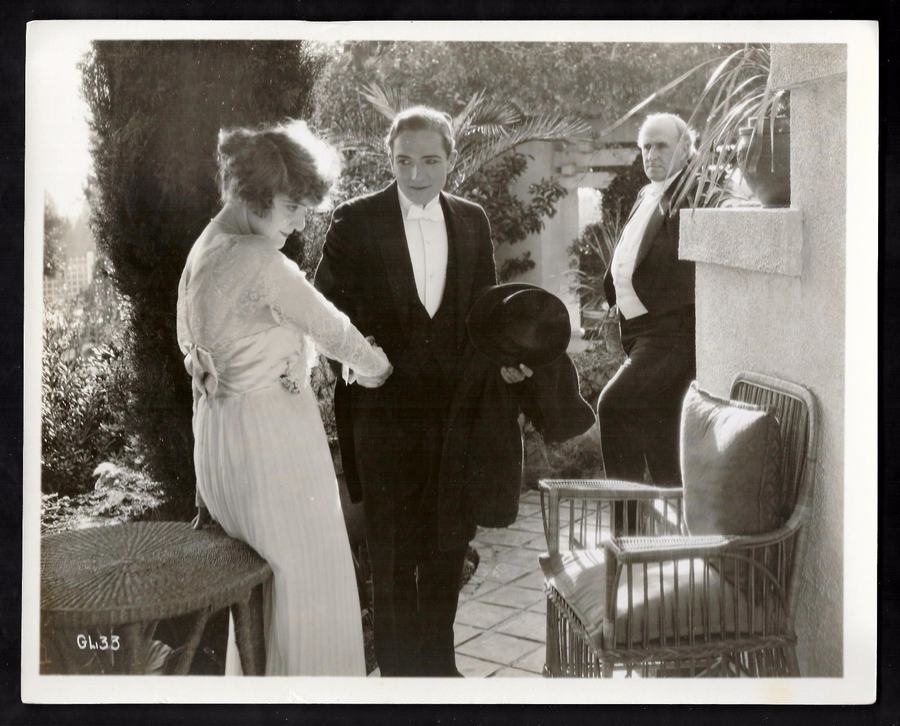
Enter Senator Strickland (James Neill) and his daughter Alice (May Allison). Their introduction marks the arrival of a predatory political class. Strickland recognizes in Slade the perfect vessel—a man with the capital to fund a campaign and the aggressive personality to dominate the electorate. However, the Senator perceives Mary as a liability, an unpolished stone that threatens the luster of Slade’s burgeoning career. The film expertly explores the commodification of marriage, where Alice is dangled before Slade as a reward for his political ascension. This dynamic echoes the transactional romances found in The Love Tyrant, though here the stakes are amplified by the looming shadow of the Governor’s mansion.
Theodore Roberts delivers a performance of remarkable nuance. Known for his versatility, Roberts portrays Slade not as a mustache-twirling villain, but as a man genuinely deluded by the siren song of prestige. He believes that by discarding Mary, he is merely shedding an obsolete skin. The tragedy lies in his inability to see that Mary is the only thing tethering him to his humanity. The film’s pacing is deliberate, allowing the audience to feel the slow erosion of Slade’s moral compass as he moves closer to the divorce that Alice demands. This isn't just a domestic dispute; it is a battle for the very soul of a man who has traded his pickaxe for a scepter.
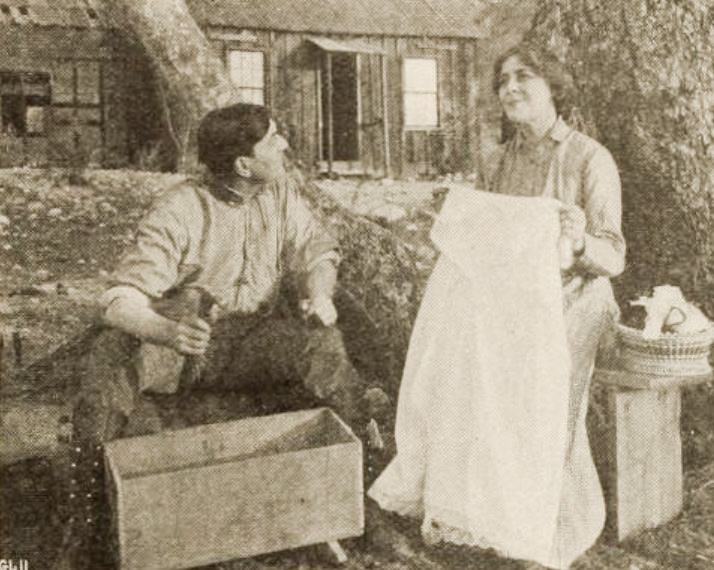
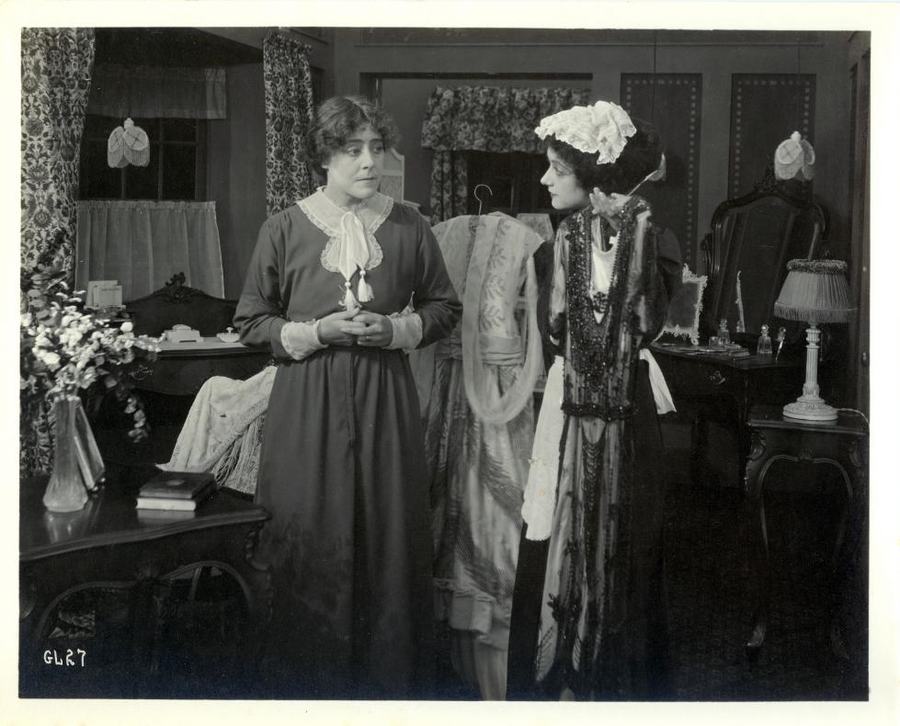
One must acknowledge the theatrical pedigree of The Governor's Lady. Based on the play by Alice Bradley, the film retains a certain structural elegance, yet William C. de Mille avoids the static, stagier pitfalls that plagued many early adaptations, such as Les amours de la reine Élisabeth. De Mille utilizes the camera to capture subtle facial tics and environmental details that would be lost on a live stage. The production design is meticulously curated, juxtaposing the cold, cavernous interiors of the Slade mansion with the warm, cluttered intimacy of the small cottage where Mary eventually retreats. This visual storytelling communicates the emotional distance between the characters more effectively than any title card could.
The use of space in the film is particularly striking. In the scenes where Slade and Alice discuss their future, they are often framed by expansive, empty rooms, emphasizing the hollow nature of their arrangement. Conversely, when Mary is on screen, the frame feels fuller, more lived-in. This contrast highlights the central theme: that power often brings a chilling isolation, while humility provides a richness that money cannot purchase. It is a theme often explored in silent cinema, yet rarely with such sophisticated restraint. Even compared to contemporary morality plays like The Unbroken Road, The Governor's Lady feels remarkably modern in its cynicism toward political institutions.
The climax of the film is a masterclass in emotional catharsis. As Daniel Slade reaches the pinnacle of his career, becoming the Governor, he finds the view from the top to be desolate. The realization of his folly—his "unpardonable" betrayal of Mary—hits him with the force of a physical blow. The narrative doesn't allow him an easy exit; he must earn his redemption. The scenes where he attempts to persuade Mary to return are fraught with a genuine sense of contrition. Edith Wynne Matthison’s performance as Mary reaches its zenith here; she isn't merely a submissive wife, but a woman of immense dignity who requires Slade to recognize her worth before she will grace his side again.
The final image of Mary taking her place as the Governor’s Lady is not a victory of status, but a victory of the spirit. She has transformed the role from a political necessity into a position of moral authority. This resolution is far more satisfying than the typical melodramatic ending. It suggests that while the structures of power are often corrupt, they can be redeemed by the presence of those who remember their roots. In this sense, the film acts as a precursor to the great political dramas of the 1930s and 40s, presaging the works of Frank Capra.
Viewing The Governor's Lady through a contemporary lens, one is struck by how little the core anxieties of the American experience have changed. The fear of losing one's identity in the pursuit of success remains a potent cultural narrative. While some might find the pacing of 1915 cinema a challenge compared to the frenetic energy of a film like Bushranger's Ransom, or A Ride for Life, the reward here is a deep, resonant character study. The film avoids the simplistic morality often found in early works like Uncle Tom's Cabin, opting instead for a grey-shaded world where even the hero is capable of profound cruelty.
The technical proficiency of the de Mille brothers is on full display here. While Cecil went on to define the Hollywood epic, William focused on the intimate, the domestic, and the psychological. The Governor's Lady is a testament to that focus. It is a film that demands attention not through spectacle, but through the sheer weight of its human drama. It reminds us that the most significant battles are not fought on battlefields or in the streets, but within the quiet confines of the human heart. For anyone interested in the evolution of cinematic storytelling, this film is an essential chapter, a bridge between the primitive theatricality of the early 1900s and the sophisticated character dramas of the golden age.
IMDb 5.2
1923
Community
Log in to comment.