DbcultAccessing Vault...
Cult Review
Senior Film Conservator
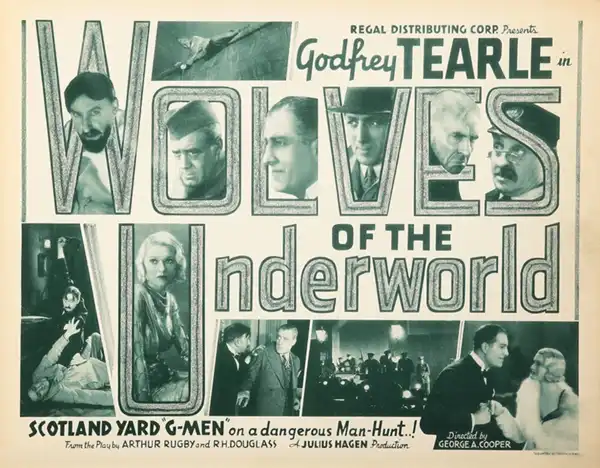
Alright, let’s talk about Wolves of the Underworld. If you’re into the old, old stuff – particularly silent films from the late 20s – then yeah, this one’s worth a look. It’s got a certain grit to it, a neat little twist you don’t quite expect. For anyone else, especially if you need dialogue or a fast pace, you’ll probably find yourself checking your watch. 🕰️
The premise here is pretty straightforward, which is often a blessing with these older pictures. A crew of shady characters, the titular 'wolves,' decide a doctor needs to be taken care of. You think you know where this is going, right? Good guy doctor, bad guys… nope. Not quite.
Our doctor, played by Godfrey Tearle, turns out to be anything but helpless. The moment he dispatches his would-be killer, it’s actually quite jarring. He just… does it. No real hesitation. It makes you wonder what kind of life this 'respectable' man was truly leading before this whole mess.
And then there’s the train wreck. Oh, the train wreck! 🚂 The plot description calls it 'accidentally handy,' and honestly, that’s an understatement. The doctor just plants the body right there. It’s such a wonderfully convenient piece of scenery. You almost have to laugh at how perfectly placed it is for his quick thinking. Did he just get incredibly lucky, or was he always eyeing that particular stretch of track for a potential crime scene?
Isla Bevan, as far as I could tell, doesn’t get a ton to do, but her presence adds a bit of calm amidst the escalating tension. It’s mostly about the men in this one, though.
The pacing is… well, it’s 1929. Don’t expect a modern thriller. There are moments that really drag. Shots linger, sometimes for what feels like an eternity, probably for dramatic effect back then. Now, it just gives you time to ponder why the doctor didn’t just call the police.
But then, there’s that *other* gangster. The witness. He just stands there for a beat too long. You can almost feel the movie trying to make sure you saw him. His face, it’s just this mixture of shock and opportunistic menace. He knows. And that’s where the real trouble begins.
The film handles the chase pretty well, all things considered. It’s not a car chase, obviously, but more of a cat-and-mouse game through dimly lit streets and smoky backrooms. You get a sense of desperation from Tearle's doctor, even if his initial act was so cold.
What struck me was how much the film relies on those little visual cues. A quick glance, a sudden movement – it all had to carry so much weight without any spoken words. Fred Groves, as one of the gangster types, has this great sneer that tells you everything you need to know about his character without a single title card.
It’s not A Perfect Crime by any stretch, but it certainly tries. The whole 'underworld' vibe isn't as grand as later gangster pictures, but it hints at a seedy side of life, even back then. The low-key sets actually work in its favor, making it feel a bit more claustrophobic and real.
You can almost feel the filmmakers trying to push the boundaries of what a crime drama could be. The silent era had to be so creative with its storytelling, relying on pure visual narrative. And Wolves of the Underworld is a pretty decent example of that, even with its quirks.
So, if you’re a silent film enthusiast, or just curious about the early days of crime cinema, give it a shot. Otherwise, you might want to stick to something with a bit more… sound. 🤫
IMDb 6.9
1933
Community
Log in to comment.