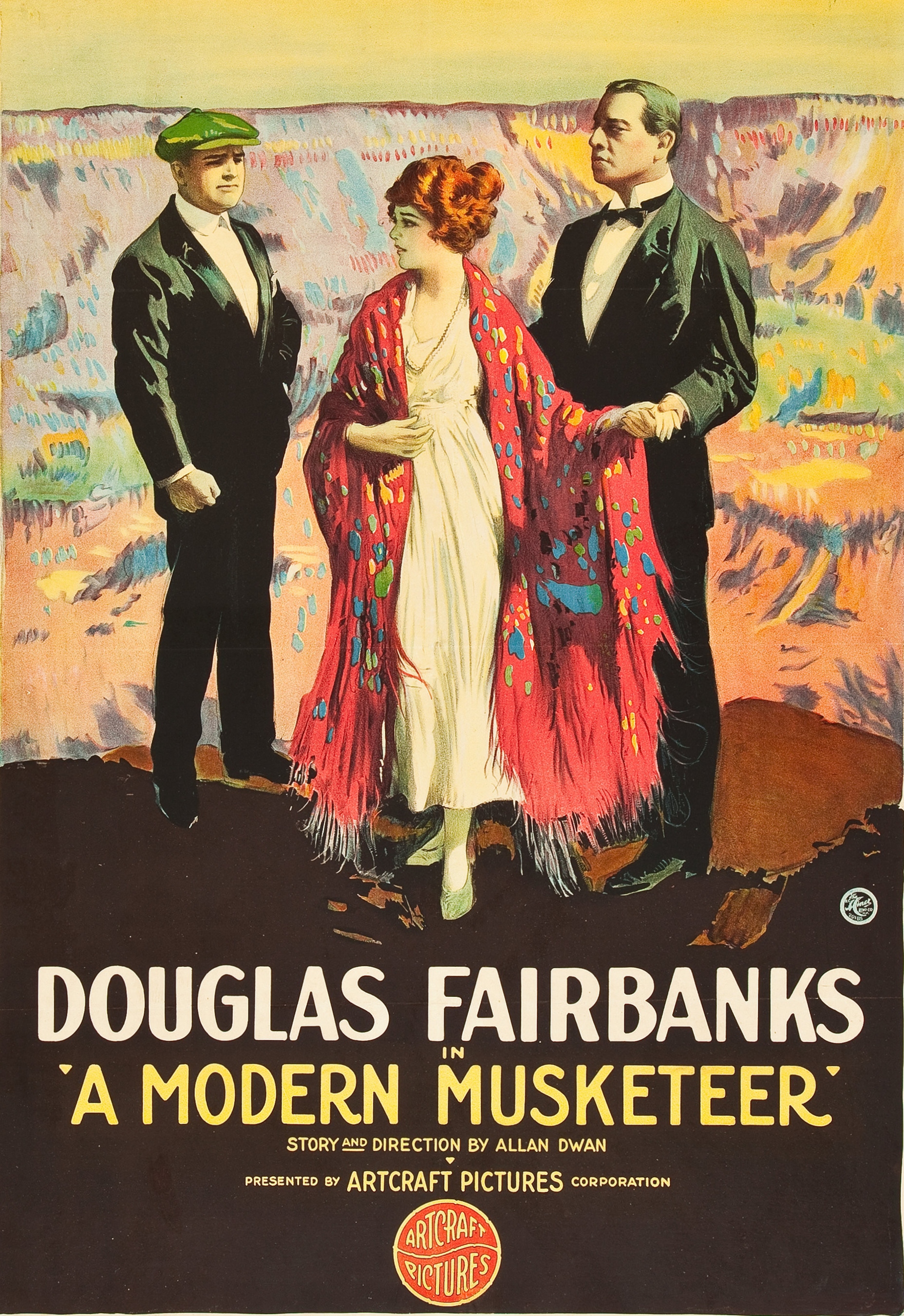
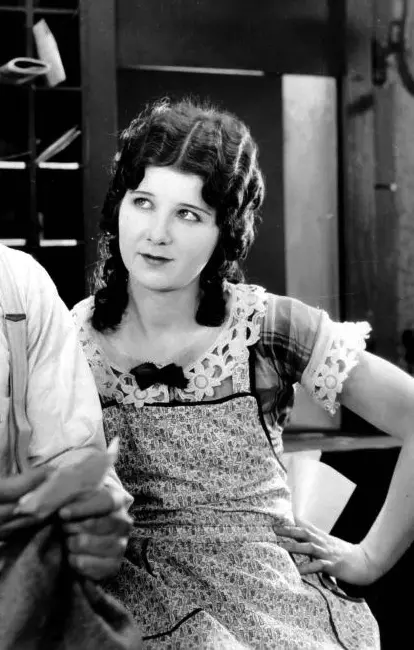
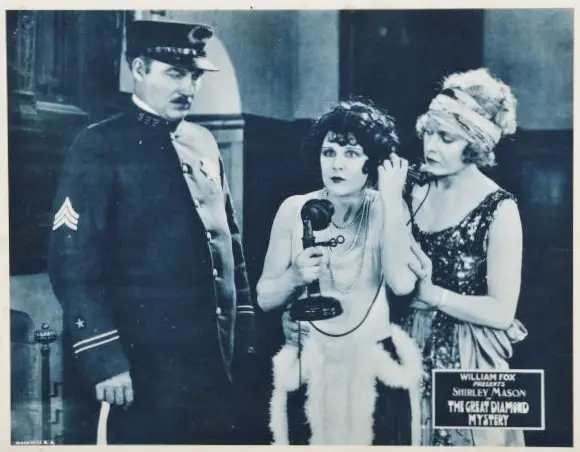
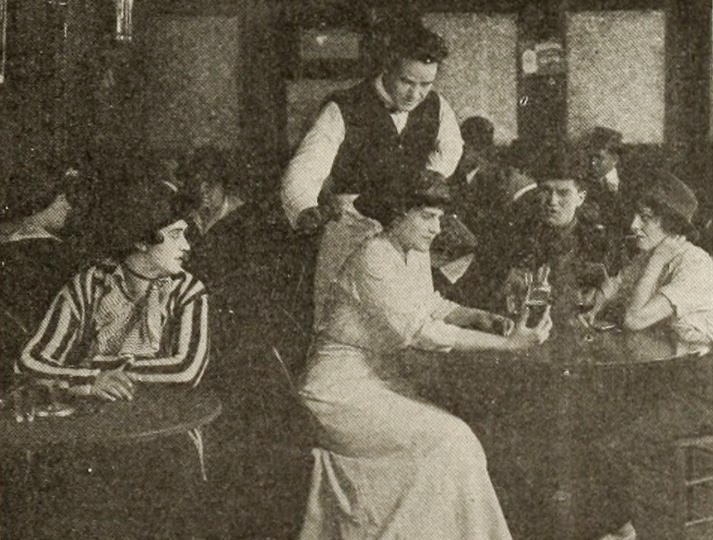
Wally Griggs, a timid bank messenger, lives another life as a dashing young sport whose tales of wild adventure interest bank president Halliday and romantically fascinate Mary, who has been swindled out of a fortune by Thaine, now district attorney. When Wally decides to hide some bank bonds and is arrested by Thaine, he sues for false imprisonment and wins back Mary's money.
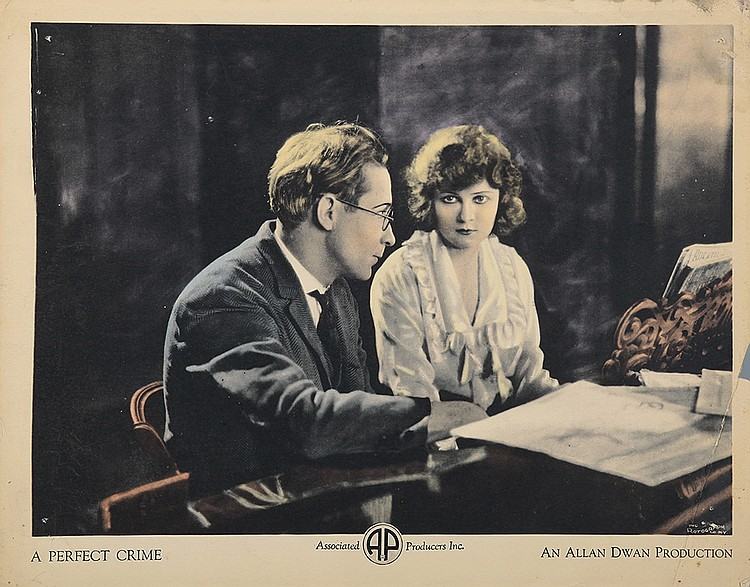
::selection{background:#EAB308;color:#000;} A 1921 alley-cat of a film has slinked back into the lamplight, and it carries itself like it never forgot how to purr. A Perfect Crime lands on modern retinas with the crackle of nitrate reborn: Allan Dwan’s Manhattan fable, long buried beneath the sediment of Keystone slap...
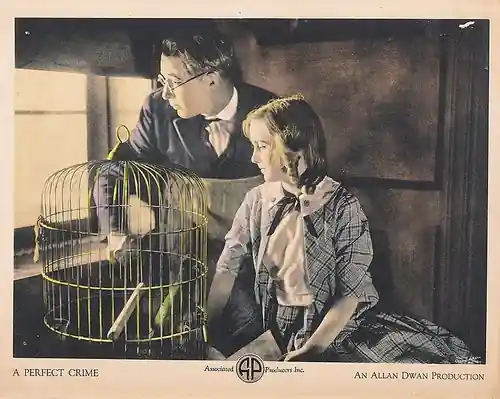
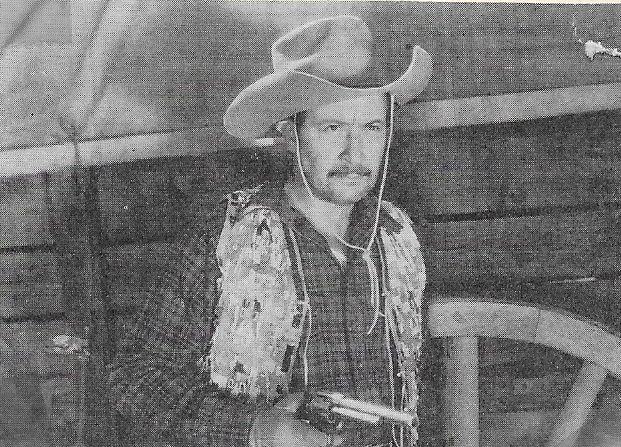
still_frame
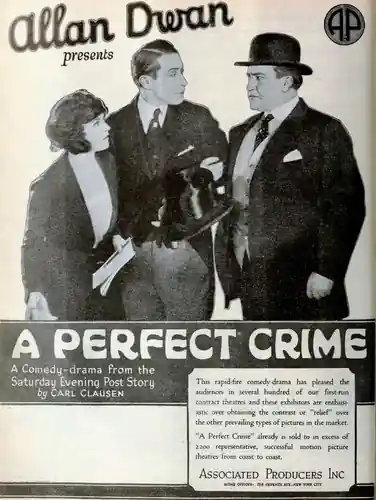
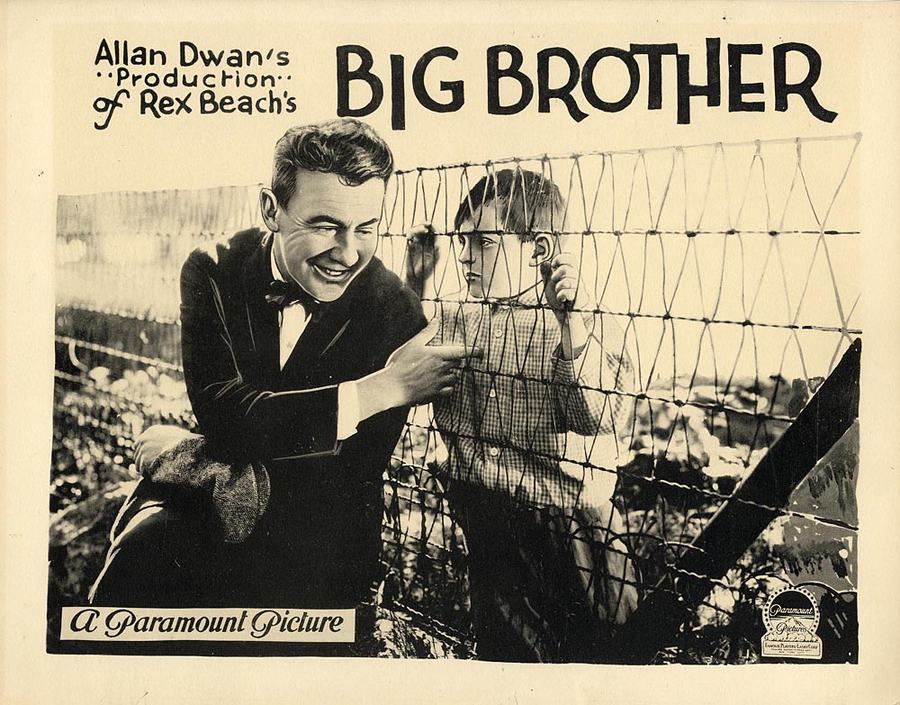
production_art
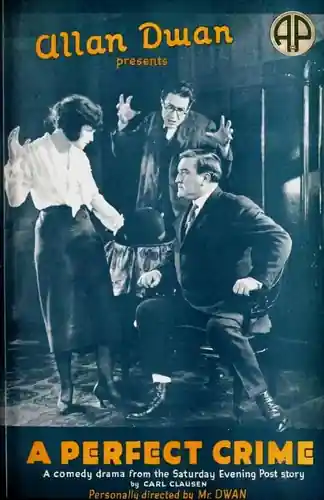
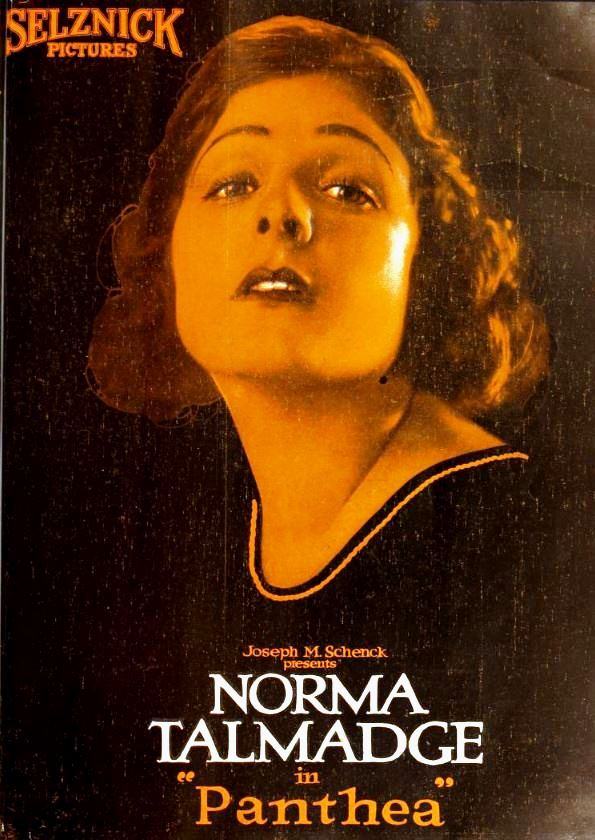
publicity
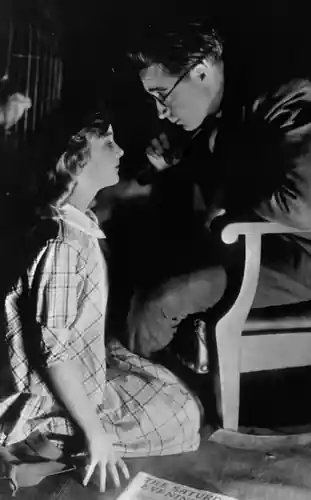
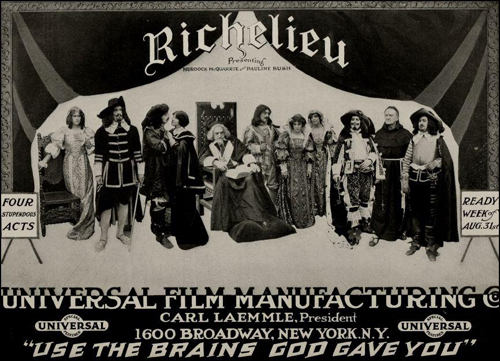
still_frame
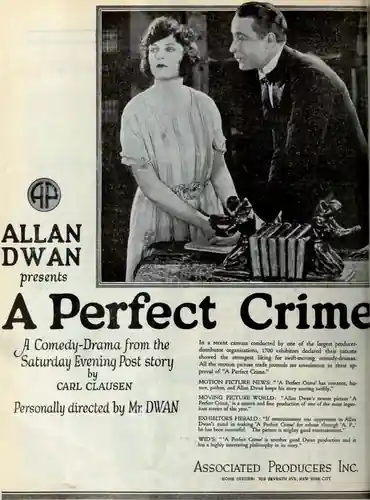
production_art
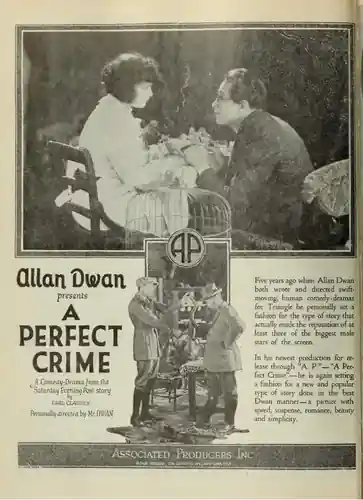
production_art
Comparing the cinematic DNA and archive impact of two defining moments in cult history.
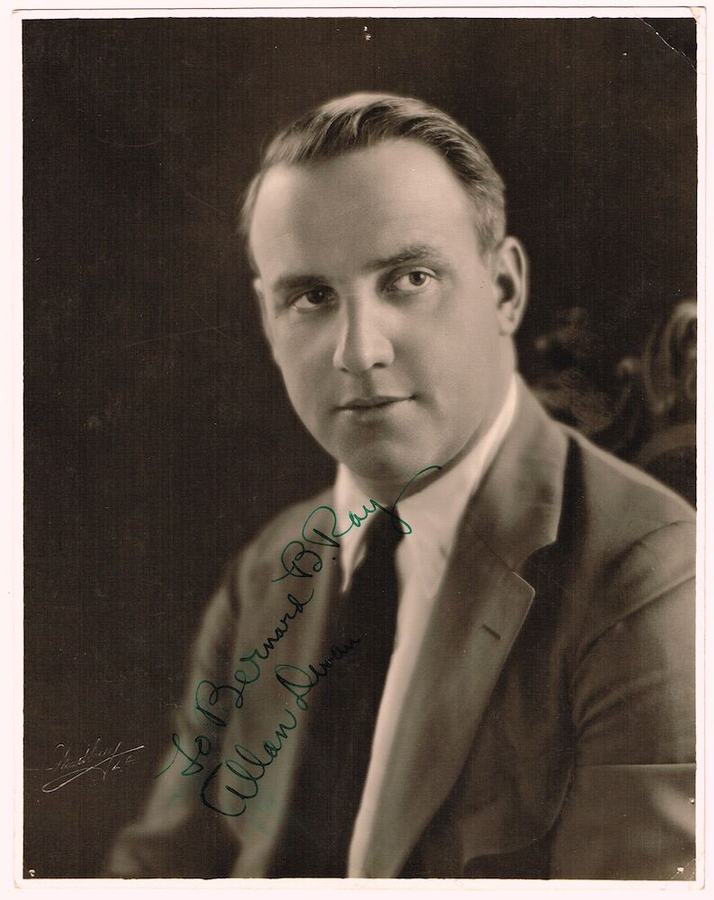
Allan Dwan
Allan Dwan
Community
Log in to comment.
" ::selection{background:#EAB308;color:#000;} A 1921 alley-cat of a film has slinked back into the lamplight, and it carries itself like it never forgot how to purr. A Perfect Crime lands on modern retinas with the crackle of nitrate reborn: Allan Dwan’s Manhattan fable, long buried beneath the sediment of Keystone slapstick and Swanson melodrama, now flickers in a 4K wash that makes every bead of desk-jockey sweat look like a topaz. The plot is a Möbius strip of moral bookkeeping: a mouse who ro..."
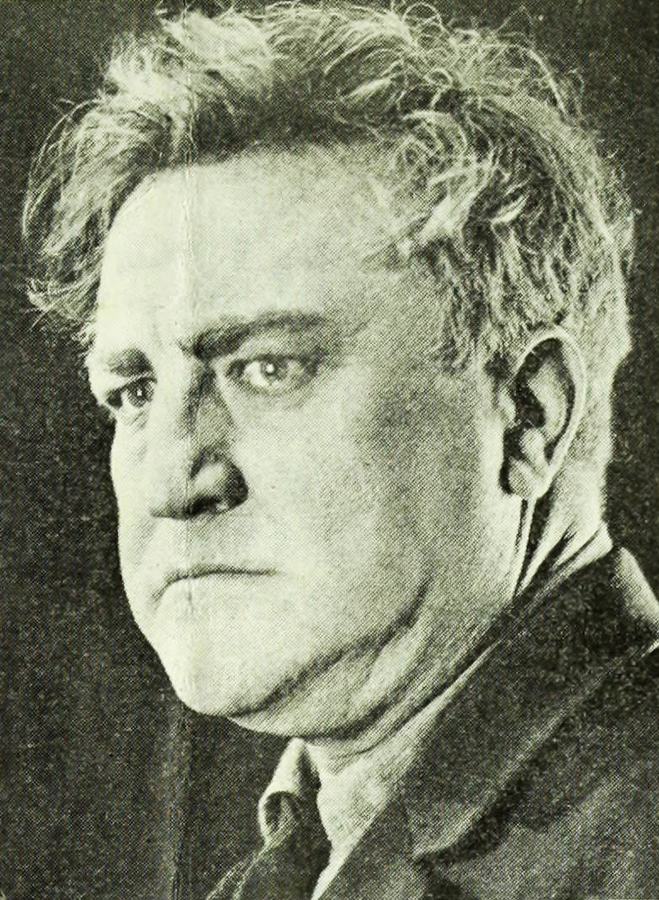
Stanton Heck
Allan Dwan, Carl Clausen, Lillian Ducey
United States
Deep dive into the cult classic
Discover similar cinematic experiences
A Directorial Spotlight on Allan Dwan