DbcultAccessing Vault...
Cult Review
Senior Film Conservator
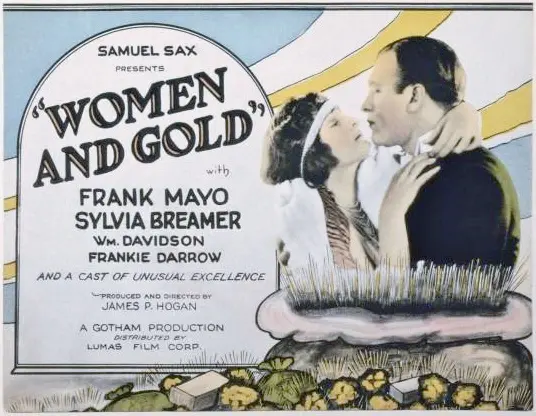
Ah, the silent era! A time when grand narratives unfolded across the silver screen with a raw, visceral power that dialogue-driven cinema often struggles to replicate. In this rich tapestry of early filmmaking, Women and Gold emerges as a compelling, if occasionally melodramatic, testament to the era's storytelling prowess. It’s a film that masterfully weaves together themes of marital discord, the seductive pull of material wealth, the cruel caprices of fate, and the enduring strength of human connection. More than just a simple plot, it’s a journey into the psychological landscapes of its characters, painted with broad strokes of emotion and destiny.
The film opens with Dan and Myra Barclay, portrayed with understated elegance by John T. Prince and Sylvia Breamer respectively, enjoying a seemingly idyllic vacation in Monaco. This initial tableau of Riviera glamour quickly dissolves, however, as Dan is abruptly summoned to oversee a gold mine in a remote corner of South America. It’s a swift, jarring transition that immediately establishes the narrative's central conflict: the clash between established comfort and the rugged demands of ambition. The move to a rustic, isolated village is particularly grating for Myra, who finds the monotony and lack of refinement utterly unbearable. Her discontent isn't merely a superficial complaint; it speaks to a deeper yearning for a life beyond the confines of her husband's singular focus on work. It's a sentiment not unfamiliar in cinematic portrayals of women from this period, often trapped by societal expectations and limited avenues for personal fulfillment. One might draw parallels to the protagonist's yearning for more
—

Editorial
Deciphering the legacy of transgressive cult cinema.
Community
Log in to comment.