DbcultAccessing Vault...
6.1/10
Senior Film Conservator
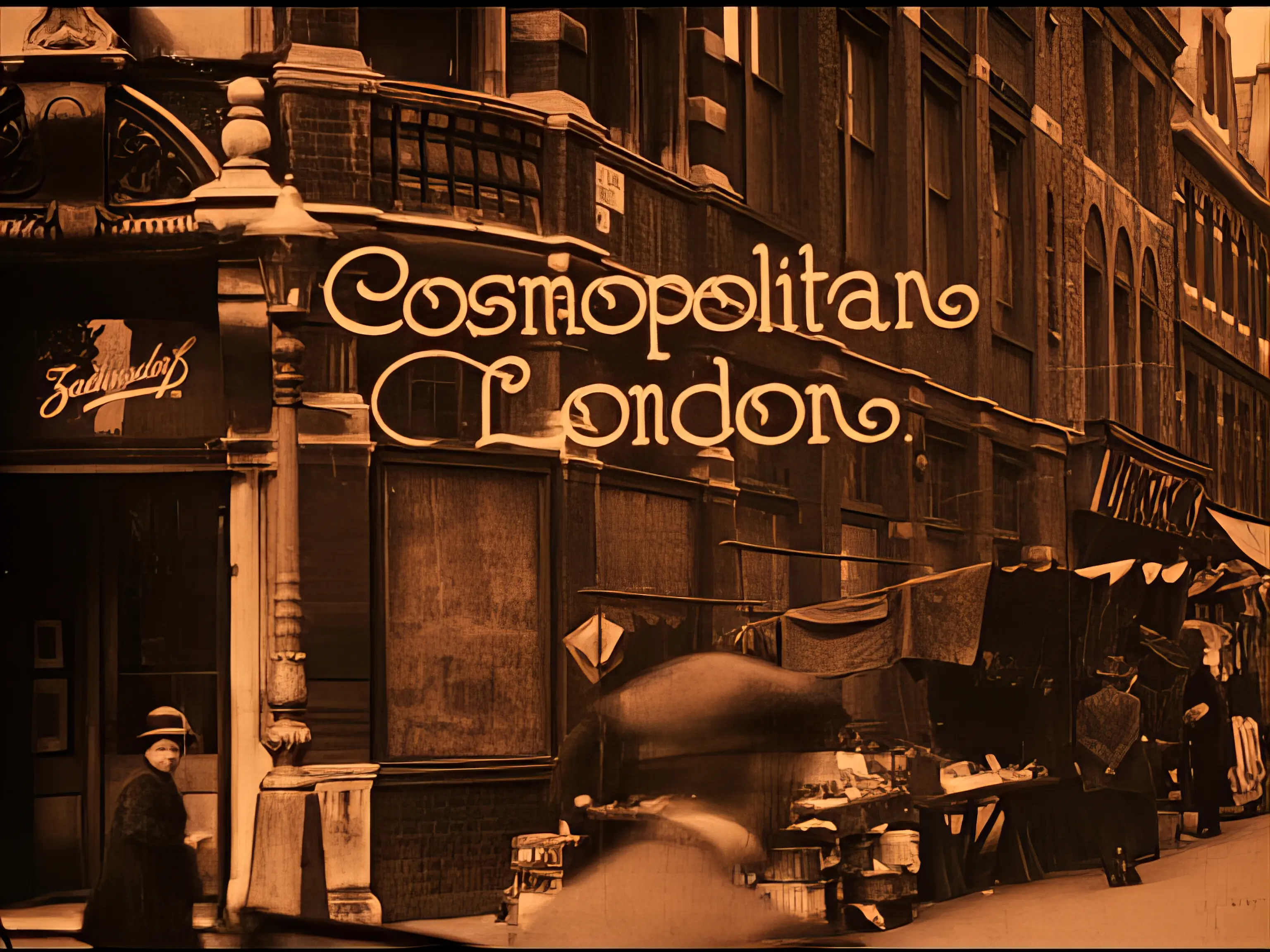
A definitive 6.1/10 rating for a film that redefined the boundaries of cult cinema. Wonderful London: Cosmopolitan London remains a cornerstone of transgressive art.
Ah, London. The very name evokes a thousand images, a symphony of history, innovation, and ceaseless human endeavor. But to truly capture its essence, to distill its teeming streets and monumental grandeur into a cohesive, compelling cinematic experience, is a feat few have managed with the artistry and foresight demonstrated in Wonderful London: Cosmopolitan London. This isn't merely a travelogue; it's a profound urban symphony, a meticulously crafted visual poem that transcends its documentary origins to become a timeless artifact of a city in perpetual motion. From the moment the film flickers to life, we are not just observers but participants in a grand, unfolding drama, the protagonist of which is London itself.
The directorial vision, largely attributed to the collaborative spirit embodied by figures like Frank Miller and Harry B. Parkinson, is nothing short of extraordinary for its era. They didn't just point a camera; they imbued it with a sense of wonder, a keen eye for the telling detail, and an almost prescient understanding of what would endure. The film opens with a dawn chorus, not of birdsong, but of the city's awakening – the gentle stirring of the Thames, the gradual illumination of its iconic bridges, each a steel sentinel guarding the flow of life and commerce. The Tower Bridge, in particular, becomes a character unto itself, a majestic structure that breathes and flexes with the rhythm of the city. This initial sequence sets a contemplative yet invigorating tone, drawing the viewer into a world where the monumental coexists harmoniously with the mundane.
What truly distinguishes Wonderful London from its contemporaries is its breathtaking scope and an almost anthropological curiosity. It doesn't shy away from the grandeur of Westminster or the regal solemnity of Buckingham Palace, yet it equally revels in the vibrant chaos of Piccadilly Circus, a swirling vortex of motorcars, omnibuses, and pedestrians, each contributing to a dynamic, ever-changing tableau. The camera work here is particularly commendable, demonstrating an agility that belies the technological limitations of the time. It weaves through crowds, tracks vehicles, and lingers on faces, creating a sense of intimacy amidst the sprawling urban landscape. This isn't a static postcard; it's a living, breathing portrait.
The film's exploration of London's 'cosmopolitan' nature is not just in its depiction of diverse architecture, but in its subtle portrayal of the city's inhabitants. We see the bowler-hatted financiers striding purposefully through the City, the elegant ladies promenading in Regent Street, the boisterous vendors in Covent Garden, and the hardworking dockers along the Thames. Each figure, however fleetingly captured, contributes to the rich tapestry of London life, underscoring the city's role as a melting pot of cultures, classes, and aspirations. This human element, often overlooked in more utilitarian documentaries, is given profound respect here, elevating the film from mere observation to an empathetic study of urban existence. One might draw a curious parallel to something like Pitfalls of a Big City, not in its narrative, but in its implicit understanding that a city's true character is found in the lives of its people, even if Wonderful London chooses to focus on the celebratory rather than the perilous aspects.
The visual storytelling is consistently inventive. There are moments of sheer poetry, such as the quiet contemplation in Hyde Park, where the city's roar recedes to a distant hum, allowing for moments of pastoral serenity. These contrasts are crucial, providing rhythmic shifts that prevent the film from becoming monotonous. The juxtaposition of the bustling markets with the serene parks, or the industrial might of the docks with the historical gravitas of its monuments, creates a powerful sense of the city's multifaceted identity. It’s a delicate balance, expertly maintained, that showcases the directorial team's innate understanding of visual pacing and thematic depth. The film serves as an invaluable historical document, preserving the sights and sounds (imagined, of course, in the silent era) of a London that, while recognizable, has also irrevocably changed. It offers a window into the daily rituals, the sartorial choices, and the technological advancements of an age long past, making it a treasure trove for historians and urban anthropologists alike.
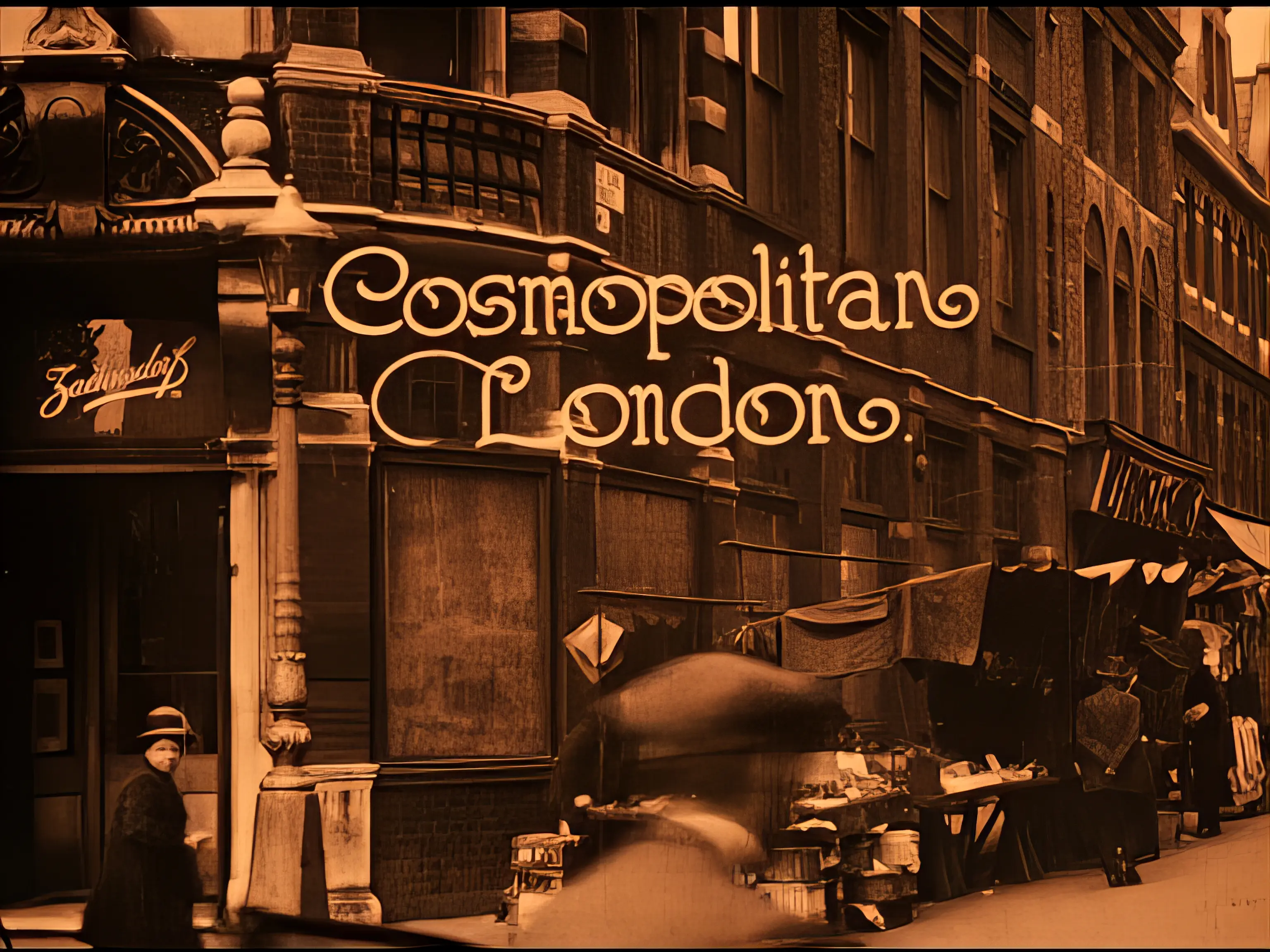
The technical achievements of Wonderful London are also worth noting. For a film of its period, the clarity of the cinematography, the stability of the shots, and the often complex movements of the camera are genuinely impressive. This wasn't merely a static recording; it was a concerted effort to create a dynamic and immersive experience. One can only imagine the logistical challenges involved in filming such a vast, sprawling subject, navigating traffic, crowds, and the vagaries of London weather. The dedication to capturing the city's true spirit, rather than just its most famous landmarks, speaks volumes about the filmmakers' artistic integrity and their commitment to authenticity. In this regard, it shares a certain spirit of ambitious, wide-ranging documentation with films like Nankyoku tanken katsudô shashin, both striving to capture a unique environment in its entirety, albeit one a frozen wilderness and the other a bustling metropolis.
The final act, as the city transitions from the vibrant chaos of day to the enchanting glow of night, is particularly captivating. The myriad lights piercing the encroaching darkness transform the metropolis into a glittering, almost magical entity. This nocturnal panorama is not just aesthetically pleasing; it serves as a powerful metaphor for London's enduring vitality, its ability to reinvent itself, and its inherent beauty that shines through even in the deepest shadows. It’s a testament to the city's intricate, beautiful contradictions, its capacity to be both ancient and modern, chaotic and serene, all at once. The film doesn't offer a definitive conclusion, but rather a sense of continuous flow, of a city that lives and breathes, eternally regenerating.
In an era where narrative features like Crime and Punishment or O Segredo do Corcunda were captivating audiences with their intricate plots and dramatic character arcs, Wonderful London: Cosmopolitan London chose a different path. It opted for the grand, sprawling narrative of a city itself, finding drama in the everyday rhythms and the sheer spectacle of urban existence. This choice was both bold and prescient, cementing its place not just as a historical document, but as a seminal work in the nascent genre of urban ethnography on film. Its influence, though perhaps subtle, can be traced through countless subsequent documentaries and even fictional works that seek to capture the spirit of a place.
One could argue that the film's lack of a conventional plot is its greatest strength. It allows the viewer to project their own experiences and interpretations onto the screen, to wander alongside the camera, discovering London anew. It's an immersive experience that encourages reflection, inviting us to ponder the passage of time, the evolution of urban spaces, and the enduring human spirit that animates such a grand metropolis. The film implicitly asks: What makes a city truly 'cosmopolitan'? And its answer is a multifaceted, visually stunning exploration of diversity, dynamism, and shared experience.
The enduring appeal of Wonderful London lies in its ability to transport us not just to a different time, but to a different way of seeing. It reminds us that even the most familiar landscapes hold untold stories, that beauty can be found in the mundane, and that the pulse of a city is as complex and fascinating as any individual character. It’s a film that demands to be revisited, each viewing revealing new nuances, new details, new layers of appreciation for both the city it depicts and the cinematic craft that brought it to life. This is not merely a historical curiosity; it is a vibrant, living testament to the power of film to capture and preserve the ephemeral beauty of existence. It stands as a profound reminder that some of the most compelling narratives are those found not in fiction, but in the observation of the world around us, rendered with such care and vision.
In conclusion, Wonderful London: Cosmopolitan London is more than just a film; it is a cinematic landmark. It’s a meticulous, heartfelt, and ultimately triumphant portrayal of one of the world's greatest cities, a visual feast that continues to resonate with its charm, its historical significance, and its sheer artistic merit. For anyone with an interest in early cinema, urban history, or simply the timeless allure of London, this film is an essential, enriching experience. It's a journey back in time, yet one that feels remarkably contemporary in its observational power and its celebration of the human spirit within the urban fabric. Its legacy is not just in its preservation of a bygone era, but in its demonstration of how film can elevate simple observation into a profound artistic statement, a sentiment that even grand narratives like Die Herrin der Welt 2. Teil, with their global ambitions, implicitly acknowledge in their quest for visual grandeur. This film, however, finds its grandeur in the everyday, the truly cosmopolitan.
IMDb 6.6
1927
Community
Log in to comment.